


Spelling Bee Pangram Today – No Spoilers Hint First
Introduction
You open the puzzle, you've got seven letters staring back at you, and somewhere in that honeycomb is one word that unlocks a chunk of your score in a single shot. That's the pull of the spelling bee pangram today, and honestly, it's the reason a lot of people keep coming back to this puzzle every single morning. Before anyone throws the answer at you, let's talk through what a pangram actually is, why it matters so much for your score, and how to hunt one down without anyone spoiling the fun.
This isn't a "here's the word, goodbye" kind of page. It's meant to walk you through the logic first, because figuring it out yourself is half the satisfaction. If you get stuck and want the full breakdown, the answers are waiting further down.
What Makes a Pangram Different From Any Other Word
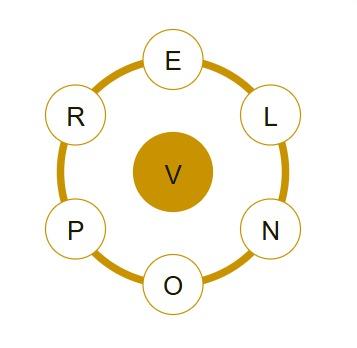
A pangram sounds like a fancy term, but the idea behind it is pretty simple once it clicks. In the New York Times Spelling Bee, you're given seven letters arranged in a honeycomb, and one letter sits in the center and has to appear in every word you build. A pangram is the one word (sometimes there are two on a rare day) that manages to use all seven of those letters, not just the center one, at least once each.
It doesn't have to use each letter exactly once — repeats are fine — but it can't skip a single letter from the set. That's what separates it from a regular long word. You could build an eight-letter word using six of the seven letters and it still wouldn't count as a pangram. It has to touch every letter in the puzzle at least one time.
Why Everyone Chases It So Hard
Here's the part that actually matters if you care about your rank. Finding the pangram doesn't just add a nice bonus, it adds seven flat points on top of whatever the word is already worth by length. So if the pangram happens to be, say, an eight-letter word, you're not just getting eight points, you're getting eight plus seven more.
That's fifteen points from a single word, and on plenty of days that swings you from "Great" straight into "Genius" territory. Regular scoring works differently. A four-letter word earns exactly one point, and everything five letters or longer scores points equal to how many letters it has.
So a five-letter word gets five points, a six-letter word gets six, and so on. There's no bonus multiplier anywhere else in the puzzle. The pangram is the only word type carrying that extra seven-point kicker, which is exactly why players hunt for it before anything else once they sit down with a fresh puzzle.
How to Actually Hunt for It Yourself
Chasing the pangram without a spoiler is a skill, and there's a method to it that works better than just staring at the letters hoping something jumps out. Since it has to contain the center letter plus every other letter on the honeycomb, start by writing all seven letters down somewhere you can see them clearly. Then try combining the less common letters first, since those are usually what trips people up and what makes a word feel unlikely at first glance.
A trick that helps a lot of solvers: look for common suffixes and prefixes that stretch a word out naturally, things like "-tion," "-ing," "-ness," or "anti-." Longer natural word patterns in English tend to sneak in extra letters without you forcing it. Also try rearranging the letters mentally into syllables instead of reading them left to right, because the honeycomb layout doesn't hint at word order at all, it's just a random cluster.
If nothing's clicking after a genuine attempt, that's completely normal. Some days the pangram is an obscure word most people wouldn't use in conversation, and other days it's something so ordinary you kick yourself for missing it. Either way is fair game.
Today's Full Word List and Pangram
For Saturday, August 29, 2026, today's letters are A, D, H, I, N, O, and T, with N sitting as the required center letter. There are 42 valid answers total this round, spread across four-letter words all the way up to one impressive seven-letter entry, and the maximum possible score sits at 184 points.
If you want the complete breakdown without digging through it yourself, the site Today Spelling Bee Answers keeps the full list updated daily, including the pangram, right alongside hints for people who want a nudge instead of the whole answer. It also archives yesterday's puzzle in case you missed a word and want to know what it was.
Quick heads-up if you want to keep solving on your own a bit longer: the next paragraph names the actual pangram, so skip ahead to the FAQ section if you're not ready yet.
Today's pangram is nationhood, an eight-letter word worth seventeen points once the bonus is added in. It uses every one of the seven letters in the puzzle, including the required N in the center, and it's the kind of word that feels obvious in hindsight but easy to miss while you're staring at scattered letters.
Frequently Asked Questions
What exactly counts as a pangram in Spelling Bee?
It's a word that uses all seven letters of the day's puzzle at least once, including the required center letter. Repeated letters within the word are totally fine. Most days there's just one pangram, though every so often a puzzle hides two.
How much is the pangram actually worth?
You get the normal points for the word's length, plus a flat seven-point bonus on top. An eight-letter pangram, for example, earns fifteen points instead of just eight.
Does the puzzle always have a pangram?
Yes, every official NYT Spelling Bee puzzle includes at least one. It's built into the daily letter set on purpose, so there's always a target worth hunting for.
What's the difference between Genius and Queen Bee?
Genius is a strong milestone rank based on reaching a set percentage of the maximum score. Queen Bee, on the other hand, means you found every single valid word in the puzzle, including the pangram. It's the full clear.
When do new letters and a new pangram show up?
The puzzle resets daily at 3:00 AM Eastern Time with a brand-new letter set and a fresh pangram to track down.
Can I play without a subscription?
Playing directly on the official NYT site requires a Games subscription. That said, checking today's answers, hints, and pangram on a resource page doesn't require one.
Conclusion
Chasing the pangram is really what turns Spelling Bee from a casual time-killer into something you actually think about during your coffee break. Once you understand that it's just a word using all seven letters, and that it's worth hunting down first because of the bonus points, the whole puzzle starts making a lot more sense strategically.
Some days you'll spot it in ten seconds. Other days you'll need a nudge, and that's fine too. Either way, now you know exactly what you're looking for and why it's worth the extra few minutes of squinting at those letters before you give up and check the answer.

 English
 Arabic
 French
 Spanish
 Portuguese
 Deutsch
 Turkish
 Dutch
Dutch
 Italiano
 Russian
 Portuguese (Brazil)
 Greek
Greek
 Bengali