


Sunaura Solar Complete Guide to Residential Solar Solutions in Dallas
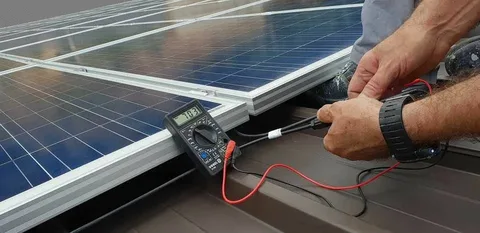
As interest in renewable energy continues to grow, more homeowners are exploring solar power as an option for their properties. For Dallas homeowners, rooftop solar can be an appealing way to make better use of the area's abundant sunshine while investing in a long-term home improvement.
However, choosing solar panels is only the beginning. Homeowners need to consider roof condition, system design, installation quality, ongoing maintenance, weather exposure, and future roofing projects. Having a professional solar company available for different stages of ownership can make the process much easier.
Sunaura Solar provides solar services designed to help homeowners with installation, maintenance, repairs, removal, and reinstallation. Whether a homeowner is considering solar for the first time or already has a system installed, understanding the fundamentals of residential solar can help with better planning and long-term care.
Understanding Residential Solar
A residential solar system uses photovoltaic panels to convert sunlight into electricity. The electricity generated by the panels can then be processed through the system's inverter and used by the home's electrical system.
A typical rooftop solar system includes several components:
-
Solar panels
-
Mounting equipment
-
Inverter
-
Electrical wiring
-
Monitoring equipment
Each component has an important function. The panels capture sunlight, the inverter manages the generated electricity, the mounting system secures the panels, and monitoring equipment can help homeowners track system performance.
Because these components work together, professional installation is important.
Why Dallas Homeowners Are Considering Solar
Dallas receives substantial sunshine throughout the year, making solar an option worth exploring for many homeowners.
Solar can also complement broader home improvement goals. Homeowners who are interested in renewable energy may see a rooftop solar system as part of a long-term strategy for their property.
However, sunlight alone does not determine whether a particular home is suitable for solar.
Roof orientation, shading, available space, roof condition, and household energy usage should all be considered before installation.
Evaluate the Roof Before Installing Solar
The roof is one of the most important parts of a rooftop solar project.
Solar panels can remain installed for many years, so homeowners should make sure the roof is in suitable condition before moving forward.
A professional evaluation can consider:
-
Roof age
-
Roofing material
-
Existing damage
-
Leaks
-
Structural condition
-
Previous repairs
-
Expected remaining lifespan
If the roof is already approaching the need for replacement, completing the roofing project first may be worth considering.
Installing solar on an aging roof could otherwise mean removing the panels later to perform major roofing work.
Consider Household Energy Usage
Solar planning should also take household electricity consumption into account.
Different homes have different energy requirements. Air conditioning, heating, appliances, home size, occupancy, and daily habits can all influence electricity use.
Reviewing previous electricity bills can provide useful information about typical consumption.
A professional solar provider can use this information when discussing system design and available options.
Evaluate Sunlight and Shading
Solar panels need sunlight to generate electricity, so the amount of available sunlight is an important part of system planning.
Trees, neighboring buildings, chimneys, and other structures can create shade across portions of a roof.
A professional evaluation can identify areas that may receive better sunlight and help determine appropriate panel placement.
This process can make the most effective use of available roof space.
Professional Solar Panel Installation
Once the property has been evaluated, installation can begin.
Professional residential solar panel installation services Dallas TX can help homeowners develop a system based on the property's characteristics and energy requirements.
Professional installers can handle panel placement, mounting equipment, electrical connections, inverter installation, and system monitoring components.
A well-organized installation can also make future service easier.
Choosing the Right Panel Placement
Panel placement should take both current and future needs into consideration.
Professional roof solar panel installation Dallas TX can evaluate the roof's orientation, angle, shading, usable space, and mounting requirements.
Installers should also consider future maintenance access.
A solar system is a long-term installation, so homeowners should think about how technicians will access and service the equipment if necessary.
Why Installation Quality Matters
Solar panels are exposed to the elements every day. The mounting system, wiring, and other components must be installed appropriately for long-term outdoor operation.
Professional installation can help reduce potential issues associated with poor mounting, improper connections, or inadequate system configuration.
Homeowners should look for an experienced licensed solar contractor when selecting a provider.
Monitor Solar Production
Once the system is operational, homeowners should monitor its performance.
Many systems provide production information through monitoring technology. This allows homeowners to understand how much energy their system is generating and recognize unexpected changes.
A temporary change in production does not necessarily indicate equipment failure. Weather, shading, and other conditions can affect output.
However, a persistent or significant change may justify professional inspection.
Recognizing Potential Solar Problems
Homeowners should pay attention to unusual system behavior.
Possible warning signs include:
-
Unexpected production decreases
-
Monitoring alerts
-
Inverter warnings
-
Visible equipment damage
-
Electrical concerns
-
Unexpected shutdowns
If a problem occurs, professional troubleshooting can help identify the cause.
Homeowners should avoid attempting complex rooftop or electrical repairs without appropriate qualifications and safety equipment.
Routine Solar Maintenance
Solar panels are designed for outdoor conditions, but they still benefit from professional attention.
Dust, debris, storms, high winds, and extreme temperatures can affect equipment over time.
Homeowners searching for solar panel repair and maintenance near me may consider professional inspections when their system shows unusual behavior or when maintenance is needed.
A professional service visit may involve reviewing the panels, mounting system, inverter, wiring, and monitoring equipment.
Preparing for Dallas Weather
Weather conditions should be part of every solar maintenance plan.
Dallas can experience high summer temperatures, thunderstorms, strong winds, and hail. Severe weather can potentially affect rooftop solar equipment.
After a major storm, homeowners can monitor system performance and look for obvious signs of damage from the ground.
If the system suddenly produces less energy or shows an alert, professional inspection may be appropriate.
Maintaining the Roof Under Your Solar Panels
Installing solar does not eliminate the need for roof maintenance.
Homeowners should continue paying attention to leaks, aging materials, storm damage, and other roofing concerns.
When significant roof work is required, the solar system may need to be temporarily removed.
Planning this process ahead of time can help avoid unnecessary delays.
Solar Panel Removal for Roof Replacement
One of the most common reasons solar panels need to be removed is roof replacement.
Roofing professionals may need access to areas beneath the solar panels and mounting equipment.
Professional solar panel removal for roof replacement allows the system to be temporarily removed so the roofing project can proceed.
Before removal, the solar contractor can document the existing system and establish a plan for protecting the equipment.
Documenting the Solar System
Proper documentation can make future reinstallation easier.
Professionals may record:
-
Panel locations
-
Mounting configuration
-
Wiring layout
-
Inverter information
-
Equipment specifications
-
System design
Homeowners should keep these records with their other solar documents.
Detailed records can be particularly useful when a system needs to be removed and restored years after the original installation.
Protecting Solar Equipment During Construction
Once solar equipment has been removed, it should be handled and stored carefully.
Roofing and construction projects can involve ladders, tools, materials, dust, debris, and frequent activity around the property.
Professional solar technicians can help protect the equipment while the construction work takes place.
Proper handling can help prepare the components for reinstallation after the project is finished.
Understanding Solar Detach and Reset
Roof replacement is not the only situation that may require temporary solar removal.
Homeowners may need access to the roof for repairs, remodeling, additions, or other construction projects.
Solar panel detach and reset for reinstall Dallas services can provide a structured process for temporarily removing and restoring the solar system.
The process may include system documentation, equipment removal, safe storage, reinstallation, and performance testing.
Coordinating With Other Contractors
Solar projects that involve roofing or construction require good communication.
The solar contractor should know when the other work is scheduled, while the roofing or construction company should know when the solar system will be removed.
A coordinated schedule can help prevent delays.
Ideally, homeowners should contact their solar provider well before the construction project begins.
Reinstalling Solar Panels
After the roof or construction project is complete, the solar system can be restored.
Professional solar panel removal and reinstall Dallas TX services can help reinstall the panels and associated equipment.
Before reinstallation, the completed roof should be reviewed to make sure the installation area is ready.
The original system documentation can then provide a useful reference for restoring the equipment.
Testing the System After Reinstallation
The system should be reviewed after reinstallation.
Professionals can check relevant components and connections before the system returns to normal operation.
Homeowners should also monitor production after the system is restored.
If energy output does not appear normal, professional troubleshooting can help identify the issue.
Keep Your Solar Records Organized
Good recordkeeping can make future service more efficient.
Homeowners should keep information related to:
-
Installation
-
Panel specifications
-
Inverter details
-
System layout
-
Maintenance
-
Repairs
-
Roof work
-
Solar removal
-
Reinstallation
These records can help future technicians understand the system's history.
Planning for Long-Term Solar Ownership
Solar should be viewed as a long-term home investment rather than a one-time project.
Homeowners should plan for:
-
Initial system installation
-
Regular performance monitoring
-
Professional maintenance
-
Potential repairs
-
Severe weather inspections
-
Roof maintenance
-
Temporary solar removal when necessary
-
Reinstallation after construction
Thinking about these stages in advance can make solar ownership easier to manage.
Why Comprehensive Solar Services Are Valuable
A homeowner may initially need only installation, but future needs can change.
A roof may eventually require replacement. A storm may result in equipment damage. A remodeling project may require temporary panel removal.
Working with a solar company that provides multiple services can make these situations easier to coordinate.
Sunaura Solar offers support for different stages of residential solar ownership, including installation, maintenance, repair, removal, and reinstallation.
Why Choose Sunaura Solar?
For homeowners considering solar, choosing the right provider is an important decision.
Sunaura Solar can support homeowners with a range of solar-related services. This can be particularly useful for property owners who want ongoing assistance rather than installation alone.
Homeowners can consider a provider's experience with:
-
Residential solar installation
-
Roof-mounted systems
-
Maintenance
-
Repairs
-
Solar removal
-
Detach and reset services
-
Reinstallation
-
System testing
Having these capabilities available can make long-term solar management more convenient.
Conclusion
Residential solar can be an important addition to a Dallas home, but successful solar ownership requires planning beyond the initial installation. Homeowners should evaluate their roofs, understand their energy usage, consider sunlight and shading, and work with experienced professionals.
Professional residential solar panel installation services Dallas TX can help homeowners establish a system suited to their property, while roof solar panel installation Dallas TX can support appropriate rooftop placement and installation.
Once the system is operational, regular monitoring and solar panel repair and maintenance near me can help homeowners stay informed about system condition.
Homeowners should also plan for future roof projects. Professional solar panel removal for roof replacement can temporarily remove equipment when roofing work requires access to the roof. For remodeling and other construction projects, solar panel detach and reset for reinstall Dallas can provide a practical removal and restoration solution.
After construction, solar panel removal and reinstall Dallas TX can help return the system to service and verify its operation.
By choosing an experienced licensed solar contractor, maintaining accurate records, monitoring system performance, and planning for future property projects, Dallas homeowners can take a proactive approach to solar ownership.
Sunaura Solar provides comprehensive solar services designed to support homeowners through installation, maintenance, repairs, removal, detach and reset, and reinstallation. With professional support and thoughtful long-term planning, homeowners can better manage their solar systems and prepare for the changing needs of their properties.

 English
 Arabic
 French
 Spanish
 Portuguese
 Deutsch
 Turkish
 Dutch
Dutch
 Italiano
 Russian
 Romaian
 Greek
Greek
 Bengali