


Sign Works: What to Expect From 3M Certified Vehicle Wrap Installers
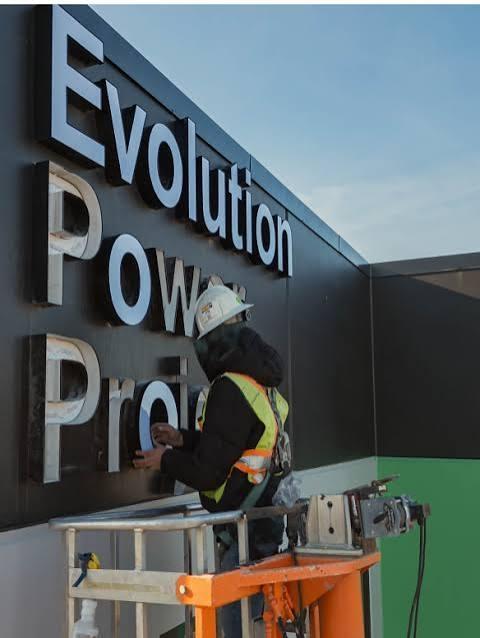
Vehicle wraps can give businesses a distinctive way to present their brand across cars, vans, trucks, and commercial fleets. Because a wrap covers substantial portions of a vehicle, the quality of the installation can have a major effect on the final appearance. Sign Works helps businesses approach vehicle wrapping with attention to design, preparation, application, and long-term care.
When considering 3M certified vehicle wrap installers, businesses are often looking for professionals who understand the technical requirements of vehicle wrap application. Certification can be one factor to consider when evaluating an installer, but businesses should also examine experience, previous projects, materials, preparation methods, and the overall quality of service before making a decision.
Understanding Vehicle Wrap Installation
A vehicle wrap uses specialized graphic material designed to conform to automotive surfaces. Unlike a simple flat decal, a wrap may need to cover curved panels, recessed areas, edges, and other complex parts of a vehicle.
The installation process requires careful planning and accurate application. A professional installer works with the vehicle's shape rather than treating every panel as a flat surface.
Why Installer Experience Matters
Vehicle wrapping involves technical details that can affect the finished appearance. Installers need to understand how material behaves around curves, edges, seams, handles, mirrors, and other components.
Experience can also help installers recognize potential challenges before the application begins. Reviewing previous wrap projects can give businesses an idea of an installer's workmanship and familiarity with commercial vehicles.
What Certification Can Indicate
Businesses searching for 3M certified vehicle wrap installers may be interested in providers who have demonstrated knowledge of specific vehicle graphics installation practices associated with 3M's certification programs.
Certification can provide an additional point of reference when comparing providers. However, it should be considered alongside practical experience, portfolio quality, communication, and the provider's ability to meet the specific requirements of a project.
Begin With a Professional Design
A successful wrap starts with a design that works with the vehicle's dimensions. Logos, photographs, patterns, text, and other branding elements need to be positioned carefully so they remain visually effective across different panels.
Designers should also account for doors, handles, windows, body lines, and other features. Important information should not be placed where it could become distorted or hidden.
Inspect the Vehicle Before Wrapping
Vehicle condition can influence the wrapping process. Before installation, the surface should be inspected for damaged paint, scratches, dents, previous repairs, old graphics, or other conditions that could affect the application.
A professional installer can identify areas that may require attention before the wrap is applied. Discussing the vehicle's condition early can help establish realistic expectations for the finished result.
Prepare the Surface Carefully
Cleanliness is essential for proper application. Dirt, grease, wax, dust, and other contaminants can interfere with the material's ability to adhere to the vehicle.
Professional preparation involves more than simply washing the vehicle. The surface needs to be suitable for the application, with attention given to areas such as edges, seams, and other locations where contaminants may collect.
Plan the Application
A full vehicle wrap may involve several pieces of material rather than one continuous sheet. Installers need to plan panel transitions and graphic alignment carefully.
This is especially important when the design contains patterns, lines, photographs, or other elements that need to continue from one panel to another. Careful planning can help create a more cohesive finished appearance.
Expect Attention to Vehicle Contours
Modern vehicles contain many complex shapes. Curved bumpers, recessed panels, mirrors, door handles, and other features can make wrapping technically demanding.
Professional installers use appropriate application techniques to work around these areas. The goal is to create an even finish while keeping the design aligned with the vehicle.
Material Selection Matters
The material chosen for a wrap should match the vehicle and its intended use. Commercial vehicles may experience frequent road exposure, sunlight, changing temperatures, weather, and regular cleaning.
Businesses should discuss material options with the installer and consider expected use, desired appearance, maintenance requirements, and anticipated lifespan.
3M Certified Vehicle Wrap Installers for Business Fleets
Companies with multiple vehicles can benefit from consistent installation standards. A fleet may include different vehicle models, each with unique body dimensions and contours.
A professional installer can adapt the design to different vehicles while preserving important branding elements. Consistent placement and application can help create a unified fleet appearance.
Pay Attention to Finish Quality
The final result should be evaluated carefully. Businesses can look for smooth surfaces, clean edges, consistent alignment, and appropriate treatment around difficult areas.
A professional wrap should look integrated with the vehicle rather than appearing uneven or poorly fitted. Attention to finishing details can make a significant difference to the overall presentation.
Understand Care Requirements
Vehicle wraps need appropriate care to preserve their appearance. Businesses should ask about recommended cleaning methods, products, and practices.
Harsh cleaning techniques or unsuitable chemicals may affect the graphic material. Following professional care guidance can help protect the wrap and maintain its visual quality.
Consider Future Removal
Businesses may eventually update their branding, sell a vehicle, or replace an existing wrap. It can therefore be useful to understand the expected removal process before installation.
The condition and type of the vehicle's original finish may also influence future removal. Discussing these considerations with the installer can help businesses plan for the full life cycle of the wrap.
Compare Providers Before Choosing
Certification is useful information, but it should not be the only selection criterion. Businesses can compare portfolios, relevant experience, design support, material knowledge, installation practices, project communication, and aftercare guidance.
A provider that understands the company's branding goals and vehicle requirements may be better positioned to deliver a successful project.
Work With Sign Works
Sign Works can help businesses approach vehicle wrapping as a complete branding project. From initial design considerations to vehicle preparation, material selection, application, and maintenance guidance, each stage can influence the finished result.
Whether a company needs one wrapped vehicle or consistent graphics across a fleet, careful planning can help ensure that the final appearance reflects the business professionally.
Final Thoughts
A vehicle wrap represents a significant visual investment, so choosing the right installer matters. Businesses should look for technical knowledge, relevant experience, quality workmanship, suitable materials, and a clear installation process.
When evaluating 3M certified vehicle wrap installers, consider certification as one part of the overall decision rather than the sole measure of quality. With thoughtful design, careful preparation, precise application, and proper maintenance, a professionally installed vehicle wrap can provide a strong and recognizable representation of a business on the road.

 English
 Arabic
 French
 Portuguese
 Deutsch
 Turkish
 Dutch
Dutch
 Italiano
 Russian
 Romaian
 Portuguese (Brazil)
 Greek
Greek
 Bengali