


How Can Mansen Wholesale Inflatable Tent Support Different Camping Markets
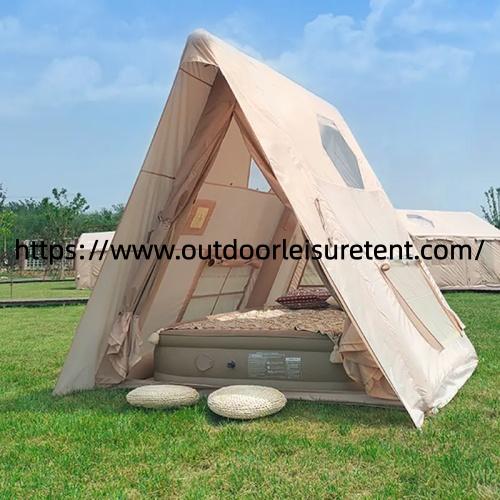
Wholesale Inflatable Tent selection deserves careful attention when buyers are building an outdoor product range for camping, glamping, events, family trips, or other recreational applications. The appearance of a shelter may attract attention, but practical details such as fabric, air beam construction, dimensions, setup method, waterproofing, and packing can have a greater effect on purchasing decisions. Current B2B buying guides also place strong attention on construction type, fabric specifications, waterproof ratings, quantity planning, and market requirements.
The first point to check is the intended application. A shelter designed for weekend family camping may have different requirements from one intended for a glamping site or outdoor event. Buyers should consider sleeping capacity, interior layout, entrance design, ventilation, storage space, and packed dimensions. Starting with the customer rather than the catalog makes it easier to select a configuration that fits the actual market.
Material information should also be clearly documented. Buyers can ask about the fabric composition, fabric weight, coating, air tube material, floor construction, and seam treatment. These specifications provide a more useful basis for comparison than general descriptions. For example, current sourcing guides commonly compare Oxford fabric and PVC based on weight, waterproofing, cost, and intended application.
Air beam construction deserves a close inspection because it replaces the traditional rigid pole structure. Buyers should ask about valve design, pressure requirements, beam layout, connection points, and repair options. It is also useful to confirm whether the pump is included and whether the pump specification matches the product. A recent air beam specification guide recommends checking air beam layout, valve access, pressure behavior, and repair support before placing an order.
Seams are another area that should not be overlooked. A sample inspection can include the connection between the fabric panels, air chambers, floor, doors, windows, and other stress points. Buyers can also ask which joining method is used and how production quality is checked. These details can provide useful information about how the product has been constructed before a larger quantity is approved.
Water resistance should be considered together with the intended climate. Buyers supplying customers in areas with frequent rain may need different specifications from those serving dry camping destinations. Instead of relying on a general waterproof claim, ask for the relevant fabric rating, floor rating, coating information, and seam treatment. Current B2B sourcing material recommends recording fabric denier, waterproof rating, seam construction, packed size, weight, pump details, and applicable certifications in the product specification.
Size is equally important. A larger interior may be attractive for family and glamping applications, but it can also affect packed volume, shipping arrangements, storage space, and retail positioning. Buyers should compare the open dimensions with the packed dimensions and weight. This gives purchasing teams a better idea of transportation and warehouse requirements before deciding on a quantity.
Accessories can influence the customer experience as well. Pumps, repair kits, storage bags, guy lines, pegs, curtains, floor coverings, and other components should be listed clearly. Buyers should confirm which items are included as standard and which can be added according to market requirements. This is particularly useful for distributors creating several product packages at different price points.
Customization can be valuable for outdoor brands that want a product range connected with their own identity. Possible requests may include fabric colors, printed logos, labels, packaging, manuals, accessory combinations, or changes to selected dimensions. These details should be discussed during the sampling stage so the manufacturer can confirm production requirements and applicable quantities before mass production begins.
Packaging should also be part of the purchasing conversation. An inflatable shelter may include several components, so organized packing can make warehouse handling and distribution easier. Buyers can request carton dimensions, gross weight, accessory placement, shipping marks, and loading information. This data can help calculate storage requirements and transportation costs more accurately.
Mansen provides outdoor camping products for distributors and brands that need practical configurations for different usage scenarios. Product selection can be discussed around market positioning, required specifications, customization needs, and order quantities. This approach gives buyers an opportunity to shape their product range around real customer requirements rather than simply selecting from a standard catalog.
Before confirming an order, buyers can create a simple checklist covering material, air beam design, dimensions, waterproofing, accessories, sample approval, packaging, customization, inspection, and shipping details. Comparing suppliers with the same checklist makes purchasing discussions easier and helps identify missing information early. It can also create a clearer reference for future repeat orders.
A thoughtful purchasing process does not need to be complicated. The key is to ask specific questions and request measurable product information before making a decision. For outdoor brands and distributors preparing a new camping range, Mansen can provide product options and discuss configurations according to different market requirements. Available outdoor camping products can be reviewed at https://www.outdoorleisuretent.com/ when planning the next product selection.

 Arabic
 French
 Spanish
 Portuguese
 Deutsch
 Turkish
 Dutch
Dutch
 Italiano
 Russian
 Romaian
 Portuguese (Brazil)
 Greek
Greek
 Bengali