


Dark Circle Treatment in Jeddah: How Modern Treatments Can Refresh the Eye Area
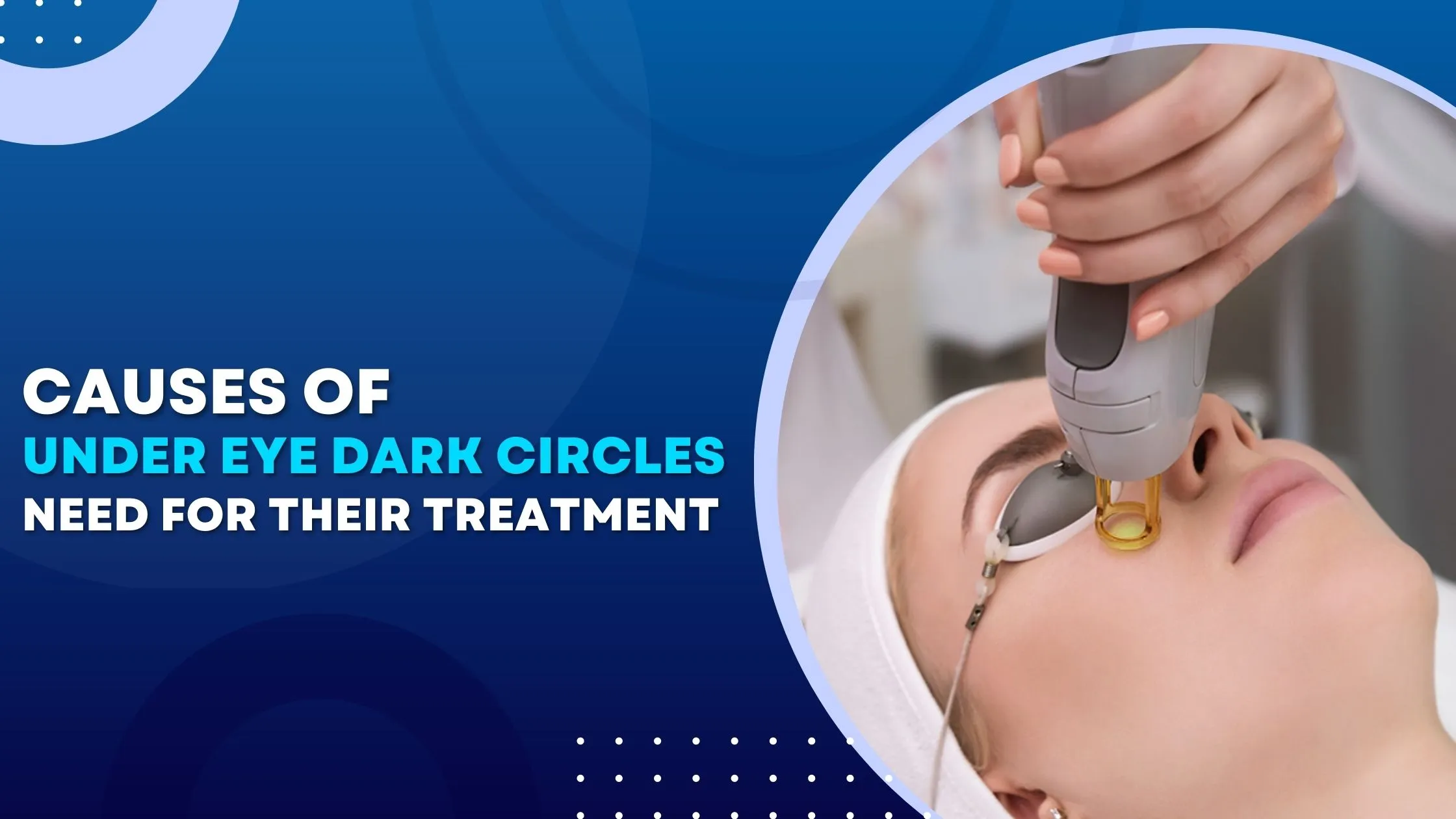
Dark Circle Treatment in Jeddah: How Modern Treatments Can Refresh the Eye Area
Dark circles are one of the most noticeable cosmetic concerns affecting the face. They can make the eyes appear tired, dull, or older and may remain visible despite good sleep and a healthy lifestyle. Dark circle treatment in Jeddah offers several approaches that can help improve different forms of under-eye darkness and restore a more refreshed appearance.
Dark circles do not have one universal cause. Genetics, pigmentation, aging, sun exposure, allergies, dehydration, visible blood vessels, skin thinning, and facial structure can all contribute. In many cases, more than one factor is responsible.
For this reason, identifying the cause is an important part of selecting an appropriate treatment.
Understanding Dark Circles
Dark circles describe a darker, shadowed, or uneven appearance around the eyes, particularly under the lower eyelids.
They can appear brown, gray, blue, purple, or as a general shadow.
Brown discoloration is commonly associated with pigmentation. Blue or purple tones may be related to visible blood vessels beneath thin skin. Shadows may be created by hollowness or changes in facial volume.
These characteristics can overlap.
Why the Under-Eye Area Is Sensitive
The skin around the eyes is naturally thin and delicate.
Because it contains less supporting tissue, underlying blood vessels and structures can be more visible.
The area also moves constantly due to blinking and facial expressions.
Environmental exposure, dryness, and irritation may therefore become more noticeable around the eyes than in other areas of the face.
Genetic Causes
Genetics can have a strong influence on dark circles.
Some individuals naturally have more pigmentation around their eyes. Others inherit thin skin, prominent blood vessels, or facial contours that create shadows.
Genetic dark circles can appear early in life and remain throughout adulthood.
Professional treatments may reduce their visibility, but inherited characteristics may continue to influence the final appearance.
Aging and Under-Eye Changes
The natural aging process can gradually change the appearance of the lower eyelids.
Collagen and elastin production decrease over time, causing the skin to become thinner and less firm.
Fine lines and wrinkles can become more prominent.
Changes in facial volume can also create hollowness beneath the eyes. This may produce shadows that make the area appear darker.
Sun Exposure
Ultraviolet exposure can contribute to pigmentation.
Repeated exposure may stimulate melanin production and make brown discoloration more noticeable.
Sun exposure also contributes to premature skin aging and changes in skin texture.
Daily sun protection is therefore an important component of under-eye care.
Broad-spectrum sunscreen and sunglasses can help reduce ultraviolet exposure.
Allergies and Eye Rubbing
Allergies can cause itching, watering, and irritation around the eyes.
Frequent rubbing can irritate delicate skin and may contribute to discoloration.
Reducing eye rubbing and addressing recurring irritation can help protect the area.
Gentle skincare can also support the skin barrier.
Different Forms of Dark Circles
Understanding the characteristics of dark circles can help guide treatment.
Pigmented Circles
These are generally brown or darker than the surrounding skin.
Vascular Circles
These may appear blue, purple, or reddish because blood vessels are visible through thin skin.
Structural Circles
These are created by hollowness or facial contours that produce shadows.
Skin-Quality Concerns
Thin, loose, or crepey skin can make the area appear darker and more tired.
Combination Circles
Several factors can occur at the same time.
Why Assessment Matters
Different causes require different solutions.
A pigmentation-focused treatment may not correct hollowness. Likewise, a volume-restoring procedure does not directly treat pigmentation.
A professional assessment can evaluate skin tone, pigmentation, texture, thickness, and facial structure.
This allows the treatment strategy to focus on the most important contributing factors.
Skincare for Dark Circles
A suitable skincare routine can support the appearance of the under-eye area.
Vitamin C offers antioxidant support and may help improve the appearance of uneven skin tone.
Niacinamide can support the skin barrier and promote a more even-looking complexion.
Peptides are commonly used in products intended to support firmness.
Selected retinoid products may encourage skin renewal but should be introduced carefully around the sensitive eye area.
Moisturizers can help reduce dryness and make fine lines less noticeable.
Chemical Peels
Selected chemical peels may help address superficial pigmentation.
They encourage controlled exfoliation and skin renewal.
Because the eye area is delicate, treatment selection and strength should be carefully controlled.
Temporary dryness, peeling, redness, or sensitivity may occur during recovery.
Laser and Light-Based Treatments
Certain laser and light-based procedures may be considered for selected pigmentation or vascular concerns.
Different technologies target different structures. Some focus on pigment, while others may address visible blood vessels or stimulate collagen remodeling.
Skin tone should be considered carefully because some individuals may have a greater risk of unwanted pigmentation changes.
Multiple sessions may be necessary depending on the procedure and individual response.
Microneedling
Microneedling can support improvements in skin texture and firmness.
Controlled microscopic injuries stimulate the body's natural healing process.
Collagen remodeling can gradually improve the appearance of thin or crepey skin.
Results develop progressively and may require multiple sessions.
Dermal Fillers for Hollowness
Under-eye hollowness can create shadows that resemble dark circles.
For suitable candidates, dermal fillers may restore carefully controlled volume and soften the transition between the lower eyelid and cheek.
This can reduce shadows associated with a prominent tear trough.
Fillers primarily address structural concerns rather than pigmentation.
Combination Approaches
Many people have multiple contributing factors.
Pigmentation can occur alongside thin skin, fine lines, and hollowness.
A combination strategy may address these factors separately.
Skincare can support pigmentation management, collagen-focused treatments can improve skin quality, and structural correction may address hollowness when appropriate.
Treatments should be selected according to individual needs rather than automatically combining multiple procedures.
Hydration and Moisturization
Dehydrated skin can look dull and make fine lines more visible.
Adequate fluid intake and regular moisturization can support healthier-looking skin.
However, hydration alone cannot eliminate genetic pigmentation, visible blood vessels, or structural shadows.
It should therefore be viewed as a supportive measure.
Sleep and Lifestyle Habits
Sleep can influence the appearance of dark circles.
Insufficient rest may make existing darkness and puffiness more noticeable.
Maintaining a consistent sleep schedule may help reduce fatigue-related changes.
A balanced diet supports normal skin function, while adequate hydration supports skin comfort.
Avoiding smoking and minimizing eye rubbing may also help maintain healthier-looking skin.
Daily Sun Protection
Sun protection is essential when pigmentation contributes to dark circles.
Broad-spectrum sunscreen can reduce ultraviolet exposure, while sunglasses provide additional protection.
After professional treatments, sun protection is particularly important because treated skin may be more sensitive.
Consistent protection can help preserve improvements and reduce the likelihood of pigmentation becoming more pronounced.
Recovery and Aftercare
Recovery depends on the selected procedure.
Chemical peels may produce temporary peeling and dryness. Laser treatments can cause redness or sensitivity, while microneedling may result in temporary redness and mild swelling.
Following aftercare instructions can support the healing process.
The under-eye area should be protected from unnecessary irritation, and rubbing should be avoided.
Treatment Timeline
Different treatments have different timelines.
Skincare generally requires several weeks or longer of consistent use.
Chemical peels and laser treatments may require multiple sessions.
Microneedling produces gradual changes as collagen remodeling occurs.
Structural treatments may produce more noticeable contour changes, although temporary swelling can influence the early appearance.
Maintaining Results
Dark circles can return because the underlying factors may continue.
Aging, genetics, sun exposure, and lifestyle habits can continue affecting the under-eye area.
Maintaining appropriate skincare, daily sun protection, adequate hydration, healthy sleep, and reduced eye irritation can help support long-term results.
Some professional treatments may require periodic maintenance.
Realistic Expectations
Dark circle treatment can improve the appearance of the under-eye area, but complete elimination is not always possible.
Genetic pigmentation, facial anatomy, skin characteristics, and natural aging can continue to influence the result.
The goal should be to reduce visible darkness, soften shadows, improve texture, and create a brighter and naturally refreshed appearance.
Choosing the Right Approach
There is no universal treatment for all dark circles.
Pigmentation, vascular discoloration, thin skin, and structural hollowness require different considerations.
A personalized strategy can prioritize the most significant causes while avoiding unnecessary procedures.
Conclusion
Dark circles can result from genetics, aging, pigmentation, sun exposure, allergies, visible blood vessels, dehydration, lifestyle habits, and facial structure. Dark circle treatment in Jeddah offers several approaches for improving these concerns.
Depending on individual needs, treatment may include targeted skincare, chemical peels, laser or light-based procedures, microneedling, dermal fillers, or carefully selected combinations.
Understanding the underlying cause is the foundation of a suitable treatment plan. With appropriate assessment, consistent sun protection, suitable skincare, healthy lifestyle habits, realistic expectations, and proper aftercare, the under-eye area can appear brighter, smoother, and more refreshed while maintaining a natural-looking result.

 English
 Arabic
 French
 Spanish
 Portuguese
 Deutsch
 Turkish
 Dutch
Dutch
 Italiano
 Russian
 Romaian
 Greek
Greek
 Bengali