


Mole Removal in Jeddah: What to Expect Before, During, and After the Procedure
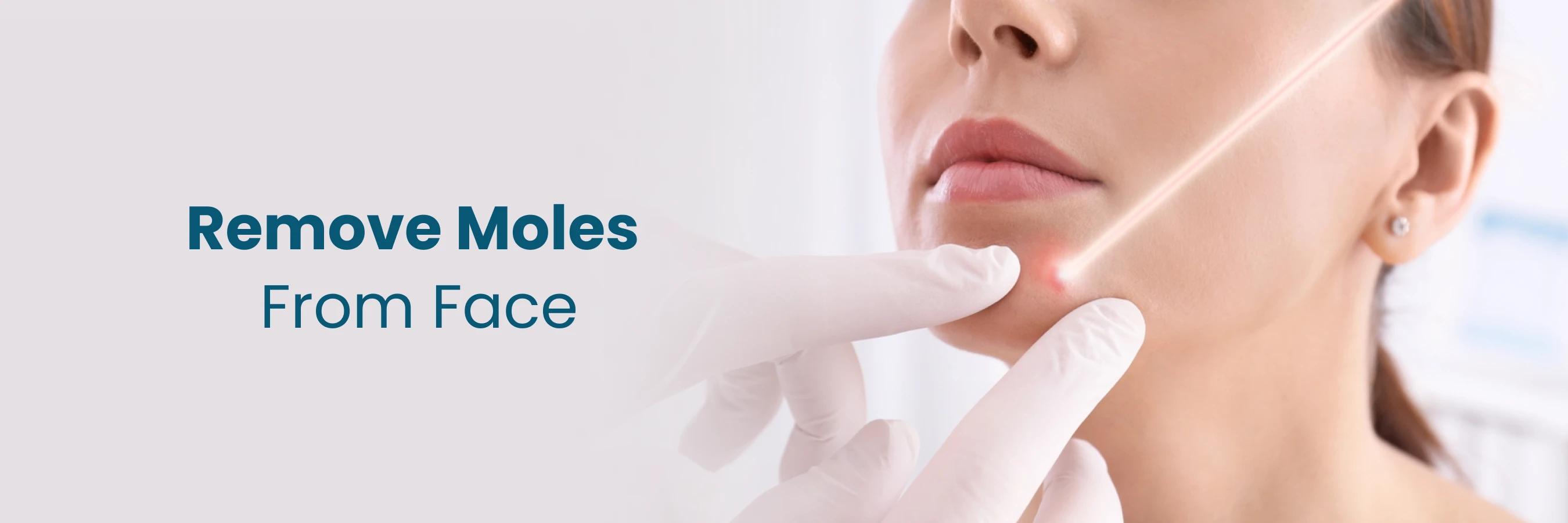
Mole Removal in Jeddah: What to Expect Before, During, and After the Procedure
Moles are common skin growths that can develop on almost any part of the body. Some are flat and barely noticeable, while others are raised, darker in color, or located in highly visible areas. Although many moles are harmless, people may consider removal because of cosmetic concerns, repeated irritation, or changes that require medical evaluation. For anyone considering Mole Removal in Jeddah, knowing what to expect before, during, and after the procedure can make the process easier to understand.
Mole removal is not a one-size-fits-all treatment. The most suitable approach depends on the characteristics of the mole, including its size, depth, location, appearance, and whether it has shown any concerning changes. A proper assessment should always take place before treatment.
Before Mole Removal: The Consultation and Assessment
The process generally begins with an examination of the mole. A healthcare professional may ask how long the mole has been present and whether it has changed in appearance.
The assessment may include looking at:
-
Size
-
Shape
-
Color
-
Border
-
Texture
-
Location
-
Symptoms such as itching, pain, or bleeding
This step is particularly important because not every skin growth should automatically be treated as a harmless cosmetic mole.
If a mole has changed significantly or appears unusual, further evaluation may be necessary. In some cases, a removal method that preserves the tissue for laboratory examination may be preferred.
During the consultation, the patient can also discuss cosmetic expectations, concerns about scarring, and the expected healing process.
Preparing for Mole Removal
Preparation depends on the planned treatment method. Patients may be asked about medications, allergies, previous skin reactions, and their history of wound healing.
It is important to provide accurate information about any medicines or products being used, particularly those that may affect bleeding or healing.
The treatment area should generally be clean. Specific instructions may vary depending on the type of procedure and the individual's circumstances.
Preparation is also an opportunity to discuss realistic expectations. While mole removal may improve the appearance of the skin, no procedure can guarantee completely scar-free healing.
What Happens During Mole Removal?
The exact procedure depends on the selected removal technique.
Surgical Excision
For surgical excision, the area is usually numbed using local anesthesia. The mole is removed using a surgical technique, and the wound may be closed with stitches.
This method may be used when the mole extends deeper into the skin or when complete removal is considered appropriate. The removed tissue can potentially be sent for laboratory analysis when needed.
Shave Removal
Shave removal may be considered for selected raised moles. The raised portion of the mole is carefully removed from the surface of the skin.
Depending on the situation, stitches may not be required. The area then heals gradually and may develop a temporary scab.
Selected Laser-Based Treatments
Certain superficial pigmented lesions may be considered for laser-based treatment. However, this approach is not suitable for every mole.
If there is uncertainty about the nature of a mole, it is important to avoid a treatment method that destroys the tissue before appropriate evaluation.
The choice of technique should therefore be based on the specific characteristics of the lesion.
Is Mole Removal Painful?
Many mole removal procedures involve local anesthesia to numb the area. This helps reduce discomfort during treatment.
Patients may feel pressure or movement during the procedure, depending on the technique used. After the anesthesia wears off, mild tenderness or sensitivity may occur.
The level of discomfort and recovery experience can vary between individuals and according to the location and extent of the procedure.
Following the recommended aftercare instructions can help support comfortable healing.
Immediately After the Procedure
After Mole Removal in Jeddah, the treatment area may look different from the surrounding skin. Redness, mild swelling, or tenderness can occur during the early stages of healing.
A dressing may be placed over the wound. If stitches are used, the patient will receive instructions about keeping the area clean and when follow-up may be required.
Some procedures result in a small open area that gradually heals. A scab may form as part of the natural healing process.
It is important not to pick at the scab or repeatedly touch the treatment area. Doing so may interfere with healing and increase the risk of scarring.
The Healing Process
Healing time depends on several factors. These include the size and depth of the mole, the removal method, the location on the body, and the individual's natural healing response.
A small superficial treatment area may heal relatively quickly, while a deeper surgical wound may require a longer recovery period.
Even after the surface of the skin has healed, the appearance of the treated area may continue to change. Redness can gradually reduce, and scars may mature over time.
Patience is important because the final cosmetic appearance may not be immediately visible after the procedure.
Aftercare for the Treated Area
Appropriate aftercare can support the healing process. Specific instructions depend on the procedure, but general recommendations may include:
-
Keeping the area clean
-
Using dressings as instructed
-
Applying recommended products only
-
Avoiding unnecessary touching
-
Not picking at scabs
-
Avoiding friction against the treated area
-
Protecting healing skin from excessive sun exposure
Strong skincare products should generally not be applied to an open or recently treated area unless specifically recommended.
The use of exfoliants, acids, or abrasive scrubs may irritate healing skin.
Understanding the Risk of Scarring
Scarring is a natural concern for many people considering mole removal. Because the procedure involves removing or treating skin tissue, some degree of marking is possible.
The appearance of any resulting scar depends on factors such as:
-
Mole size and depth
-
Treatment technique
-
Location
-
Skin characteristics
-
Individual healing tendencies
-
Wound care
-
Sun exposure
Some marks may become less noticeable with time, while others may remain visible.
People with a history of thick, raised, or unusual scars should discuss this during their consultation so that individual risk factors can be considered.
When Should You Contact a Healthcare Professional?
Patients should follow the instructions provided after treatment and seek medical advice if they experience concerning symptoms.
These may include worsening pain, increasing redness, significant swelling, unusual discharge, persistent bleeding, or other unexpected changes in the treated area.
Prompt attention to potential complications can help ensure that appropriate care is provided.
Why Avoid Removing a Mole at Home?
At-home mole removal methods may seem convenient, but they can create unnecessary risks. Cutting, burning, or using unverified chemical products can result in infection, burns, bleeding, and permanent scarring.
Self-treatment may also destroy or alter a lesion that should have been medically examined.
For these reasons, professional assessment is important, particularly when a mole is new, changing, unusually shaped, or causing symptoms.
Making an Informed Decision
Choosing Mole Removal in Jeddah involves more than simply selecting a procedure. The first priority should be understanding the characteristics of the mole and determining whether removal is medically or cosmetically appropriate.
A professional assessment can help determine the suitable technique, explain the expected recovery, and discuss possible scarring and other risks.
People should feel comfortable asking questions about the procedure, healing process, aftercare, and what type of result may reasonably be expected.
Final Thoughts
Mole removal can address cosmetic concerns, repeated irritation, or moles that require further evaluation. However, the procedure should always begin with proper assessment.
Mole Removal in Jeddah may involve surgical excision, shave removal, or selected treatments for appropriate lesions. The right approach depends on the individual mole rather than a single standard method.
Understanding the procedure from consultation through recovery can help individuals feel better prepared. With appropriate evaluation, realistic expectations, and careful aftercare, mole removal can be approached with greater confidence while keeping skin health and safety as important priorities.

 Arabic
 French
 Spanish
 Portuguese
 Deutsch
 Turkish
 Dutch
Dutch
 Italiano
 Russian
 Romaian
 Portuguese (Brazil)
 Greek
Greek
 Bengali