


Expert Solutions for Water Damage Repair and Restoration
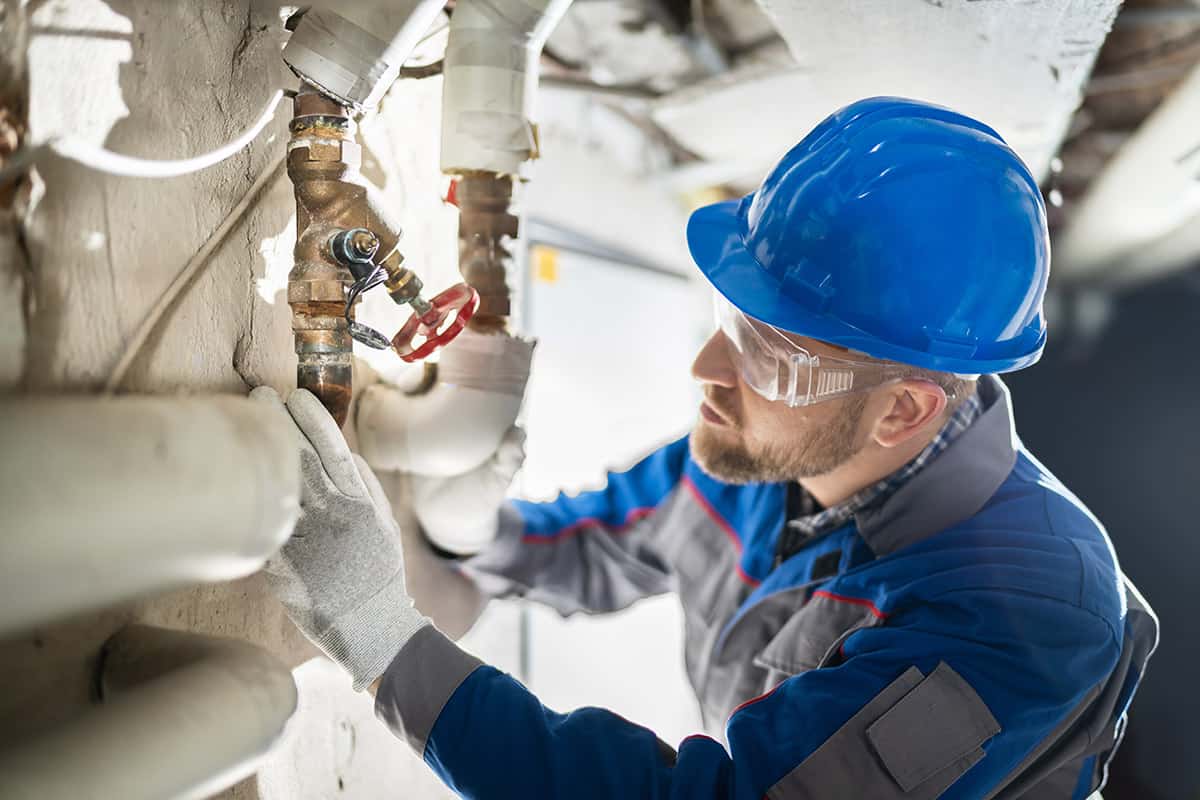
Water damage can happen unexpectedly because of burst pipes, leaking appliances, overflowing fixtures, roof leaks, or severe weather. If moisture is left untreated, it can affect flooring, drywall, ceilings, insulation, and other building materials. Professional water damage repair services help property owners address these problems through timely assessment, water removal, drying, cleaning, and necessary repairs.
Understanding Water Damage
Water can move quickly through a property, affecting areas beyond the source. Even when standing water has been removed, moisture may remain inside walls, beneath floors, or within other porous materials.
Common causes of water damage include:
-
Burst or leaking pipes
-
Appliance and plumbing failures
-
Overflowing sinks, tubs, or toilets
-
Roof and gutter leaks
-
Heavy rainfall and flooding
-
Storm-related water intrusion
Identifying the source is an essential first step because continued water entry can make restoration more difficult.
Why Prompt Water Restoration Is Important
Taking action quickly can help limit the extent of property damage. Prolonged moisture may weaken building materials, damage personal belongings, and create conditions that support unwanted microbial growth.
Professional water restoration services typically begin with an inspection to determine where water has traveled and which materials have been affected. Technicians may use moisture meters and other equipment to identify damp areas that are not visible.
A timely response can help establish a clear restoration plan and reduce the possibility of secondary damage.
What Does Water Damage Restoration Involve?
A water damage restoration process usually includes several stages. The exact steps depend on the source, amount, and duration of the water exposure.
1. Inspection and Assessment
The affected property is examined to determine the source and extent of water damage. Moisture levels may also be checked in walls, flooring, and other materials.
2. Water Extraction
Standing water is removed using appropriate extraction equipment. Removing excess water quickly helps reduce continued absorption into porous materials.
3. Drying and Dehumidification
Air movers and dehumidification equipment may be used to remove remaining moisture. Drying should continue until affected materials reach appropriate moisture levels.
4. Cleaning
Affected surfaces and belongings may require cleaning and treatment depending on the type of water involved and the extent of contamination.
5. Repairs and Restoration
Damaged drywall, flooring, ceilings, or other materials may need repair or replacement before the property can be fully restored.
When Should You Contact Professionals?

Professional assistance may be necessary when water affects multiple rooms, remains inside building materials, or results from significant flooding. It is also important to seek help when the source of the water is difficult to identify or when previous drying efforts have not resolved the problem.
A professional water damage restoration service can evaluate the situation and determine the most appropriate restoration approach. Specialized equipment can help identify hidden moisture and support more thorough drying.
How Can Water Damage Lead to Mold?
Mold can develop when moisture remains in a property for an extended period. Materials such as drywall, carpet, wood, and insulation can retain water and provide conditions where mold may grow.
If mold is already present, home mold remediation may be needed alongside water restoration. Addressing the moisture source is essential because cleaning mold without resolving the underlying water problem can lead to recurring growth.
Homeowners should pay attention to musty odors, discoloration, damp areas, and mold appearing after previous leaks or flooding.
Preventing Future Water Damage
Although not every water emergency can be prevented, regular property maintenance can reduce certain risks.
Consider the following preventive measures:
-
Inspect plumbing connections regularly.
-
Replace worn hoses and fittings.
-
Check the roof for signs of damage.
-
Keep gutters and drainage systems clear.
-
Monitor appliances that use water.
-
Repair leaks as soon as they are discovered.
-
Inspect areas previously affected by moisture.
Regular maintenance can help identify small problems before they become extensive restoration projects.
Choosing the Right Restoration Provider
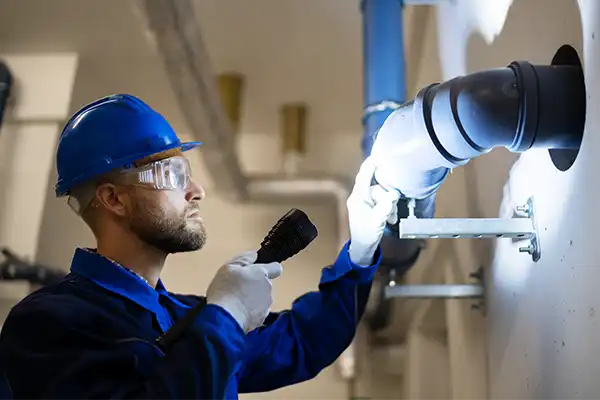
When selecting a restoration provider, homeowners should consider experience, availability, equipment, and the range of services offered. A reliable provider should explain the assessment and restoration process clearly and communicate what work may be required.
It can also be helpful to choose professionals who can address related concerns such as water extraction, drying, repairs, and mold-related issues. This can make the recovery process more organized when several problems occur at once.
Conclusion
Water damage can affect both the visible appearance and underlying condition of a property. Professional water damage repair services provide a structured approach to water removal, drying, cleaning, and restoration. Acting promptly can help reduce further deterioration and address moisture before it contributes to additional problems. With proper assessment, appropriate equipment, and timely repairs, property owners can move toward a safer and more complete recovery.

 Arabic
 French
 Spanish
 Portuguese
 Deutsch
 Turkish
 Dutch
Dutch
 Italiano
 Russian
 Romaian
 Portuguese (Brazil)
 Greek
Greek
 Bengali