


Surya Ghar Yojana Assam: Steps to Apply for Solar Subsidy
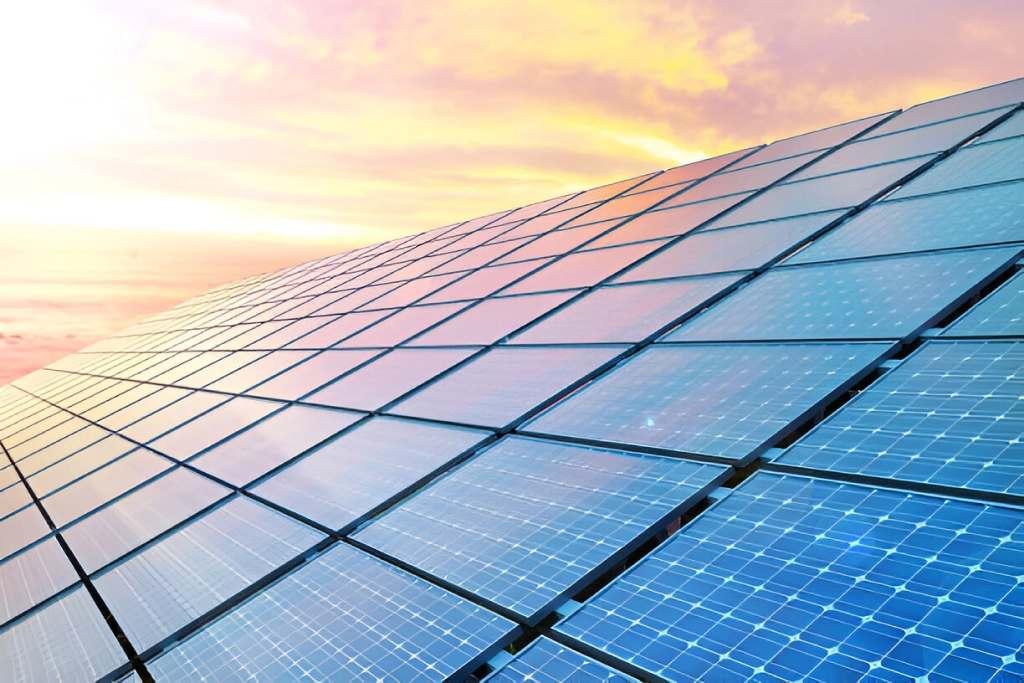
Solar energy is becoming an important part of India’s move toward clean and affordable electricity. For many households, installing a rooftop solar system can reduce dependence on grid electricity and help lower monthly power bills. In Assam, the surya ghar yojana assam initiative gives eligible residential consumers an opportunity to install rooftop solar and receive financial support through the national rooftop solar subsidy programme.
The process may look difficult at first, especially for people who have never installed a solar system before. However, the application process is mainly online and can be completed by following a few important steps. From checking eligibility to selecting a registered vendor, installing the system, and receiving the subsidy, every stage has a clear purpose.
This guide explains the process in simple language. It also covers eligibility, documents, subsidy basics, installation, inspection, common mistakes, and important points that Assam households should know before applying.
What Is the PM Surya Ghar Scheme?
The PM Surya Ghar: Muft Bijli Yojana is a government programme designed to encourage residential rooftop solar installation. The main purpose is to help households generate electricity from sunlight and reduce their dependence on conventional grid power.
Under the scheme, eligible residential consumers can install a grid-connected rooftop solar system and receive Central Financial Assistance (CFA), subject to the applicable scheme rules.
The solar panels installed on a home's rooftop generate electricity during daylight hours. The electricity can be used by the household. Depending on the system and electricity consumption, surplus generation may also be exported to the grid under the applicable net-metering or other state-approved arrangements.
The programme is therefore useful for households that want to:
- Reduce electricity bills
- Generate clean electricity
- Make better use of their rooftop
- Reduce dependence on conventional power
- Make a long-term investment in renewable energy
Who Can Apply in Assam?
The scheme is mainly intended for residential electricity consumers. Before beginning an application, a household should make sure that its electricity connection and property meet the applicable requirements.
Some important points include:
1. Residential electricity connection
The applicant should have a valid residential electricity connection. The electricity connection details are important because the application is linked to the consumer's power account.
2. Suitable rooftop
The house should have a suitable roof or another permitted space where solar panels can be installed safely.
A good rooftop should receive enough sunlight during the day. Large trees, nearby buildings, water tanks, or other structures should not create heavy shade over the proposed installation area.
3. Applicant details
The name and other details provided during the application should match the relevant electricity connection and required documents.
4. Bank account
A valid bank account is generally required for receiving the applicable subsidy. The applicant should carefully provide correct banking information and ensure that the account details meet the programme requirements.
5. Compliance with scheme requirements
The installation must follow the technical, vendor, metering, and documentation requirements applicable under the scheme.
Because rules and procedures can be updated, applicants should always check the latest information available on the official PM Surya Ghar portal and with the concerned electricity distribution utility before making a final decision.
How Much Solar Capacity Should You Install?
Choosing the right system size is an important part of the process.
A household should not select a system only because a larger system can produce more electricity. The appropriate capacity depends on factors such as monthly electricity consumption, available rooftop space, sunlight, budget, and applicable scheme rules.
For example, a household with relatively low electricity consumption may not need a very large rooftop system. A home with higher consumption may benefit from a larger capacity if the roof and electrical connection can support it.
Before installation, it is useful to review several months of electricity bills. This gives the household a better idea of its average consumption.
A solar professional can also assess:
- Monthly electricity usage
- Available roof area
- Roof direction and orientation
- Shade conditions
- Structural suitability
- Electrical requirements
- Suitable system capacity
Proper sizing helps prevent unnecessary investment and allows the system to work more effectively.
Steps to Apply for Solar Subsidy in Assam
The application process can be understood as a series of simple stages. Following each stage carefully can help avoid delays.
Step 1: Visit the Official PM Surya Ghar Portal
The first step is to access the official PM Surya Ghar online portal.
Applicants should use the official government platform rather than relying on unknown websites or individuals who promise guaranteed approval or subsidy.
On the portal, the applicant can begin the rooftop solar application process and provide the required electricity connection information.
It is important to enter information carefully because incorrect details can create problems later.
Step 2: Register Using Electricity Connection Details
The applicant generally needs to provide information related to the electricity connection.
Depending on the portal requirements, this may include details such as:
- State
- Electricity distribution company
- Consumer number
- Mobile number
- Other required identification details
The applicant should make sure that the consumer information is entered correctly.
If the consumer number is incorrect, the application may not connect properly with the electricity account.
Step 3: Check Eligibility and Submit the Application
After entering the required information, the applicant can proceed with the rooftop solar application.
The portal provides the relevant application workflow. The applicant should read the instructions carefully and submit the required information.
At this stage, it is important not to rush. A small error in a name, consumer number, bank detail, or other information may result in additional verification or correction requirements.
After submission, the applicant should keep the application details or acknowledgement safely for future reference.
Step 4: Select a Registered Solar Vendor
One of the most important steps is choosing an eligible or registered vendor available through the programme.
Applicants should not select a contractor only because the quoted price is low. The quality of the panels, inverter, mounting structure, installation work, wiring, protection equipment, and after-sales support can affect the performance and life of the solar system.
Before selecting a vendor, ask about:
- Solar panel specifications
- Inverter specifications
- Warranty
- Mounting structure
- Installation process
- Earthing and protection
- Metering support
- Expected generation
- Maintenance requirements
- After-sales service
A proper quotation should clearly explain what is included in the installation.
Step 5: Get the Rooftop Survey Done
After vendor selection, a site survey may be carried out.
During the survey, the installation team checks whether the roof is suitable for solar panels. The team may assess the roof's available space, direction, shade, structure, electrical connection, and other technical factors.
This stage is important because every home is different.
A rooftop that looks large from the ground may have limited usable space because of water tanks, staircases, vents, shade, or other structures.
The survey helps determine how the system can be installed safely and efficiently.
Step 6: Finalise the System and Installation
Once the technical details are confirmed, the solar system can be installed according to the approved process.
A typical rooftop solar installation may include:
- Solar PV modules
- Solar inverter
- Mounting structures
- DC cables
- AC cables
- Protection devices
- Earthing system
- Electrical connections
- Metering-related equipment
The exact equipment depends on the selected system design and applicable requirements.
Installation should be carried out by trained personnel. Proper cable routing, panel mounting, earthing, electrical protection, and waterproofing are especially important.
Step 7: Apply for Net Metering or Required Metering Process
For a grid-connected rooftop solar system, the metering process is an important part of the installation.
A net meter or other applicable metering arrangement helps record electricity imported from and, where permitted, exported to the grid.
The exact procedure can vary according to the electricity distribution utility and current state regulations.
Applicants should therefore follow the instructions provided by the concerned distribution company rather than assuming that the same procedure applies everywhere in India.
Step 8: Inspection and Commissioning
After installation, the system may need to be inspected or verified according to the applicable process.
The relevant electricity utility or authorised agency may check whether the installation meets technical and safety requirements.
Once the required formalities are completed, the system can be commissioned.
This stage confirms that the rooftop solar installation is ready to operate under the approved grid-connected arrangement.
Step 9: Complete Subsidy-Related Formalities
After successful installation and completion of the required verification, the subsidy process can move forward.
The subsidy amount is not simply an immediate discount that every applicant automatically receives at the beginning. It depends on eligibility, approved system capacity, applicable Central Financial Assistance rules, and completion of the required procedure.
Applicants should ensure that:
- Installation information is correctly submitted
- Required documents are available
- Bank details are correct
- The system has completed the required commissioning process
- Vendor-related information is properly recorded
Once the required conditions are fulfilled, the eligible subsidy can be processed through the prescribed system.
Documents You May Need
Applicants should keep important documents ready before starting the application.
Commonly required information or documents may include:
- Electricity bill
- Electricity consumer number
- Aadhaar or other required identity information
- Mobile number
- Bank account details
- Proof of ownership or other required property information, where applicable
- Rooftop solar installation details
- Vendor and system-related documents
The exact document requirements can change based on the portal, utility, and scheme rules. Therefore, applicants should check the latest official instructions before submitting documents.
Understanding the Solar Subsidy
The financial assistance under the PM Surya Ghar programme is designed to reduce the upfront cost of rooftop solar for eligible residential consumers.
The applicable Central Financial Assistance is linked to the installed solar capacity and the programme's approved rates and limits.
A key point for applicants is that subsidy should not be calculated simply by multiplying the total system size by a fixed amount without checking the current rules.
There are applicable capacity limits and programme conditions.
For example, the scheme provides higher financial assistance for the initial portion of eligible capacity and a different rate for the next portion, subject to the prescribed maximum assistance for residential consumers.
This means homeowners should always verify the current subsidy calculation on the official portal before making financial decisions.
The subsidy can significantly reduce the effective cost of a rooftop solar installation, but households should still compare the complete project cost. A good financial decision considers the equipment quality, installation charges, electricity savings, maintenance, and expected system life.
Why Rooftop Solar Can Be Useful for Assam Homes
Assam receives substantial sunlight during many parts of the year, making solar power a useful renewable energy option for residential consumers.
However, solar generation can be affected by local weather conditions. Heavy cloud cover and rainfall can reduce electricity generation on particular days.
Even so, a properly designed system can generate useful electricity over the year.
Some major benefits include:
Lower electricity bills
Solar electricity can reduce the amount of electricity a household needs to purchase from the grid.
Clean energy
Solar power produces electricity without direct combustion of fossil fuels during operation.
Long-term value
Solar panels are designed to operate for many years when installed and maintained properly.
Better energy independence
Generating electricity on the rooftop can reduce complete dependence on grid electricity.
Government support
Eligible residential consumers can receive financial assistance under the applicable rooftop solar programme.
Important Factors to Check Before Installation
Applying for a subsidy should not be the only focus. The quality and suitability of the solar installation are equally important.
Roof condition
The roof should be structurally suitable for the planned installation. A weak or damaged roof may require repair before the solar structure is installed.
Shading
Even partial shading can affect solar generation. A proper site survey should identify major shading problems.
Panel quality
Solar panels are a major part of the system. Buyers should check specifications, warranty terms, certification requirements, and product quality.
Inverter quality
The inverter converts the electricity generated by the panels into usable electricity for the household and grid connection. Its quality can influence system performance.
Mounting structure
The mounting structure must be strong enough to hold the panels and withstand local weather conditions.
Earthing and protection
Proper earthing and electrical protection help improve system safety. These should never be treated as optional features.
Installation workmanship
Even good-quality equipment can perform poorly if it is installed incorrectly. Cable connections, panel alignment, waterproofing, and electrical protection should all be handled properly.
Common Mistakes Applicants Should Avoid
Many problems can be avoided by taking a few simple precautions.
Choosing an unknown website
Always use the official government portal for the application process. Be careful with websites or individuals asking for unnecessary personal or financial information.
Selecting a vendor only because of price
The lowest quotation may not provide the best value. Compare equipment quality, warranties, installation standards, and service support.
Entering incorrect information
Check your consumer number, mobile number, bank details, and personal information before submitting the application.
Ignoring roof condition
Installing panels on a damaged roof can create problems later. The roof should be checked before the project starts.
Not checking the quotation
Understand exactly what the quoted price includes. Ask whether installation, wiring, mounting structures, protection equipment, metering support, and other necessary work are included.
Expecting immediate subsidy
Subsidy processing requires completion of the prescribed application, installation, verification, and documentation stages. Applicants should not assume that the money will be credited immediately after applying.
How to Make the Application Process Easier
A little preparation can make the entire process smoother.
First, keep recent electricity bills available. They can help you understand your electricity consumption and provide the information needed during registration.
Second, inspect the rooftop before selecting a system. Look for shade, available space, water tanks, trees, nearby buildings, and other obstacles.
Third, compare vendor quotations carefully. Do not compare only the final price. Compare the equipment and services included in each quotation.
Fourth, keep copies of submitted documents and application information.
Finally, check the status of the application through the official process instead of relying entirely on verbal updates from third parties.
Is Solar Subsidy Worth Considering?
For many residential consumers, rooftop solar can be a useful long-term investment. However, the financial benefit depends on electricity consumption, system size, installation cost, solar generation, tariff structure, and other factors.
A household that uses more electricity during the daytime may be able to use a larger share of its solar generation directly.
The actual savings should therefore be estimated based on the household's electricity usage rather than a general claim.
A professional solar assessment can help estimate expected generation and understand the likely financial benefits.
Frequently Asked Questions
What is the Surya Ghar scheme in Assam?
The PM Surya Ghar programme is a national rooftop solar initiative available to eligible residential consumers across India, including eligible households in Assam. It provides financial assistance for qualifying rooftop solar installations under the applicable rules.
Can tenants apply for rooftop solar subsidy?
Eligibility can depend on the electricity connection, property arrangements, and applicable programme requirements. Tenants should check the latest official guidelines and discuss the installation with the property owner and electricity utility where necessary.
How do I choose the right solar capacity?
Review your electricity consumption, available rooftop space, sunlight conditions, and budget. A qualified solar professional can help determine an appropriate capacity.
Is net metering required?
For grid-connected rooftop solar, metering is an important part of the process. The exact arrangement and procedure depend on the applicable rules and the electricity distribution utility.
Does solar work during cloudy weather?
Solar panels can still generate electricity under cloudy conditions, but their output is generally lower than on bright sunny days.
How long can a solar system last?
A properly maintained rooftop solar system can operate for many years. Individual components have different expected operating lives and warranty periods, so buyers should review the manufacturer's terms before installation.
Can I install solar without checking the roof?
It is better to conduct a proper site assessment first. Roof strength, usable area, shading, orientation, and electrical conditions should all be considered.
Final Thoughts
The surya ghar yojana assam application process becomes easier when each stage is completed carefully. Start by checking eligibility and electricity connection details, register through the official portal, select an appropriate registered vendor, complete the site survey, install the approved system, finish the metering and verification process, and then complete the subsidy-related formalities.
The most important point is to focus on both the subsidy and the quality of the solar system. A good installation should be safe, properly designed, suitable for the rooftop, and capable of providing reliable generation for many years.
For households looking for professional guidance with rooftop solar planning and installation in Assam, Solar Prabha can help customers understand the installation process and make informed decisions about their solar requirements.

 English
 Arabic
 French
 Portuguese
 Deutsch
 Turkish
 Dutch
Dutch
 Italiano
 Russian
 Romaian
 Portuguese (Brazil)
 Greek
Greek
 Bengali