


What Causes Jaw Cancer? Understanding the Risk Factors, Symptoms, and Diagnosis
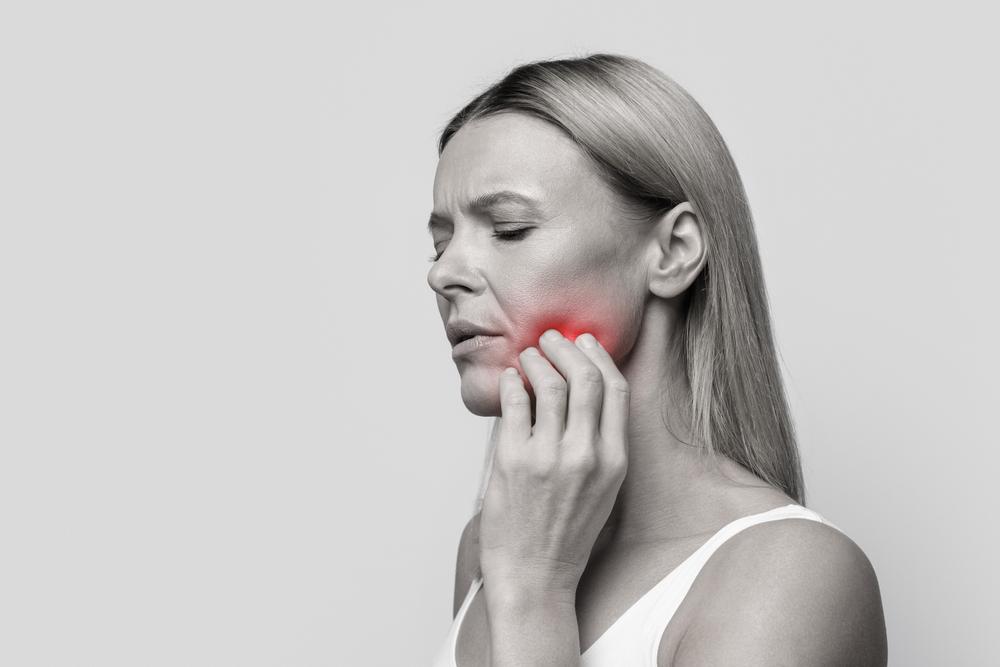
Jaw cancer is a rare type of cancer that can develop in the bones, tissues, or other structures around the jaw. It may begin in the upper jaw, called the maxilla, or the lower jaw, called the mandible.
Some jaw cancers start directly in the jawbone, while others spread to the jaw from cancers that began elsewhere.
Because jaw cancer is uncommon, it is important to understand what can contribute to its development and which symptoms may need medical attention.
Early evaluation can help doctors identify the cause of jaw changes and determine the appropriate treatment.
What Is Jaw Cancer?
Jaw cancer refers to malignant tumours that affect the jawbone or nearby tissues. Different types of cancer can occur in this area, including cancers that begin in bone, connective tissue, or the lining of the mouth.
Primary jaw cancers are cancers that start in the jaw itself. Secondary cancers can reach the jaw after spreading from another part of the body.
The type of cancer depends on the specific cells involved. Some tumours may grow slowly, while others can be more aggressive. Since several conditions can cause similar symptoms, proper testing is important for an accurate diagnosis.
What Causes Jaw Cancer?
In many cases, doctors cannot identify one specific cause of jaw cancer. Cancer develops when cells acquire changes in their DNA that cause them to grow and divide abnormally. Over time, these abnormal cells can form a tumour and invade surrounding tissues.
Certain factors may increase the risk of developing cancer in or around the jaw.
1. Genetic Changes
Changes in genes that control cell growth and repair can contribute to cancer development. These changes may occur during a person's lifetime or, less commonly, may be linked to inherited genetic conditions.
Most people who develop jaw cancer do not necessarily have a known inherited genetic disorder. Instead, several genetic changes may accumulate in cells over time.
2. Previous Radiation Exposure
Radiation exposure to the head or neck can increase the risk of developing certain cancers later in life. This risk is particularly relevant for people who previously received radiation therapy to treat another cancer.
Radiation-related cancers are uncommon, but a history of radiation treatment is an important factor doctors may consider when evaluating a new jaw lesion.
3. Tobacco Use
Tobacco is a major risk factor for cancers of the mouth and throat. Cigarettes, cigars, pipes, and smokeless tobacco products expose tissues to substances that can damage cells and increase cancer risk.
While tobacco does not cause every type of jaw cancer, long-term tobacco exposure can increase the risk of cancers affecting nearby oral tissues.
4. Alcohol Use
Heavy or long-term alcohol consumption is associated with a higher risk of cancers of the mouth and throat. The risk can become greater when alcohol use occurs alongside tobacco use.
Alcohol can damage cells lining the mouth and may make it easier for harmful substances from tobacco to affect oral tissues.
5. Human Papillomavirus (HPV)
Certain types of human papillomavirus, particularly high-risk HPV types, are associated with some cancers of the mouth and throat.
HPV-related cancers most commonly affect areas such as the tonsils and base of the tongue. They are not the usual cause of cancers that begin in the jawbone itself. However, HPV can be relevant when doctors are assessing cancers in the surrounding head and neck region.
6. Certain Genetic and Bone Conditions
Some rare inherited conditions can increase the likelihood of developing particular bone tumours. For example, certain genetic syndromes are associated with a higher risk of bone cancers.
These conditions are uncommon, so having a jaw tumour does not mean a person has an inherited disorder.
7. Previous Cancer
Cancer can sometimes spread, or metastasise, to the jawbone from another part of the body. Breast, lung, kidney, thyroid, and prostate cancers are among the cancers that can spread to bone.
In these situations, the cancer in the jaw is considered metastatic cancer rather than a new primary jaw cancer.
Does a Jaw Cyst Cause Cancer?
Most jaw cysts are not cancerous. A cyst is a fluid-filled or tissue-lined structure that can develop in the jaw for several reasons.
Some benign jaw tumours and cysts can cause bone destruction or other changes that may look concerning on imaging. However, most are not cancer.
In rare cases, certain long-standing lesions can undergo malignant changes. This is why a persistent or unusual jaw lesion should be evaluated rather than assumed to be harmless.
Symptoms of Jaw Cancer
Jaw cancer can cause symptoms that overlap with dental problems and other conditions. Possible signs include:
- Persistent jaw pain or tenderness
- Swelling of the jaw or face
- A lump in the jaw or mouth
- Numbness or tingling in the lip, chin, or face
- Loose teeth without an obvious dental cause
- Difficulty chewing or swallowing
- Changes in the way the teeth fit together
- Difficulty opening the mouth
- Unexplained bleeding in the mouth
- A sore that does not heal
- Facial asymmetry
- Persistent tooth or jaw discomfort
Some people may have no obvious symptoms during the early stages.
Because these symptoms can result from infections, dental conditions, cysts, or benign tumours, having one symptom does not mean that you have cancer. However, symptoms that persist, worsen, or occur without an obvious explanation should be assessed by a dentist or healthcare professional.
How Is Jaw Cancer Diagnosed?
Doctors usually begin with a medical and dental history and a physical examination. They may examine the mouth, jaw, teeth, gums, and nearby lymph nodes.
Imaging Tests
Imaging tests can provide more information about an abnormal area. Depending on the suspected condition, doctors may use:
- Dental X-rays
- Panoramic X-rays
- CT scans
- MRI scans
- PET scans in selected situations
Biopsy
A biopsy is often needed to determine whether an abnormal growth contains cancer cells. During a biopsy, a sample of tissue is removed and examined under a microscope by a specialist.
Additional laboratory or molecular testing may also help doctors identify the specific type of tumour and guide treatment decisions.
What Is the Difference Between Jaw Cancer and Oral Cancer?
Jaw cancer and oral cancer are related but are not the same thing.
Oral cancer develops in tissues of the mouth, such as the lips, tongue, gums, inner cheeks, floor of the mouth, or roof of the mouth.
Jaw cancer generally refers to cancer involving the jawbone or structures within and around the jaw. However, cancers of nearby oral tissues can invade the jawbone as they grow.
This distinction matters because the cancer's location, cell type, stage, and spread can affect the recommended treatment.
Can Jaw Cancer Be Prevented?
There is no guaranteed way to prevent every case of jaw cancer. However, reducing known cancer risk factors can lower the risk of several head and neck cancers.
Practical steps include:
- Avoiding tobacco products
- Limiting alcohol consumption
- Maintaining good oral hygiene
- Attending regular dental check-ups
- Discussing persistent mouth or jaw changes with a healthcare professional
- Following recommended HPV vaccination guidance
- Protecting yourself from unnecessary radiation exposure
Regular dental care can also help identify unusual changes in the mouth or jaw at an earlier stage.
When Should You See a Doctor or Dentist?
Not every jaw problem is a sign of cancer. Tooth infections, gum disease, impacted teeth, cysts, and other benign conditions can cause pain, swelling, or changes in the jaw.
However, you should seek professional evaluation if you have a lump, unexplained swelling, persistent pain, numbness, unexplained loose teeth, or a mouth sore that does not heal.
A healthcare professional can determine whether further dental examination, imaging, or a biopsy is needed.
Conclusion
Jaw cancer is rare and can develop from several different types of abnormal cell changes. Factors such as genetic changes, previous radiation exposure, tobacco and alcohol use, certain inherited conditions, and cancer that has spread from another organ may play a role. However, many cases do not have one identifiable cause.
Persistent jaw swelling, pain, numbness, or unexplained changes should be evaluated promptly. Early assessment can help identify the cause and support appropriate care.
Furthermore, head and neck clinical trials are currently enrolling. Participate in head and neck clinical trials to learn whether you may qualify to take part in ongoing research.

 Arabic
 French
 Spanish
 Portuguese
 Deutsch
 Turkish
 Dutch
Dutch
 Italiano
 Russian
 Romaian
 Portuguese (Brazil)
 Greek
Greek
 Bengali