


Increasing Client Transparency Through Digital Billing Systems
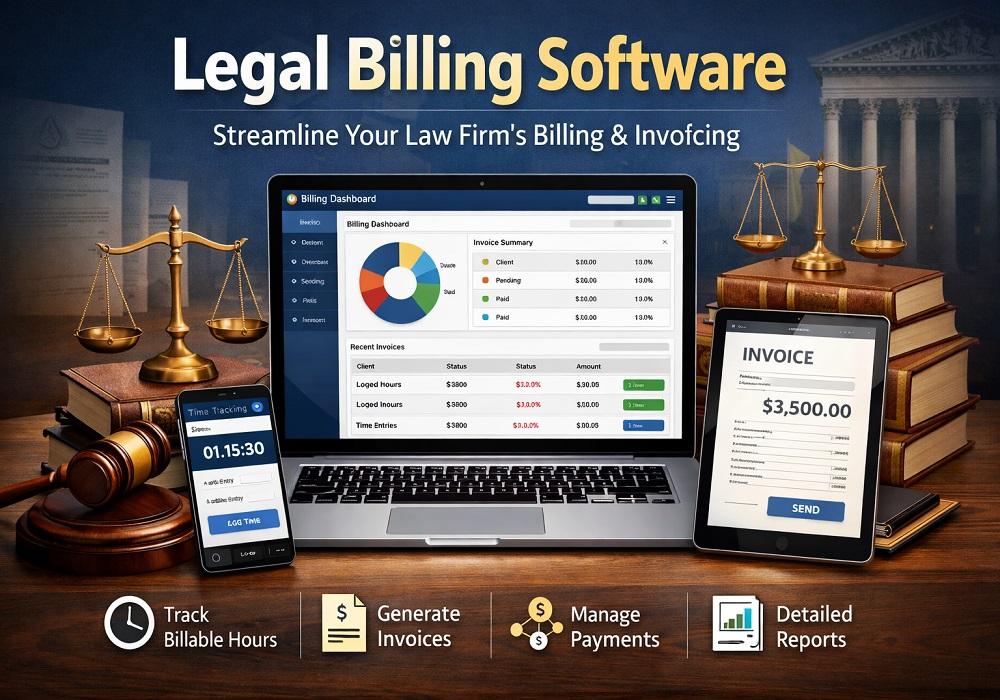
In today’s legal landscape, transparency is no longer a “nice to have”—it’s a client expectation. Law firms are under growing pressure to clearly explain how time is spent, how fees are calculated, and what value clients receive for their investment. When billing feels confusing or opaque, trust erodes quickly.
Digital billing systems—and modern legal billing software in particular—are transforming how firms communicate value, improve accuracy, and strengthen client relationships. By making billing clearer, more accessible, and easier to understand, firms can reduce disputes while increasing long-term client satisfaction.
Why Billing Transparency Matters More Than Ever
Legal clients today are more informed and cost-conscious than ever before. Many compare legal services the same way they evaluate other professional services: through clarity, responsiveness, and fairness.
Lack of transparency often leads to:
-
Client frustration over vague time entries
-
Delayed payments and invoice disputes
-
Strained attorney–client relationships
Regulatory bodies and professional associations such as the American Bar Association also emphasize clear communication around fees and billing practices. Transparent billing isn’t just good business—it’s part of ethical, client-centered law practice.
How Digital Billing Systems Improve Transparency
Digital billing systems replace static, hard-to-read invoices with dynamic, itemized, and accessible billing records. When implemented thoughtfully, they create visibility at every stage of the billing cycle.
1. Clear, Itemized Time Entries
Modern legal billing software allows attorneys to record time in real time with detailed descriptions. Instead of vague entries like “research” or “case work,” clients see precisely what was done and why it mattered.
Example:
A litigation firm switched from manual billing to digital time tracking. By standardizing task descriptions and adding context to each entry, billing disputes dropped by over 30% within six months.
2. Real-Time Access to Billing Information
Many digital billing platforms provide client portals where clients can:
-
View invoices as they are generated
-
Track accrued fees in real time
-
Download supporting documentation
This proactive access eliminates surprises and allows clients to raise questions early—before invoices become a point of tension.
Building Trust Through Consistency and Accuracy
Billing transparency isn’t only about visibility—it’s about consistency and accuracy.
Automated Error Reduction
Manual billing processes are prone to human error, including duplicate entries, missed time, or incorrect rates. Legal billing software automates calculations, applies consistent rate structures, and flags anomalies before invoices are sent.
This accuracy reassures clients that they are being billed fairly and according to agreed terms.
Standardized Billing Formats
Digital systems ensure invoices follow consistent formats that are easy to read and understand. This is especially important for corporate clients who may need invoices to align with internal accounting or compliance standards.
Actionable Tips for Increasing Transparency with Legal Billing Software
To get the most value from digital billing systems, law firms should take a strategic approach:
1. Set Clear Billing Expectations Upfront
Before work begins, explain billing structures, rates, and invoicing frequency. Digital systems make it easy to align invoices with these initial agreements.
2. Use Plain Language in Time Descriptions
Train attorneys to write time entries in client-friendly language. Avoid internal jargon and clearly connect tasks to outcomes.
3. Share Billing Data Proactively
Don’t wait until the end of the month. Use real-time dashboards or interim billing reports to keep clients informed.
4. Invite Feedback
Encourage clients to ask questions about invoices. Transparent systems make it easier to respond quickly and confidently.
The Long-Term Business Impact of Transparent Billing
Firms that invest in transparency don’t just reduce disputes—they gain a competitive advantage. Clients who understand their bills are more likely to:
-
Pay invoices on time
-
Renew engagements
-
Refer others to the firm
In a market where legal services are increasingly commoditized, transparency becomes a differentiator that signals professionalism, integrity, and respect for the client relationship.
Final Thoughts
Increasing client transparency through digital billing systems is not about technology alone—it’s about trust. By leveraging modern legal billing software, law firms can clearly demonstrate value, reduce friction, and build stronger, longer-lasting client relationships.
In an industry built on trust and accountability, transparent billing isn’t just good practice—it’s good business.

 Arabic
 French
 Spanish
 Portuguese
 Deutsch
 Turkish
 Dutch
Dutch
 Italiano
 Russian
 Romaian
 Portuguese (Brazil)
 Greek
Greek
 Bengali