


Mounjaro Injection in Jeddah: A Comprehensive Look at Appetite Control and Weight Management
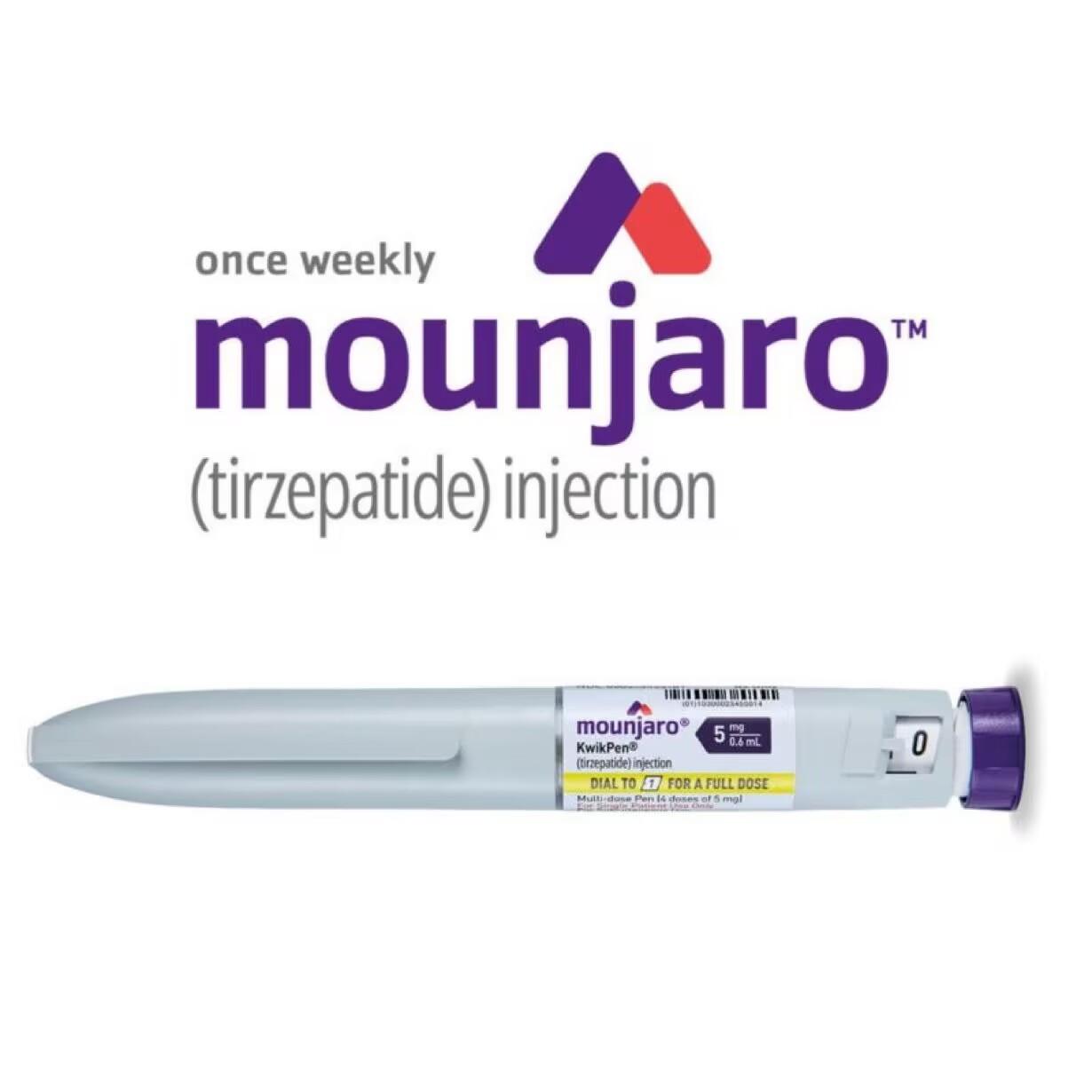
Mounjaro Injection in Jeddah: A Comprehensive Look at Appetite Control and Weight Management
Mounjaro injection in Jeddah has emerged as a notable medical option for eligible adults seeking support for type 2 diabetes and, where appropriately indicated, chronic weight management. The medication contains tirzepatide, an active ingredient that acts on two hormone pathways called GIP and GLP-1. These pathways influence several important processes, including insulin secretion, blood glucose regulation, digestion, appetite, and feelings of fullness.
The growing interest in Mounjaro reflects increasing awareness that body weight and metabolic health are influenced by complex biological processes. For some individuals, lifestyle changes alone may not provide sufficient results. Prescription medication can offer additional support when it is medically appropriate.
However, Mounjaro should never be treated as a quick solution or used without professional guidance. A proper evaluation, individualized dosing, lifestyle support, and ongoing monitoring are important parts of responsible treatment.
What Is Mounjaro?
Mounjaro is a prescription injectable medication containing tirzepatide. It is generally administered once weekly through a subcutaneous injection.
Tirzepatide is a dual GIP and GLP-1 receptor agonist. GIP and GLP-1 are naturally occurring hormones that help the body respond to food.
When tirzepatide activates these receptors, it can increase insulin secretion when blood glucose is elevated, reduce glucagon secretion, slow gastric emptying, and influence appetite.
These combined effects can improve glucose regulation and help some patients reduce food intake.
The Role of Mounjaro in Metabolic Health
Metabolic health involves several factors, including blood glucose, body composition, insulin sensitivity, blood pressure, and other aspects of overall health.
For eligible people with type 2 diabetes, improving blood glucose control is an important treatment objective. Tirzepatide can support this process through its effects on insulin and glucagon.
Its appetite-related effects have also made it an important medication in the field of weight management.
Patients should remember that metabolic health is broader than body weight alone. A comprehensive approach considers nutrition, physical activity, sleep, stress, and other health factors.
Why Appetite Control Matters
One of the major challenges in weight management is persistent hunger.
Some people may follow a structured eating plan but struggle because they frequently feel hungry or find it difficult to feel satisfied after meals.
Tirzepatide can influence appetite and satiety. Some patients may feel full sooner or experience fewer hunger sensations.
This can make it easier to maintain appropriate portions. However, patients still need to consume sufficient nutrients to support their health.
Preparing for Treatment
Before starting Mounjaro injection in Jeddah, an appropriate medical consultation should take place.
The healthcare professional may discuss the patient's:
-
Medical history
-
Current medications
-
Body weight
-
Blood glucose
-
Allergies
-
Previous weight-management efforts
-
Existing health conditions
-
Treatment objectives
This information can help determine whether tirzepatide is appropriate and whether any special precautions are required.
Starting With a Lower Dose
Mounjaro treatment generally begins with a lower dose and can be increased gradually.
This approach allows the body to adjust to the medication and can help improve gastrointestinal tolerability.
Patients should follow the exact treatment plan provided by their healthcare professional. Taking more medication than prescribed can increase the risk of side effects without guaranteeing faster results.
Weekly Treatment Routine
Mounjaro is generally taken once per week.
Patients should follow the instructions provided with the medication regarding injection technique, storage, and missed doses.
Maintaining a consistent schedule can make it easier to remember treatment and support adherence.
Patients should not share injection devices or use medication that has been improperly stored.
Possible Appetite and Dietary Changes
As appetite decreases, patients may naturally begin eating smaller meals.
This can be beneficial when it supports a balanced calorie intake. However, it is important to distinguish reduced appetite from inadequate nutrition.
Meals should still contain appropriate amounts of protein, vegetables, fruits, fiber, and other essential nutrients.
Patients who have difficulty meeting nutritional needs may benefit from professional dietary guidance.
Weight-Loss Expectations
Clinical research has shown significant weight-loss effects with tirzepatide in appropriate populations. However, there is no universal amount of weight that every person will lose.
Results can vary based on treatment dose, duration, starting weight, dietary habits, physical activity, genetics, sleep, and underlying medical conditions.
Some patients may notice changes in appetite before they see substantial changes in body weight. Others may experience a slower response.
Patience and regular professional assessment are therefore important.
Common Side Effects
Gastrointestinal symptoms are among the most frequently reported side effects.
These may include nausea, vomiting, diarrhea, constipation, indigestion, abdominal discomfort, and decreased appetite.
Symptoms may be more prominent when treatment starts or when the dose is increased.
Patients should discuss persistent or severe symptoms with their healthcare professional rather than stopping treatment or changing the dose independently.
Hydration and Digestive Symptoms
Nausea, vomiting, and diarrhea can increase the risk of dehydration.
Patients should maintain appropriate fluid intake and monitor for signs such as dizziness, unusual tiredness, dry mouth, or reduced urination.
Because hot weather can increase fluid loss, people in Jeddah should pay particular attention to hydration when exercising or spending time outdoors.
Mounjaro and Physical Activity
Exercise remains an important part of overall health during treatment.
Walking and other aerobic activities can support cardiovascular fitness. Resistance exercises can help preserve strength and muscle mass.
A balanced exercise program can complement nutritional improvements and medication-based appetite management.
Patients should choose activities that are appropriate for their health and physical ability.
Important Safety Information
Mounjaro is not appropriate for everyone.
It should not be used by people with a personal or family history of medullary thyroid carcinoma or by individuals with Multiple Endocrine Neoplasia syndrome type 2.
People with other medical conditions should disclose their complete health history before starting treatment.
Patients taking insulin or certain other diabetes medications may require additional monitoring because combining treatments can increase the risk of hypoglycemia.
Pregnancy Considerations
People who are pregnant or planning pregnancy should discuss tirzepatide with a healthcare professional before using it.
Weight-loss treatment is generally not appropriate during pregnancy, and medication decisions during this period should be individualized.
Anyone planning pregnancy should discuss treatment timing and alternatives with their healthcare provider.
Choosing Mounjaro Injection in Jeddah
Patients searching for Mounjaro injection in Jeddah should prioritize safety and professional care.
Prescription injectable medicines should be obtained through legitimate healthcare and pharmaceutical channels. Products purchased from unknown sellers may have uncertain authenticity, storage conditions, or expiration dates.
Patients should also be cautious about advertisements that promise guaranteed weight loss or unusually rapid results.
Combining Medication With Lifestyle Changes
Mounjaro can be most effective as part of a comprehensive approach.
Healthy eating, regular physical activity, adequate sleep, and stress management can all contribute to long-term metabolic health.
Patients can use improved appetite control as an opportunity to establish sustainable routines rather than relying entirely on medication.
Monitoring During Treatment
Regular follow-up allows healthcare professionals to evaluate treatment progress.
Monitoring may include weight, blood glucose, side effects, medication adherence, and other relevant health indicators.
If the patient experiences significant side effects or does not achieve the expected response, the treatment plan can be reviewed.
Conclusion
Mounjaro injection in Jeddah is a modern prescription option that can support metabolic health for eligible patients. Its active ingredient, tirzepatide, works through GIP and GLP-1 pathways, influencing blood glucose regulation, insulin response, appetite, and digestion.
The medication can provide meaningful benefits, but safe treatment requires appropriate medical assessment and supervision. Patients should follow the prescribed dosage, maintain balanced nutrition, stay appropriately active, monitor potential side effects, and attend recommended follow-up appointments.
Mounjaro should be viewed as one component of a broader health strategy rather than a shortcut. With responsible medical use and sustainable lifestyle changes, it may help eligible individuals work toward better metabolic health and long-term weight-management goals.

 Arabic
 French
 Spanish
 Portuguese
 Deutsch
 Turkish
 Dutch
Dutch
 Italiano
 Russian
 Romaian
 Portuguese (Brazil)
 Greek
Greek
 Bengali