


A Practical Guide to Managing EPR Compliance in Rajasthan
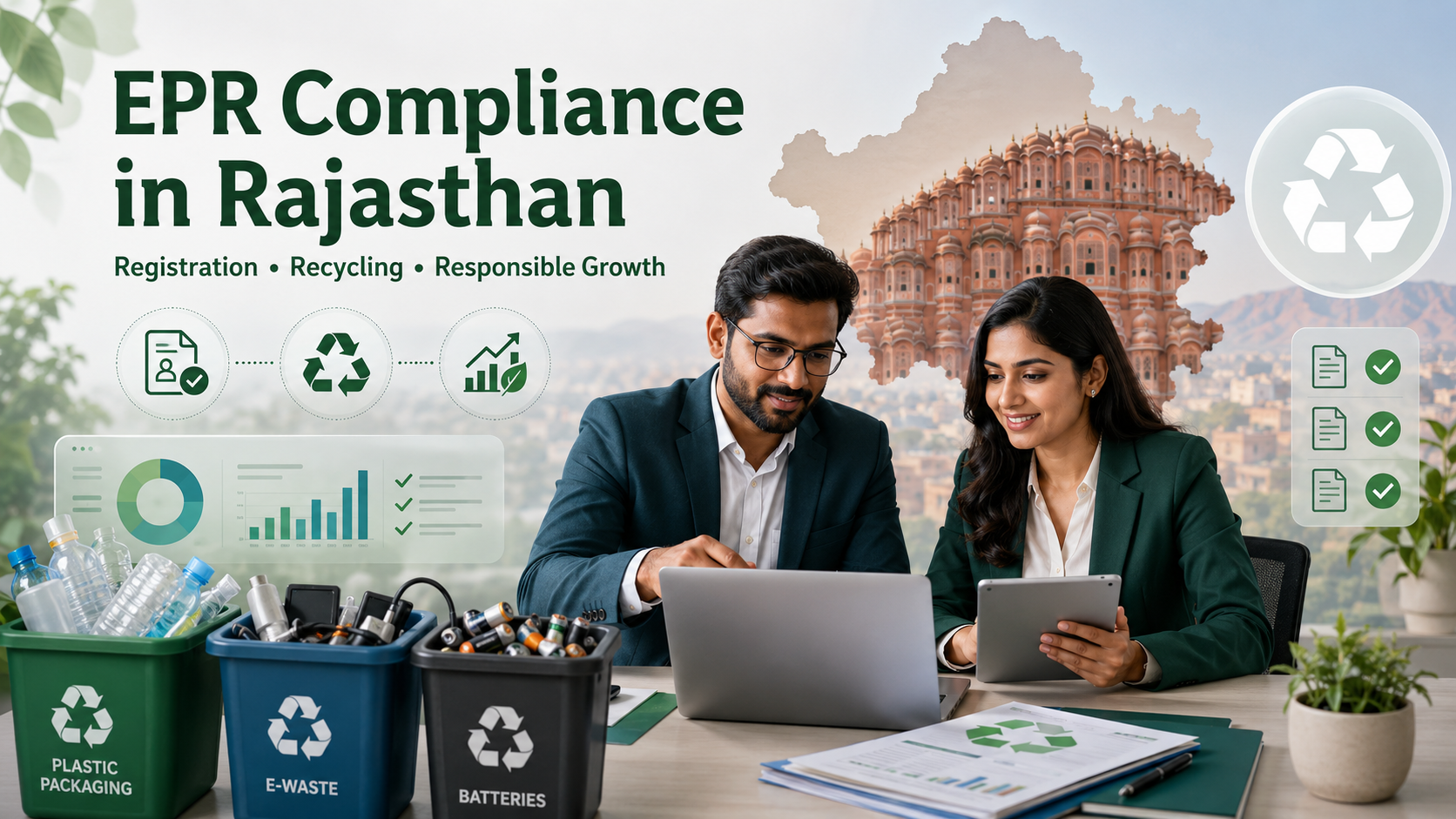
A growing electronics distributor in Jaipur recently discovered that expanding sales involved more than finding customers and managing deliveries. The business also needed to understand its responsibilities for collecting, recycling and reporting certain categories of waste. Situations like this often lead companies to consult an EPR Consultant in Rajasthan for help understanding their environmental obligations.
Extended Producer Responsibility, commonly known as EPR, places responsibility on certain businesses for managing the environmental impact of their products and packaging after consumer use. Understanding the process early can help companies avoid confusion and build a more organised compliance strategy.
What Is Extended Producer Responsibility?
Extended Producer Responsibility is a regulatory approach that assigns certain waste-management responsibilities to businesses involved in producing, importing or placing specified products and packaging on the market.
Depending on their activities and applicable regulations, companies may need to register, maintain records, meet recycling or recovery targets and submit required information through relevant government portals.
EPR obligations can apply across several waste categories, including:
- Plastic packaging.
- Electrical and electronic equipment.
- Batteries.
- Waste tyres.
- Other product or waste streams covered by applicable regulations.
The exact requirements depend on the business category, product type, operational scale and rules governing that particular waste stream.
Why Businesses in Rajasthan Should Pay Attention
Rajasthan has an active industrial and commercial landscape, with businesses operating across manufacturing, distribution, packaging, consumer goods, electronics and other sectors.
A company may assume that waste-management obligations apply only to large manufacturers. However, depending on the applicable rules, importers, brand owners and other businesses may also have responsibilities.
Identifying those responsibilities before expanding operations can help prevent avoidable administrative problems later.
How to Determine Whether Your Business Needs Registration
Before beginning EPR Registration in Rajasthan, businesses should first identify the category under which they operate.
For example, a company importing electronic devices may face different requirements from a business selling packaged consumer goods. Similarly, battery-related obligations may differ from those connected with plastic packaging.
Review Your Products and Packaging
Start by creating an organised list of the products your company manufactures, imports, sells or distributes.
Record information such as packaging materials, product categories, annual quantities and business locations. This helps clarify whether your operations fall within a regulated category.
If you sell products under your own brand, examine whether the packaging or product components create obligations under the relevant framework.
An experienced EPR Consultant can help interpret these details and identify which registrations or reporting requirements may apply.
Identify the Appropriate Portal
Different waste categories may involve different registration processes or designated online systems.
Before submitting documents, confirm that you are using the appropriate portal for your business category and waste stream. Businesses should also verify whether their operations require registration at the central level, the state level or another applicable level.
Requirements can change, so rely on current official instructions rather than outdated checklists or informal advice.
Documents Commonly Required for Registration
Although documentation varies by business category, companies generally benefit from keeping their operational and identification records organised.
Commonly requested information may include:
- Business registration documents.
- Permanent Account Number details.
- Goods and Services Tax registration information, where applicable.
- Details of the authorised person.
- Business address and contact information.
- Product or packaging information.
- Relevant sales, import or production records.
- Additional declarations or authorisations required for the specific category.
Incomplete records can slow the application process and create unnecessary back-and-forth.
Maintain Consistency Across Documents
A frequent source of delay is inconsistency between business records. For example, the company name listed on one document may not exactly match the name used in another registration.
Before submitting an application, review addresses, authorised-person details and identification numbers carefully.
For businesses unfamiliar with the process, this resource on EPR compliance and registration support for Rajasthan businesses can help explain the broader steps involved.
What an EPR Certificate Represents
An EPR Certificate is commonly understood as documentation connected to registration or compliance under an applicable EPR framework. However, its precise meaning depends on the waste category, portal and regulatory process involved.
In some situations, businesses may receive registration documentation that confirms their status under a relevant framework. In others, certificates associated with recycling or processing activities may help demonstrate progress toward applicable obligations.
These documents should not be treated as interchangeable without checking the relevant rules.
Registration Does Not End the Compliance Process
Receiving registration approval is often only one part of the wider responsibility.
Depending on the applicable framework, businesses may also need to maintain records, submit reports, track collection or recycling activity and meet specified targets over time.
A company that receives an EPR Certificate but neglects its ongoing responsibilities may still encounter compliance difficulties.
Understanding EPR Fulfillment
EPR Fulfillment generally refers to the practical steps a business takes to meet its applicable waste-management obligations.
These steps can include identifying required targets, working with authorised recyclers or processors, maintaining transaction records and documenting the handling of relevant waste.
The specific approach depends on the type of product or packaging involved.
Work With Appropriate Recycling Partners
Businesses should confirm that any recycler, processor or waste-management partner is properly authorised or registered for the relevant activity.
Ask potential partners for supporting documentation and verify whether their services match the waste category you need to address.
For example, an electronics-related compliance requirement should not automatically be treated the same way as a plastic-packaging obligation.
Keep Clear Operational Records
Effective EPR Fulfillment depends on reliable documentation.
Maintain records of product quantities, packaging volumes, recycling arrangements, certificates and any relevant portal submissions. Organised records make it easier to review progress and respond to requests for clarification.
A practical approach is to assign internal responsibility for collecting and updating this information rather than waiting until a reporting deadline approaches.
Common Mistakes Businesses Should Avoid
One frequent mistake is assuming that registration alone covers every environmental obligation. Another is waiting until the end of a reporting period to organise documents or confirm targets.
Businesses also sometimes underestimate the importance of updating company details when authorised personnel or contact information changes.
Other preventable problems include selecting the wrong registration category, relying on unverified service providers and failing to maintain evidence of recycling arrangements.
An EPR Consultant can help identify these gaps, but businesses should still understand their own responsibilities and maintain access to relevant records.
Build a Sustainable Compliance Routine
A reliable compliance process should be integrated into everyday business operations.
Start by reviewing your product categories and identifying the applicable rules. Complete EPR Registration in Rajasthan where required, maintain accurate documentation and establish a clear schedule for reviewing ongoing obligations.
Coordinate regularly with authorised recycling partners and keep your internal team informed about relevant reporting requirements.
Most importantly, verify current instructions through the appropriate government authorities and seek professional advice when your obligations are unclear.
For businesses across Rajasthan, responsible waste management is not simply an administrative exercise. It supports better operational planning, stronger accountability and a more sustainable approach to handling products after consumer use.

 English
 French
 Spanish
 Portuguese
 Deutsch
 Turkish
 Dutch
Dutch
 Italiano
 Russian
 Romaian
 Portuguese (Brazil)
 Greek
Greek
 Bengali