


Hair Transplant in Dubai for Receding Hairlines
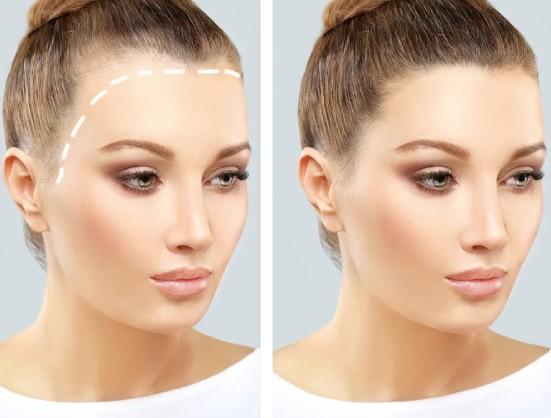
A receding hairline can gradually change the overall appearance of the face. Many people first notice small changes around the temples before the recession becomes more visible across the frontal scalp. Although hairstyles and hair products may temporarily conceal thinning, they cannot restore lost follicles.
For suitable candidates, a Hair Transplant in Dubai can offer a long-term approach to improving the appearance of a receding hairline. Modern hair restoration focuses on carefully transferring healthy follicles from a donor area to areas where hair density has decreased.
The goal is not simply to add more hair. A successful restoration should create a hairline that looks natural, suits the person's facial features, and remains appropriate as they age. Careful assessment, realistic expectations, and proper aftercare are therefore important parts of the process.
What Causes a Receding Hairline?
A receding hairline can occur for several reasons. Male pattern hair loss is one of the most common causes and is often influenced by genetics and hormonal sensitivity. It may begin around the temples and gradually progress toward the central frontal area.
Other factors can sometimes contribute to hairline changes, including:
- Family history of hair loss
- Hormonal changes
- Certain medical conditions
- Nutritional deficiencies
- Scalp disorders
- Repeated tension from hairstyles
- Previous injury or scarring
Because different causes require different approaches, identifying the reason for hair loss is an important first step.
How Can Hair Transplantation Restore a Receding Hairline?
Hair transplantation involves taking healthy hair follicles from a suitable donor region and placing them into areas affected by permanent hair loss.
The back and sides of the scalp are commonly considered donor regions because the follicles in these areas can be more resistant to the processes associated with pattern hair loss.
Once transplanted, the follicles can continue producing hair according to their natural characteristics. The result is intended to blend with existing hair rather than look like a separate layer.
Why Hairline Design Is So Important
The hairline is one of the most visible parts of the face. Even small differences in its shape or position can affect overall appearance.
A well-planned hairline should consider:
Facial Proportions
The hairline should complement the forehead, face shape, and other facial features. A design suitable for one individual may not be appropriate for another.
Age
Creating an excessively low hairline may look unnatural as a person gets older. A mature, age-appropriate design is generally more practical for long-term appearance.
Existing Hair
The transplanted area needs to blend with surrounding hair. The transition should look gradual instead of creating an obvious border.
Future Hair Loss
Hair loss can continue after transplantation. Planning for potential future thinning helps preserve a balanced appearance.
Common Hair Transplant Techniques
FUE Hair Transplant
Follicular Unit Extraction, or FUE, involves extracting individual follicular units from the donor area. These grafts are then placed into carefully prepared recipient sites.
Because follicles are extracted individually, FUE does not create a single linear scar associated with traditional strip harvesting.
DHI Hair Transplant
Direct Hair Implantation, commonly known as DHI, uses specialized implantation instruments to place individual follicles into recipient areas.
This approach can provide detailed control over the angle and direction of implanted hairs.
FUT Hair Transplant
Follicular Unit Transplantation involves removing a strip of scalp containing hair follicles. The tissue is then divided into individual grafts for transplantation.
The appropriate technique depends on the individual's donor characteristics, hair-loss pattern, goals, and professional assessment.
What Happens During the Procedure?
The process usually begins with preparation of the scalp and administration of local anesthesia. The donor follicles are then carefully harvested using the selected technique.
After preparation, grafts are positioned in the recipient area. Particular attention is generally given to the frontal hairline because it is highly visible.
The angle, direction, spacing, and density of the grafts can all influence how natural the final result appears.
Recovery After Hair Transplantation
The recovery experience varies from person to person. Temporary redness, mild swelling, tenderness, and small crusts can occur around the treated areas.
Patients should follow their individualized aftercare instructions carefully. The scalp may need to be handled gently during the early healing period, and certain physical activities may need to be temporarily restricted.
It is important not to judge the final outcome immediately after treatment. Hair restoration is a gradual biological process.
Does Transplanted Hair Shed?
Temporary shedding of transplanted hair can occur during the early stages after treatment. This can be concerning if you are expecting immediate growth, but shedding does not necessarily mean the follicle has been lost.
The follicle can remain within the scalp while the hair moves through its natural growth cycle. New growth can appear gradually afterward.
When Will New Hair Become Visible?
Hair growth takes time. Early changes may be subtle, and newly growing hairs can initially appear fine or uneven.
As the growth cycle progresses, the hair can become thicker and more mature. The timeline differs between individuals, so patience is essential.
How to Maintain a Natural Result
A transplant restores follicles to selected areas, but it does not automatically prevent untreated hair from thinning in the future.
Long-term hair care may therefore be important. Depending on the cause of hair loss, a professional may recommend suitable strategies for maintaining existing hair.
You can also support overall scalp health by following gentle hair-care practices, maintaining a balanced diet, and avoiding unnecessary scalp irritation.
Who May Be Suitable for Hair Transplantation?
A person may be considered for transplantation when hair loss is permanent, the donor area contains sufficient healthy follicles, and expectations are realistic.
People experiencing temporary shedding may need to identify and address the underlying cause before considering a transplant.
A professional evaluation is essential because hair-loss patterns and donor availability differ from person to person.
Questions to Ask Before Treatment
Before choosing a hair restoration procedure, consider discussing:
- What is causing my receding hairline?
- Is my hair loss stable enough for transplantation?
- Do I have sufficient donor follicles?
- Which technique is suitable for me?
- How should my new hairline be designed?
- What can I realistically expect from treatment?
- How long should recovery take?
- Could untreated hair continue thinning?
- What aftercare will be required?
Getting clear answers can help you approach treatment with realistic expectations.
Why Personalized Treatment Matters
There is no universal hairline that works for everyone. The number of grafts, placement pattern, hairline position, and treatment technique should be adapted to individual needs.
A personalized approach also helps conserve donor follicles. Since donor hair is limited, using it strategically can be important for both present and future restoration needs.
Conclusion
A receding hairline can have a significant effect on facial appearance and confidence, but modern hair restoration provides suitable candidates with a long-term option for improving hair coverage. Hair transplant in Dubai can be planned around individual hair-loss patterns, donor availability, facial proportions, and long-term goals.
The key to natural-looking restoration is thoughtful hairline design rather than simply adding a large number of grafts. Proper technique selection, careful follicle placement, appropriate aftercare, and patience during the growth process all contribute to the overall experience. Tajmeels clinic can help individuals explore personalized hair restoration options and understand what may be suitable for their specific concerns.

 English
 Arabic
 French
 Spanish
 Portuguese
 Deutsch
 Turkish
 Dutch
Dutch
 Italiano
 Romaian
 Portuguese (Brazil)
 Greek
Greek
 Bengali