


Panel LED Light Guide for Efficient Modern Lighting
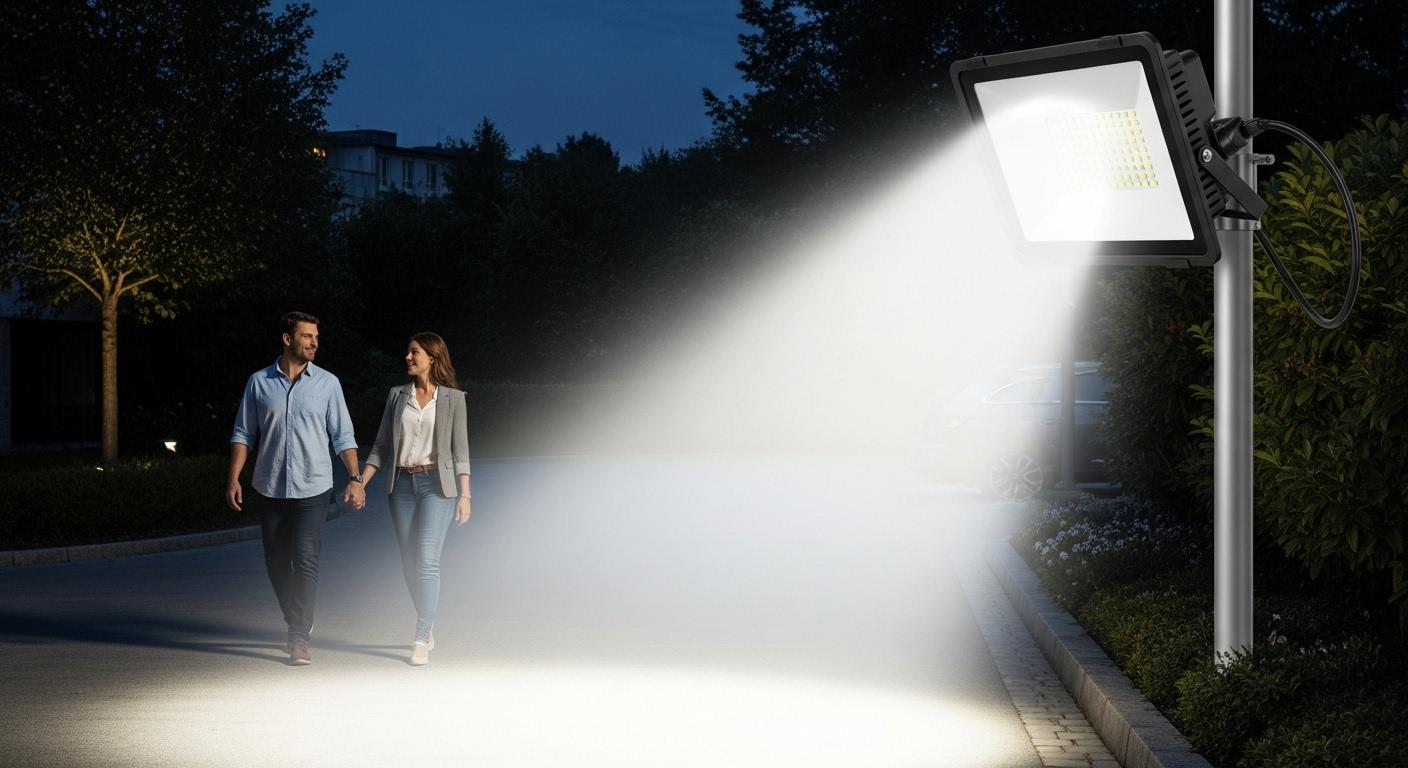
Panel Led Lights have become a popular lighting solution for offices, schools, hospitals, retail stores, commercial buildings, and modern homes. Their slim design, even illumination, and efficient operation make them a practical alternative to traditional fluorescent fixtures. Whether you are upgrading an existing lighting system or planning a new installation, choosing the right Panel LED Light can improve both the appearance and functionality of a space.
What Is a Panel LED Light?
A Panel LED Light is a flat lighting fixture that uses light-emitting diodes to produce illumination across a broad surface. Unlike traditional bulbs that concentrate light in a smaller area, LED panels are designed to distribute light more evenly.
Most panel lights feature a slim frame, a diffuser, an LED light source, and a driver. They can be installed in suspended ceilings, recessed ceilings, or surface-mounted applications, depending on the design.
Their clean appearance makes them especially suitable for spaces where a professional and uncluttered ceiling is preferred.
Why Choose Panel LED Lights?
One of the biggest advantages of LED panel lighting is energy efficiency. LED technology generally uses less electricity than older fluorescent lighting while providing strong illumination. This can help businesses and property owners manage lighting costs over time.
Another important benefit is consistent light distribution. A well-designed panel can reduce harsh shadows and provide comfortable illumination across desks, walkways, counters, and other working areas.
Panel LED lights also have a modern appearance. Their flat profile blends naturally with contemporary ceilings and interior designs, making them suitable for both functional and aesthetic lighting requirements.
Key Benefits of Panel LED Lighting
Energy Efficient Operation
LED panels are designed to provide substantial illumination while consuming relatively low electrical power. For offices and commercial facilities with lights operating for many hours each day, efficient fixtures can contribute to better energy management.
Replacing older fluorescent fixtures with LED panels may also reduce the need for frequent lighting upgrades.
Long Service Life
Quality LED panels can provide a long operating life when properly installed and maintained. LEDs do not typically require frequent bulb replacement because the light source is integrated into the fixture.
Longer service intervals can be especially useful in commercial environments where replacing ceiling fixtures can interrupt normal operations.
Uniform Illumination
Panel lights are designed to spread light across a wide area. This makes them useful for workplaces, classrooms, healthcare environments, meeting rooms, corridors, and retail spaces.
Uniform illumination can make a room feel brighter and more comfortable without relying on multiple small light sources.
Slim and Modern Design
The thin construction of LED panels gives ceilings a clean and contemporary appearance. Their low-profile design is particularly useful in spaces where traditional bulky fixtures would look outdated or take up unnecessary visual space.
Lower Maintenance Requirements
Because LED panels have long service lives, maintenance requirements can be reduced. This can save time for facility managers who need to maintain lighting across large buildings.
Common Applications of Panel LED Lights
Panel LED lighting is suitable for many different environments.
Offices
Offices require lighting that supports reading, computer work, meetings, and general productivity. LED panels can provide broad illumination across workstations while maintaining a professional interior appearance.
Different color temperatures can be selected depending on the desired atmosphere. Neutral or cool white lighting is commonly considered suitable for work environments.
Schools and Classrooms
Classrooms need clear and consistent lighting for students and teachers. Panel LEDs can illuminate desks and teaching areas evenly, helping create a well-lit learning environment.
Their flat design can also complement modern classroom ceilings.
Hospitals and Healthcare Facilities
Healthcare environments require reliable and consistent lighting. LED panels can be used in reception areas, corridors, administrative offices, examination areas, and other suitable spaces.
The appropriate fixture should always be selected according to the lighting requirements and regulations of the specific healthcare application.
Retail Stores
Retail lighting can influence how products and displays appear. Panel LED lights can provide general ambient illumination throughout stores while maintaining a clean ceiling design.
They can also be combined with other lighting types to create specific focal areas.
Homes
Although panel LEDs are widely used in commercial buildings, they can also be installed in residential spaces. Kitchens, home offices, hallways, living areas, and other rooms may benefit from their slim appearance and broad light distribution.
Different Types of Panel LED Lights
Panel LED lights are available in different shapes, sizes, installation methods, and specifications.
Recessed LED Panels
Recessed panels are installed into compatible ceiling spaces so that the fixture sits neatly within the ceiling. They are commonly used in offices, educational facilities, commercial buildings, and modern interiors.
Surface Mounted LED Panels
Surface-mounted panels are installed directly onto the ceiling surface. They can be useful where there is not enough ceiling space for recessed installation.
Suspended LED Panels
Suspended panels hang below the ceiling using mounting cables or similar hardware. This style can be particularly effective in offices and contemporary commercial interiors.
Square LED Panels
Square panels are available in several dimensions and can work well in rooms with standard ceiling layouts.
Rectangular LED Panels
Rectangular designs can be useful for longer workspaces, corridors, classrooms, and areas where a different fixture proportion is preferred.
Important Specifications to Consider
Choosing the correct Panel LED Light involves more than selecting a fixture based on appearance. Several technical specifications should be considered.
Wattage
Wattage indicates the electrical power consumed by the fixture. Higher wattage does not automatically mean better lighting. The correct wattage depends on room size, ceiling height, required brightness, and the number of fixtures.
Lumens
Lumens measure the amount of visible light produced by a fixture. When comparing LED panels, checking lumens can provide a better understanding of brightness than wattage alone.
Color Temperature
Color temperature affects the appearance of the light.
Warm white creates a softer atmosphere and can be suitable for relaxing environments. Neutral white provides a balanced appearance, while cool white can create a brighter and more task-focused environment.
The right choice depends on the room's purpose and design.
Color Rendering
Color Rendering Index, commonly known as CRI, indicates how naturally colors appear under a light source. Higher CRI lighting can be beneficial in environments where accurate color appearance is important.
Size
Panel size should match the ceiling layout and available installation area. Measuring the existing opening before purchasing a replacement panel can help avoid installation problems.
Dimming Capability
Some LED panels support dimming, allowing users to adjust brightness according to changing needs. If dimming is required, make sure the panel and compatible driver support the selected dimming system.
How to Select the Right Panel LED Light
Start by identifying the purpose of the space. An office, classroom, retail store, warehouse administration area, and home may require different lighting characteristics.
Next, consider the room dimensions and ceiling height. Larger rooms may require multiple panels to achieve consistent illumination.
The installation method is another important factor. Determine whether the existing ceiling supports recessed, surface-mounted, or suspended installation.
It is also useful to review the fixture's lumens, wattage, color temperature, CRI, beam distribution, driver specifications, and expected operating life.
For large commercial projects, a lighting professional can help calculate the number and placement of fixtures needed for appropriate illumination.
Installation and Maintenance
Proper installation is important for the safe and reliable operation of LED panel lights. Electrical work should be completed by a qualified professional according to applicable local requirements.
Before installation, verify the fixture dimensions, electrical specifications, ceiling compatibility, and driver requirements.
Maintenance is generally straightforward. Dust and debris can accumulate on visible surfaces over time, so cleaning the fixture with an appropriate dry or slightly damp cloth can help maintain its appearance. Power should be switched off before cleaning or servicing.
If a panel begins flickering, becomes unusually dim, or stops operating, the driver, electrical connection, or fixture itself may require inspection.
Panel LED Lights Compared With Traditional Fluorescent Fixtures
Traditional fluorescent fixtures have been widely used in offices and commercial buildings for decades. However, LED panels offer several advantages for modern lighting upgrades.
LED technology can provide efficient operation, long service life, instant illumination, and a slim fixture design. LED panels also eliminate the need for the same type of fluorescent tube replacement associated with older systems.
For facilities considering a lighting upgrade, the total cost should be evaluated by considering energy consumption, maintenance, installation, fixture quality, and expected operating hours.
Design Considerations for Commercial Spaces
Lighting should complement the overall design of a building. A well-planned LED panel layout can create a balanced ceiling pattern while providing adequate illumination.
In offices, panels can be positioned to illuminate workstations effectively. In classrooms, fixture placement can support even coverage across desks. In retail environments, panels can provide general lighting while additional fixtures highlight merchandise.
Spacing should not be selected randomly. The required layout depends on fixture output, ceiling height, room dimensions, surface reflectance, and the intended lighting level.
The Future of LED Panel Lighting
LED technology continues to develop, giving buyers more options for commercial and residential lighting projects. Modern panels can include improved optical designs, better drivers, dimming functions, smart controls, and different color temperature options.
Smart lighting systems can provide additional control over brightness and scheduling. In larger buildings, lighting controls may also help manage energy consumption by adjusting illumination according to occupancy or operating schedules.
As energy efficiency and modern building design remain important considerations, LED panel lighting is likely to remain a practical choice for many applications.
Final Thoughts
Panel LED Lights combine efficient lighting technology with a slim, modern design. Their broad illumination, long operating life, flexible installation options, and relatively low maintenance requirements make them suitable for offices, schools, healthcare facilities, retail stores, commercial buildings, and residential spaces.
When selecting a panel, consider lumens, wattage, color temperature, CRI, dimensions, installation type, dimming compatibility, driver quality, and the requirements of the space. Choosing the right specifications and installing the fixtures correctly can help create a comfortable, efficient, and visually appealing lighting environment.

 Arabic
 French
 Spanish
 Portuguese
 Deutsch
 Turkish
 Dutch
Dutch
 Italiano
 Russian
 Romaian
 Portuguese (Brazil)
 Greek
Greek
 Bengali