


Breast Augmentation in Islamabad: Everything You Need to Know About the Procedure
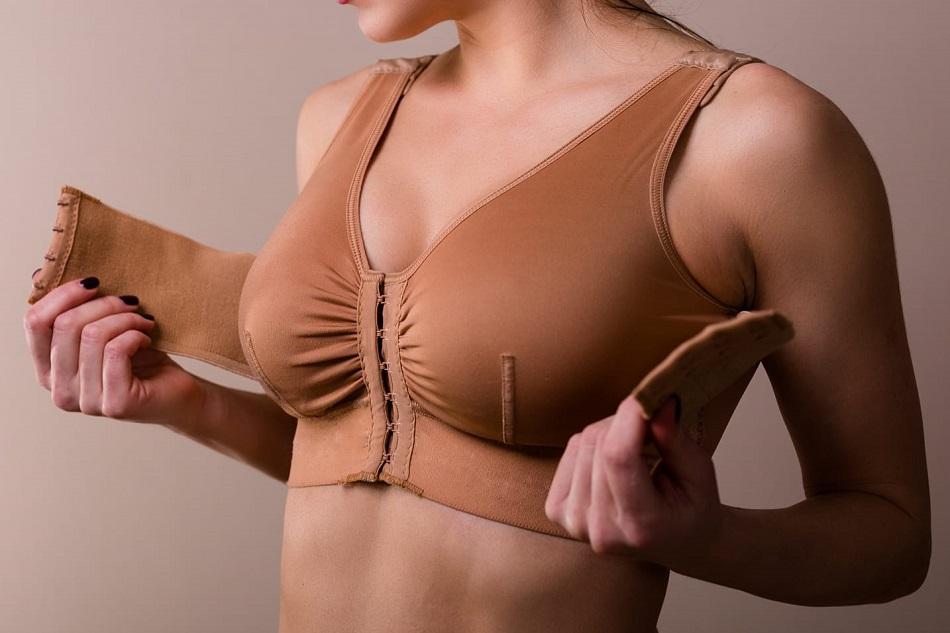
Breast augmentation is a cosmetic surgical procedure designed to increase breast size, improve breast shape, and create better overall body proportions. Women may consider it because of naturally small breasts, changes after pregnancy or breastfeeding, weight fluctuations, or differences in breast size. Breast Augmentation in Islamabad has become an option for women seeking a more balanced and proportionate appearance through a carefully planned surgical procedure.
What Is Breast Augmentation?
Breast augmentation, also called augmentation mammoplasty, involves placing an implant beneath the breast tissue or chest muscle to increase breast volume. Implants are generally available as saline-filled or silicone gel-filled devices, with different sizes, shapes, and surface characteristics.
The procedure is not intended to create one specific appearance for every patient. Implant selection and placement are typically customized according to the patient's existing breast tissue, chest shape, body proportions, and aesthetic goals.
Why Do Women Consider Breast Augmentation?
There are several reasons someone may choose breast augmentation. Some women want to increase breast volume because their breasts have naturally developed with less fullness. Others may experience a noticeable change in breast size or shape following pregnancy, breastfeeding, weight loss, or aging.
Breast augmentation may also be considered when there is a difference in breast size. However, implants do not necessarily correct every type of asymmetry, and additional procedures may sometimes be recommended depending on the individual situation.
Types of Breast Implants
Two broad categories of breast implants are saline-filled and silicone gel-filled implants. Both have an outer silicone shell, but their internal filling differs. Implants can also vary in shape, size, shell characteristics, and profile.
Choosing an implant should not be based simply on selecting the largest possible size. A qualified surgeon should assess breast tissue, skin quality, chest dimensions, and the patient's desired outcome before recommending an appropriate option.
How Is the Procedure Performed?
Before surgery, the patient usually has a consultation to discuss medical history, expectations, implant options, placement, incision location, and potential risks. The surgeon may also take measurements and assess the existing breast shape.
Breast implant surgery is generally performed under anesthesia and can take one to several hours depending on the procedure and individual circumstances. The implant is placed either beneath the breast tissue or beneath the chest muscle, depending on factors such as anatomy and the surgical plan.
Recovery After Breast Augmentation
Recovery varies from person to person. Patients commonly experience temporary swelling, bruising, tightness, and discomfort following surgery. These symptoms generally improve as healing progresses.
Your surgeon will provide specific instructions regarding wound care, medications, physical activity, supportive garments, and follow-up appointments. Strenuous exercise and heavy lifting may need to be avoided for a period recommended by the surgical team.
It is important to remember that the final appearance may not be immediately visible because swelling and tissue healing can affect breast shape during the early recovery period.
Risks and Possible Complications
Like any surgery, breast augmentation carries potential risks. These can include infection, bleeding, pain, changes in nipple or breast sensation, asymmetry, scarring, implant movement, rupture, and capsular contracture. Capsular contracture occurs when scar tissue surrounding an implant becomes tight and may cause firmness or discomfort.
Breast implants are also not considered lifetime devices. Over time, some patients may require additional surgery because of complications, implant changes, removal, or replacement.
Patients should also discuss long-term monitoring and rare implant-associated conditions with their healthcare provider before making a decision.
Choosing the Right Surgeon in Islamabad
Choosing a qualified and experienced plastic surgeon is an important part of the process. During consultation, ask about the surgeon's experience with breast augmentation, the implant options available, expected results, possible complications, recovery, and long-term follow-up.
A good consultation should also involve realistic expectations. The goal should be an outcome that suits your anatomy and personal preferences rather than simply achieving a particular cup size.
Frequently Asked Questions
Is breast augmentation painful?
Some discomfort, tightness, swelling, and soreness can occur after surgery. Your surgical team can provide appropriate pain-management and recovery instructions.
How long do breast implants last?
Breast implants are not lifetime devices, and their longevity varies between individuals. Some patients may eventually require implant replacement or removal.
Can breast augmentation correct uneven breasts?
It may improve breast asymmetry, but the extent of correction depends on the underlying difference in breast size, shape, tissue, and chest anatomy.
Can I breastfeed after breast augmentation?
Many women may be able to breastfeed after breast augmentation, but individual outcomes can vary depending on the surgical technique and other factors. Discuss future pregnancy and breastfeeding plans with your surgeon before surgery.
When can I return to normal activities?
Recovery times vary. Your surgeon will advise when you can resume work, exercise, lifting, and other activities based on your healing progress.
Final Thoughts
Breast augmentation can help improve breast volume and overall body proportions when carefully planned according to an individual's anatomy and goals. Understanding implant choices, the surgical process, recovery, potential complications, and long-term considerations is essential before proceeding. If you are considering Breast Augmentation in Islamabad, schedule a detailed consultation with a qualified healthcare professional to determine whether the procedure is appropriate for you and to develop a personalized treatment plan.

 Arabic
 French
 Spanish
 Portuguese
 Deutsch
 Turkish
 Dutch
Dutch
 Italiano
 Russian
 Romaian
 Portuguese (Brazil)
 Greek
Greek
 Bengali