


Body Contouring Treatment in Islamabad: How Posture Can Influence the Appearance of Body Shape
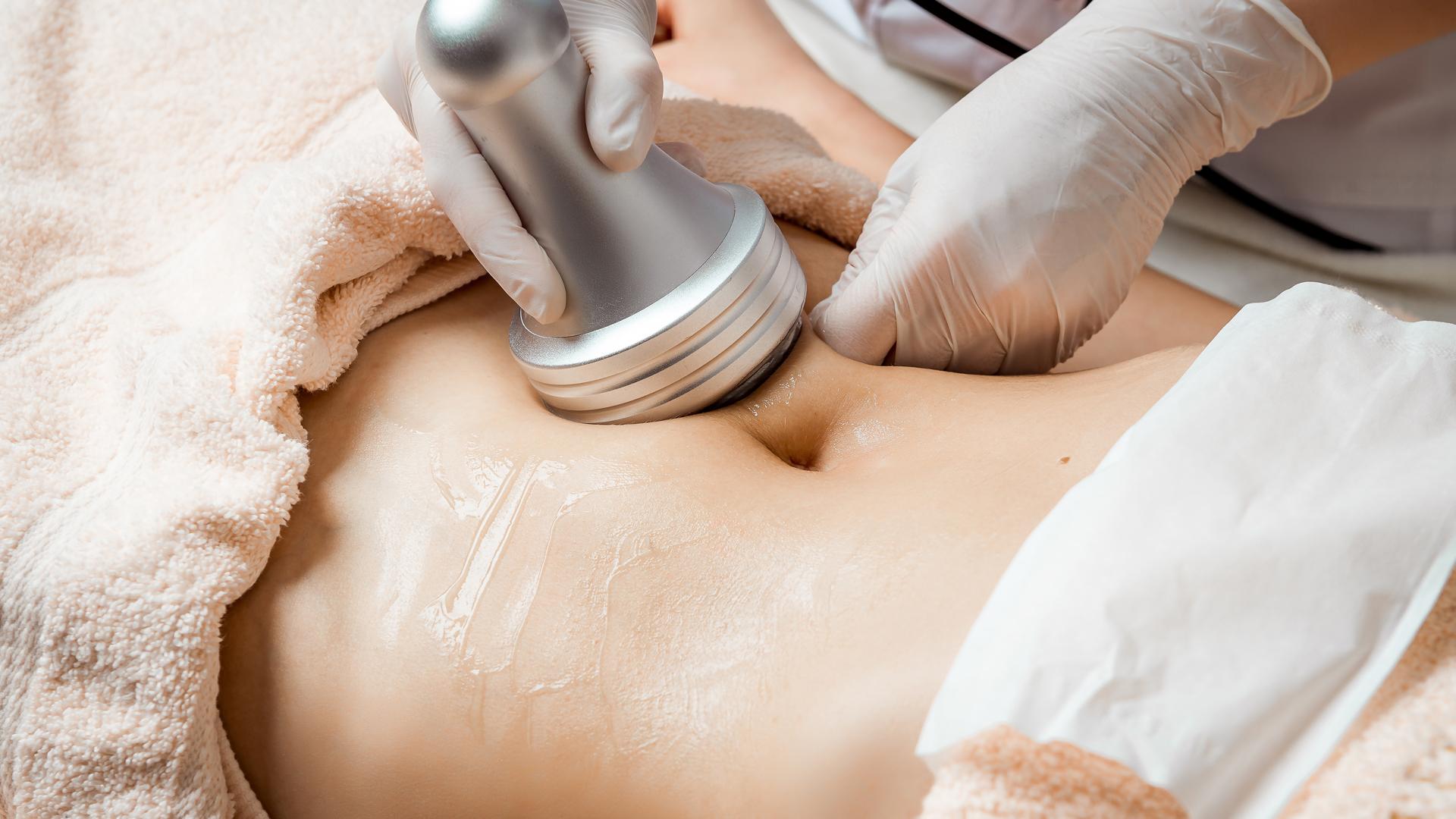
Posture can significantly influence how the body looks in everyday life. The way you stand, sit, and move can change the appearance of the abdomen, waist, hips, and back, sometimes making certain areas appear fuller or less defined than they actually are. For people considering Body Contouring Treatment in Islamabad, understanding the relationship between posture and body shape can help create more realistic expectations and a more personalized treatment plan.
How Posture Changes the Appearance of Body Shape
Body shape is not determined only by fat distribution or skin quality. Posture also affects the way different areas align with one another.
For example, standing with the pelvis tilted forward can make the abdomen appear more prominent while increasing the curve of the lower back. Similarly, rounded shoulders may make the upper back look broader and alter the visual balance between the chest, waist, and hips.
These changes do not necessarily mean that a person has excessive fat. Instead, they can be the result of how muscles, bones, skin, and soft tissues are positioned.
Why Posture Matters During Body Contouring Assessment
A professional assessment should consider the body from multiple angles rather than focusing on one isolated area. A practitioner may evaluate the abdomen, waist, flanks, hips, thighs, and back to understand how they relate to one another.
Posture can reveal differences that may not be obvious when a person is lying down or standing in a fixed position.
For example, an abdominal area may look relatively flat from the front but appear more prominent from the side. Likewise, changes in posture may make waist definition appear stronger or weaker.
This broader assessment helps determine whether the desired improvement is primarily related to localized fat, loose skin, muscle positioning, or overall body proportions.
Common Postural Patterns That Affect Body Appearance
Different postural habits can influence the visual appearance of the body.
| Postural pattern | Possible visual effect | Area that may appear different |
|---|---|---|
| Forward pelvic tilt | Abdomen may project forward | Abdomen and lower back |
| Rounded shoulders | Upper body may look wider | Back and shoulders |
| Slouched sitting posture | Midsection may appear compressed | Abdomen and waist |
| Uneven weight distribution | One side may appear different | Hips and waist |
| Neutral posture | More balanced alignment | Overall silhouette |
These effects can vary significantly between individuals. A professional evaluation is therefore more useful than judging body shape from photographs alone.
Posture Versus Localized Fat
One important distinction is understanding whether an area's appearance comes primarily from fat or from positioning.
Localized fat deposits can remain even when someone maintains a healthy lifestyle. Body contouring procedures may sometimes be considered when specific areas are resistant to diet and exercise.
However, a treatment cannot completely change skeletal structure or correct a postural problem. If abdominal projection is strongly influenced by pelvic positioning, for example, removing fat alone may not produce the expected visual change.
This is why an individualized consultation is important before choosing a procedure.
How Body Contouring Can Work With Existing Proportions
The objective of body contouring is generally not to create an entirely different body structure. Instead, treatment can be planned to improve proportions while respecting the person's existing anatomy.
A practitioner may look at how the waist transitions into the abdomen, how the flanks connect with the back, and how the hips relate to the upper and lower body.
This approach can help avoid excessive treatment of one area while leaving surrounding areas visually unbalanced.
For example, reducing fullness around the waist without considering the abdomen and flanks may create an unnatural transition. A comprehensive plan considers the complete silhouette.
The Importance of Movement During Assessment
Static photographs provide useful information, but movement can reveal additional characteristics.
A person may look different while standing naturally, bending forward, sitting, or walking. Skin movement and soft-tissue distribution can change depending on position.
During a consultation, these observations can help a practitioner understand how the tissues behave and what type of improvement may realistically be achieved.
This is particularly relevant when loose skin or tissue laxity is present. Fat reduction alone may not address significant skin excess, so the treatment approach needs to reflect the patient's individual anatomy.
Skin Elasticity Also Influences the Final Appearance
Posture is only one factor involved in body contouring. Skin elasticity can also influence how smoothly the body appears after treatment.
Younger or more elastic skin may adapt differently to changes in underlying volume than skin with reduced elasticity. Previous weight fluctuations, pregnancy, aging, genetics, and sun exposure can all contribute to differences in skin quality.
A consultation should therefore consider both the amount and location of fat as well as the condition of the overlying skin.
Can Improving Posture Change Body Shape Without Treatment?
Yes, posture improvements can sometimes make a noticeable visual difference.
Strengthening the core, improving back and hip mobility, and developing better sitting and standing habits may help the body appear more aligned. However, posture correction does not remove localized fat deposits.
This distinction is important when considering cosmetic treatment. A person may benefit from improving posture and physical conditioning while separately discussing whether body contouring is appropriate for persistent areas of concern.
What a Personalized Treatment Plan May Consider
A professional body contouring plan may take several factors into account:
- Natural body proportions
- Fat distribution
- Skin elasticity
- Muscle definition
- Posture and alignment
- Previous weight changes
- Treatment goals
- Symmetry between the left and right sides
- The relationship between neighboring body areas
Considering these factors can help create a more balanced treatment strategy rather than concentrating exclusively on the area that appears most noticeable.
Body Contouring and Realistic Expectations
It is important to understand that body contouring is designed to refine shape rather than guarantee a specific body type.
Results can vary according to anatomy, skin quality, treatment technique, healing, and lifestyle. Even after successful treatment, natural variations in body shape remain.
Patients should also understand that maintaining a stable weight and following postoperative instructions, when surgery is involved, can support long-term results.
Frequently Asked Questions
1. Can posture make my stomach look larger?
Yes. Certain postural positions, particularly an exaggerated forward pelvic tilt, can make the abdomen appear more prominent even without a significant increase in abdominal fat.
2. Does body contouring correct poor posture?
No. Body contouring primarily addresses the targeted tissues and does not replace physical therapy, exercise, or postural training when those are needed.
3. Why should posture be considered before treatment?
Posture can change the appearance of the abdomen, waist, hips, and back. Considering it during assessment helps distinguish between changes caused by tissue volume and those caused by body positioning.
4. Can body contouring improve proportions?
In suitable candidates, targeted contouring may help refine certain areas and create smoother transitions between neighboring body regions. The outcome depends on individual anatomy and the treatment selected.
5. Is every prominent abdominal area caused by fat?
No. Abdominal appearance can also be influenced by skin laxity, muscle structure, posture, bloating, skeletal anatomy, and other factors. A professional assessment is necessary to identify the likely contributors.
6. Is body contouring suitable for everyone?
No. Suitability depends on factors such as overall health, skin condition, expectations, weight stability, and the specific area being considered. A qualified practitioner should assess each person individually.
Conclusion
Posture is an often-overlooked factor when evaluating body shape. It can influence the appearance of the abdomen, waist, back, and hips and may affect how a person perceives localized fullness or uneven proportions. For this reason, a personalized assessment is an important part of planning Body Contouring Treatment in Islamabad. If you are considering professional body contouring, discussing your anatomy, posture, skin quality, and goals with the experienced team at Dynamic Clinic PK can help you understand which options may be appropriate for your individual body structure.

 English
 Arabic
 French
 Spanish
 Portuguese
 Deutsch
 Turkish
 Dutch
Dutch
 Italiano
 Russian
 Portuguese (Brazil)
 Greek
Greek
 Bengali