


Ultherapy Treatment in Dubai: Treatment Areas
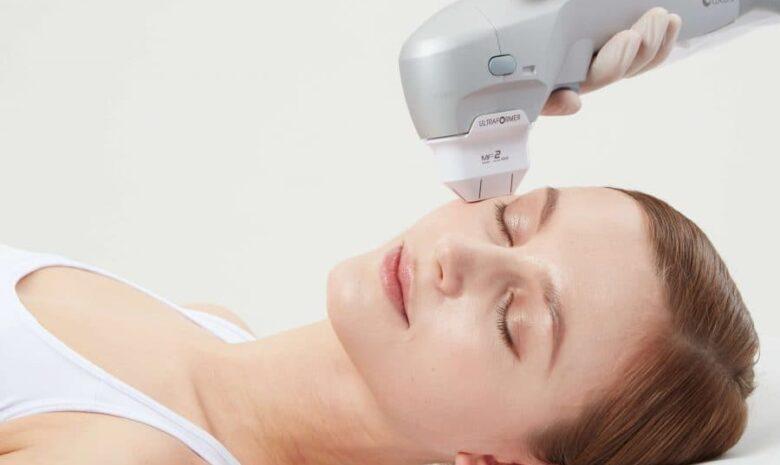
Skin laxity does not appear in exactly the same places for everyone. Some people notice softer skin around the jawline, while others become concerned about the chin, neck, cheeks, or brow area. Ultherapy Treatment in Dubai can be used on selected areas where improving skin firmness is the primary goal. Understanding the different treatment zones can help explain how a personalized approach may be planned.
Why Treatment Areas Matter
Facial skin is not uniform. Different areas have varying thickness, movement, elasticity, and underlying anatomy.
A treatment approach that works well for one part of the face may not be appropriate for another. The depth and location of focused ultrasound energy need to be considered carefully.
For this reason, treatment planning should be based on individual anatomy rather than simply applying the same pattern across the entire face.
Lower Face
The lower face is one of the areas where age-related laxity can become visible. Reduced firmness may cause the cheeks and area around the mouth to appear less supported.
When skin laxity is contributing to these changes, focused ultrasound may be considered as part of a skin-tightening plan.
The objective is to encourage collagen remodeling and improve the appearance of firmness without changing the person's natural facial structure.
Jawline
A softer jawline is another common concern associated with reduced skin elasticity. Mild jowling or loose skin can make the transition between the face and neck appear less defined.
Ultrasound-based tightening may support the appearance of a more structured jawline when laxity is the main factor affecting definition.
However, jawline appearance is also influenced by bone structure, fat distribution, muscle, and facial proportions, so skin tightening cannot address every cause of reduced definition.
Chin Area
The skin beneath and around the chin can become less firm with age. This may affect the appearance of the lower facial profile.
When the concern is primarily loose skin rather than excess fat, collagen-stimulating treatment may be considered.
A professional evaluation can help distinguish skin laxity from other causes of fullness or changes in the chin area.
Neck
The neck is often one of the first areas where age-related skin changes become noticeable. Reduced elasticity can create fine lines, crepey texture, or loose-looking skin.
Focused ultrasound may be considered for selected neck areas when improving firmness is appropriate.
Because the neck has unique anatomical characteristics, treatment planning should be especially individualized.
Brow Area
Selected areas around the brow may also be considered for ultrasound-based treatment. The goal can involve improving the appearance of lax skin in carefully chosen regions.
Treatment around the brow requires appropriate anatomical assessment because the area contains delicate structures.
Whether this area should be included depends on individual skin condition, facial anatomy, and treatment objectives.
Cheek Area
The cheeks can change in appearance as collagen decreases and facial volume shifts over time. However, it is important to distinguish between loose skin and volume loss.
Ultherapy focuses on tissue tightening and collagen stimulation. It does not replace lost facial volume.
If reduced cheek fullness is the primary concern, a different treatment strategy may be more relevant.
How Different Areas Can Work Together
Facial areas are visually connected. For example, the jawline and neck influence one another, while the chin can affect the overall appearance of the lower face.
A treatment plan may therefore consider several neighboring areas together to create a more balanced-looking result.
The exact combination depends on where laxity is present and what the individual wants to improve.
What Happens When a Treatment Area Is Selected?
The selected region is assessed before treatment. The skin, degree of laxity, and underlying anatomy are considered when planning energy delivery.
Focused ultrasound is then applied according to the chosen treatment pattern.
During the session, sensations may include warmth, tingling, pressure, or brief pulses. The experience varies depending on the person and the area being treated.
How Collagen Remodeling Affects Different Areas
The body's collagen response is central to ultrasound-based skin tightening. Controlled thermal stimulation encourages a regenerative response beneath the skin.
As collagen production and remodeling occur, the treated area may gradually appear firmer.
Different areas may respond differently because skin thickness, elasticity, and tissue structure are not identical throughout the face and neck.
Which Areas Are Best for You?
There is no single treatment area that is best for everyone. The appropriate location depends on the primary concern.
Someone with a softer jawline may require a different approach from someone primarily concerned with neck laxity. Similarly, a person with volume loss may benefit from a different treatment than someone with loose skin.
A professional assessment can help identify the areas where treatment is most likely to address the actual concern.
Preparing for Treatment
Before treatment, discuss all areas you are considering with the treating professional. Explain what you would like to improve and whether your concern involves firmness, contour, or skin texture.
Previous aesthetic treatments should also be disclosed because they may influence treatment planning.
Following any personalized preparation instructions can help support a safe and appropriate procedure.
Aftercare for Different Treatment Zones
Post-treatment reactions can vary depending on the treatment area. Temporary redness, tenderness, swelling, tingling, or sensitivity may occur.
Following individualized aftercare guidance is important, particularly when treating sensitive facial or neck areas.
Gentle skincare and appropriate sun protection can also support overall skin health following treatment.
Understanding the Limits of Treatment Areas
Ultherapy is designed primarily for skin laxity and collagen stimulation. It does not remove substantial amounts of fat, restore major volume loss, or surgically remove excess skin.
Understanding these limitations can prevent unrealistic expectations.
The most suitable approach depends on whether the primary concern is laxity, volume, texture, pigmentation, or another aspect of facial aging.
Ultherapy Treatment in Dubai: Treatment Areas
Ultherapy Treatment in Dubai can be considered for selected areas affected by mild to moderate skin laxity, including the lower face, jawline, chin, neck, and certain brow areas. The treatment uses focused ultrasound energy to encourage collagen remodeling and improve the appearance of firmness.
Because facial anatomy and skin concerns differ from person to person, treatment areas should be selected individually. A professional consultation can help determine which zones are appropriate and what type of improvement may realistically be expected.
For individuals exploring personalized skin-tightening options, TAJMEELS CLINIC can be considered when researching modern approaches to facial and neck rejuvenation.

 English
 Arabic
 French
 Portuguese
 Deutsch
 Turkish
 Dutch
Dutch
 Italiano
 Russian
 Romaian
 Portuguese (Brazil)
 Greek
Greek
 Bengali