


Lipoma Treatment in Jeddah: Benefits of Early Evaluation and Personalized Care
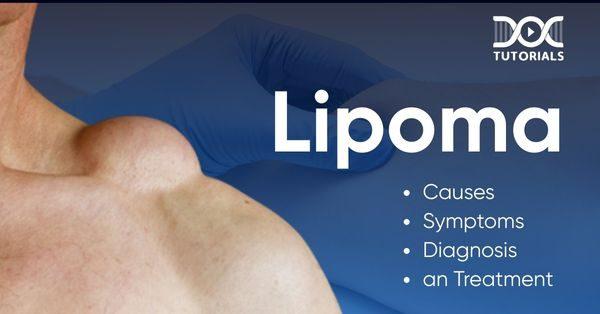
Lipoma Treatment in Jeddah: Benefits of Early Evaluation and Personalized Care
Discovering a lump beneath the skin can be worrying, particularly when it is unclear what caused it. While many soft tissue lumps are harmless, proper evaluation is important to identify their nature. A lipoma is one of the common benign growths that can develop beneath the skin. It consists mainly of fatty tissue and often grows slowly. Individuals may consider Lipoma Treatment in Jeddah when a lipoma becomes uncomfortable, increases in size, affects appearance, or causes concern.
Early evaluation does not necessarily mean that treatment or surgery will be required. In many cases, the purpose of an assessment is simply to understand the characteristics of the growth and determine whether observation is appropriate. A personalized approach helps ensure that treatment decisions are based on the individual's specific condition rather than applying the same approach to every case.
Understanding the Importance of Early Assessment
Many people notice a lipoma accidentally. A small lump may be discovered while bathing, changing clothes, or touching a particular area of the body.
Because lipomas often grow slowly and are painless, it can be easy to ignore them. However, any new or changing lump should be appropriately assessed.
An early evaluation can help determine whether the growth has features consistent with a lipoma. It can also identify situations in which additional assessment may be appropriate.
Early assessment may be particularly useful when a lump:
-
Is increasing in size.
-
Causes discomfort.
-
Feels unusually firm.
-
Appears deep beneath the skin.
-
Changes over a relatively short period.
-
Interferes with normal movement.
These features do not automatically indicate a serious condition, but they can help determine whether further investigation is necessary.
What Happens During a Lipoma Assessment?
The evaluation generally begins with a discussion about the individual's concerns and medical history.
Important information may include:
-
When the lump was first noticed.
-
Whether it has changed in size.
-
Whether it causes pain.
-
Whether similar growths have appeared elsewhere.
-
Whether there is a history of previous lipomas.
-
Whether the growth affects daily activities.
A physical examination can provide information about the size, shape, texture, and mobility of the lump.
If the characteristics are typical of a lipoma, observation may be considered. If the growth has unusual features, additional diagnostic methods may be recommended.
The purpose is to obtain enough information to make an appropriate management decision.
Why Personalized Care Matters
No two individuals have exactly the same concerns. Even when two people have similar-sized lipomas, their treatment decisions may be different.
One person may have a lipoma in an area where it causes no discomfort. Another may have a growth in a location where it is affected by movement, pressure, or clothing.
A personalized treatment plan can consider:
-
The size of the lipoma.
-
Its location.
-
Its depth.
-
Whether it causes pain.
-
Whether it is growing.
-
Cosmetic concerns.
-
The individual's daily activities.
-
Previous history of lipomas.
Considering these factors can help determine whether monitoring or removal is the most appropriate approach.
When Monitoring May Be the Right Choice
A lipoma does not automatically need to be removed.
Monitoring may be appropriate when the growth is small, painless, stable, and has characteristics consistent with a benign lipoma.
During observation, the individual should remain aware of changes in the growth. If it begins to increase in size, becomes painful, or develops other unusual features, reassessment may be appropriate.
Monitoring allows unnecessary procedures to be avoided when treatment is not required.
However, observation should follow an appropriate assessment rather than relying solely on self-diagnosis.
When Lipoma Removal May Be Considered
Removal may be considered for a number of reasons. A person may choose treatment because the lipoma is uncomfortable or because it affects confidence and appearance.
Lipoma Treatment in Jeddah may be considered when a growth:
-
Continues to enlarge.
-
Causes pain or tenderness.
-
Creates pressure.
-
Affects movement.
-
Causes repeated irritation.
-
Is located in a visible area.
-
Creates significant cosmetic concerns.
-
Has characteristics that require further assessment.
The decision to proceed with treatment should be based on a clear understanding of the potential benefits and considerations.
Understanding the Removal Procedure
Surgical removal is a common approach when a lipoma requires treatment.
The procedure generally involves making an incision to access the growth. The fatty tissue is carefully separated from the surrounding structures and removed.
The complexity of the procedure depends on the characteristics of the lipoma.
Small, superficial growths may involve a more limited procedure. Larger or deeper lipomas may require additional planning, particularly if they are located near muscles, nerves, or other structures.
Once the growth has been removed, the incision is closed, and aftercare instructions are provided.
Recovery After Lipoma Treatment
Recovery varies depending on the location and size of the lipoma.
Temporary swelling, bruising, tenderness, or discomfort may occur after the procedure.
The recovery plan may include guidance about:
-
Keeping the treatment area clean.
-
Protecting the incision.
-
Temporarily limiting certain activities.
-
Monitoring the healing process.
-
Attending follow-up appointments if required.
The time needed to return to normal activities can vary. A small superficial lipoma may involve a shorter recovery period than a larger or deeper growth.
Individual healing characteristics also play an important role.
Cosmetic Considerations
For some individuals, cosmetic appearance is the main reason for considering lipoma treatment.
A lipoma can create a visible bulge or change the natural contour of an area of the body. This may affect confidence, particularly when the growth is located in an exposed area.
Treatment planning can take cosmetic considerations into account. The location of the incision, expected scar, and overall appearance after healing may be discussed before the procedure.
However, it is important to maintain realistic expectations. Every person's skin and healing response are different.
Managing Multiple Lipomas
Some people develop more than one lipoma. In these situations, treatment may focus on the growths that are causing symptoms or cosmetic concerns.
Not every lipoma needs to be removed.
The treatment plan may consider:
-
The total number of growths.
-
Their sizes.
-
Their locations.
-
Which ones cause discomfort.
-
Which ones are increasing in size.
Depending on the circumstances, multiple lipomas may be addressed during the same treatment period or in separate stages.
The Role of Follow-Up
Follow-up can be an important part of the treatment process.
After removal, the healing area may need to be assessed to ensure that recovery is progressing appropriately.
For individuals who choose observation, reassessment may be recommended if the growth changes.
Follow-up provides an opportunity to discuss concerns and evaluate any new symptoms.
Making an Informed Decision
Before deciding on treatment, it is helpful to understand the available options and ask relevant questions.
Individuals may wish to know:
-
Whether the lump has been properly identified.
-
Whether treatment is necessary.
-
What the expected recovery process may involve.
-
Whether there are potential activity restrictions.
-
What type of scar may result.
-
Whether additional follow-up will be needed.
Having clear information can help individuals make a decision that aligns with their needs and expectations.
Conclusion
Lipoma Treatment in Jeddah should begin with proper evaluation and an individualized approach. While many lipomas are harmless and may not require removal, growing, painful, uncomfortable, or cosmetically concerning growths may lead an individual to consider treatment.
Early assessment can help clarify the nature of a lump and identify the most appropriate management strategy. Whether the decision involves monitoring or removal, personalized care allows the treatment plan to reflect the size, location, symptoms, and individual concerns associated with the lipoma.

 English
 Arabic
 French
 Spanish
 Portuguese
 Deutsch
 Turkish
 Dutch
Dutch
 Italiano
 Russian
 Portuguese (Brazil)
 Greek
Greek
 Bengali