


Lipoma Treatment in Jeddah: Symptoms, Diagnosis, and Treatment Options
Lipoma Treatment in Jeddah: Symptoms, Diagnosis, and Treatment Options
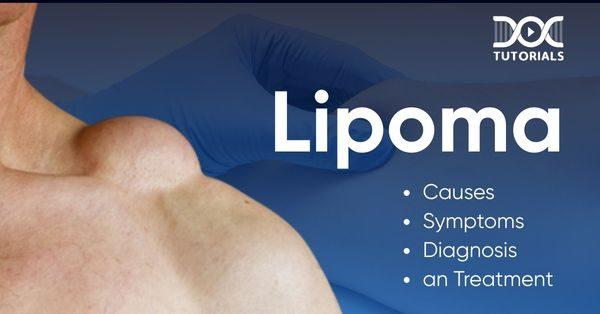
A lump under the skin can raise many questions, particularly when it slowly becomes more noticeable over time. One common cause of a soft tissue lump is a lipoma. A lipoma is generally a benign growth composed of fatty tissue. Although many lipomas do not cause serious health concerns, some people seek Lipoma Treatment in Jeddah when a growth becomes uncomfortable, increases in size, affects movement, or creates cosmetic concerns.
Understanding the symptoms, diagnostic process, and available treatment options can help individuals make informed decisions. The management of a lipoma depends on its characteristics and on the needs of the individual.
What Are the Common Symptoms of a Lipoma?
Many lipomas do not cause significant symptoms. They are often discovered when a person notices or feels a lump beneath the skin.
A typical lipoma may:
-
Feel soft or rubbery.
-
Be slightly movable beneath the skin.
-
Grow slowly over time.
-
Cause little or no pain.
-
Have normal-looking skin over the growth.
However, symptoms can vary depending on the size and location of the lipoma.
A lipoma may become uncomfortable when it is located in an area exposed to pressure or frequent movement. Larger growths may also create a feeling of heaviness or interfere with clothing.
Some lipomas may cause pain if they place pressure on nearby nerves or tissues. Therefore, even though lipomas are generally harmless, symptoms should not be ignored.
Where Do Lipomas Commonly Occur?
Lipomas can develop in different parts of the body where fatty tissue is present. Common locations include:
-
The shoulders.
-
The upper back.
-
The neck.
-
The arms.
-
The chest.
-
The abdomen.
-
The thighs.
The location can influence whether treatment is considered. A small lipoma on the back may not cause any difficulty, while a similarly sized growth near a joint or in an area affected by clothing may become uncomfortable.
Some individuals may develop a single lipoma, while others may have several growths in different locations.
Why Is Diagnosis Important?
It is important not to assume that every lump beneath the skin is a lipoma. Different types of growths can appear similar, particularly during the early stages.
Before considering Lipoma Treatment in Jeddah, the first step is obtaining an appropriate evaluation.
The assessment may begin with questions about:
-
When the lump was first noticed.
-
Whether it has increased in size.
-
Whether it causes pain.
-
Whether there have been changes in texture.
-
Whether similar growths are present elsewhere.
A physical examination can provide information about the lump's characteristics. The size, shape, mobility, consistency, and location may all be considered.
If the growth has unusual features, further evaluation may be recommended.
Diagnostic Methods for Lipomas
In many cases, a physical examination can provide useful information. However, additional diagnostic methods may be considered depending on the characteristics of the lump.
Imaging can sometimes help determine the size, depth, and relationship of the growth to surrounding tissues. This may be useful for large, deep, or unusual masses.
In certain situations, tissue examination may also be considered. This can help confirm the nature of the growth.
The purpose of diagnosis is to ensure that treatment decisions are based on an accurate understanding of the lump.
When Is Treatment Necessary?
Not every lipoma requires removal.
Observation may be considered when a lipoma is:
-
Small.
-
Painless.
-
Stable in size.
-
Not affecting movement.
-
Not causing cosmetic concerns.
-
Consistent with a harmless lipoma after appropriate assessment.
However, treatment may be discussed when the growth becomes problematic.
Removal may be considered if the lipoma:
-
Continues to grow.
-
Causes pain or pressure.
-
Interferes with movement.
-
Is located in an area where it creates repeated discomfort.
-
Becomes cosmetically concerning.
-
Has characteristics that require further investigation.
The decision should be based on individual circumstances.
Surgical Lipoma Removal
Surgical removal is a commonly used treatment for lipomas that require intervention. The procedure involves accessing the growth through an incision and carefully removing the fatty tissue.
The complexity of the procedure depends on factors such as the size and depth of the lipoma.
Small, superficial lipomas may be relatively straightforward to remove. Larger or deeper growths may require more detailed planning.
An appropriate anesthesia method is selected based on the nature of the procedure and the individual's circumstances.
After the lipoma is removed, the incision is closed and aftercare instructions are provided.
What Should You Expect During Recovery?
Recovery depends on the characteristics of the lipoma and the extent of treatment.
Temporary effects may include:
-
Mild swelling.
-
Bruising.
-
Tenderness.
-
Temporary discomfort around the incision.
The treatment area should be cared for according to the instructions provided.
Depending on the location, individuals may be advised to temporarily avoid activities that place stress or pressure on the treated area.
Smaller superficial lipomas may involve a relatively shorter recovery, while larger or deeper lipomas may require additional healing time.
Follow-up may be recommended to assess wound healing.
Understanding Scarring
An incision can result in a scar. The appearance of the scar depends on several factors, including the size of the lipoma, the location of the procedure, the size of the incision, and individual healing characteristics.
For people concerned about cosmetic appearance, this can be discussed during treatment planning.
Scars may change gradually over time. Initially, they may appear more visible and then become less noticeable as healing progresses.
However, every person heals differently, and the final appearance cannot be predicted with complete certainty.
Can a Lipoma Be Treated Without Removal?
In some cases, observation is the preferred management approach. If a lipoma is small, stable, and not causing symptoms, there may be no need for an immediate procedure.
When removal is desired or medically appropriate, the treatment method depends on the specific characteristics of the growth.
It is not advisable to attempt to remove, squeeze, puncture, or cut a lump at home. Doing so can result in infection, bleeding, scarring, or injury to surrounding tissue.
A proper assessment should always come before treatment.
What Happens If You Have Multiple Lipomas?
Some individuals develop multiple lipomas. The presence of several growths may influence how treatment is planned.
Not every lipoma may require removal. Treatment can focus on those that cause symptoms, continue to grow, or create significant cosmetic concerns.
Depending on the circumstances, multiple lipomas may be treated during the same period or in separate stages.
The decision depends on the number, location, size, and overall treatment requirements.
Questions to Ask Before Considering Treatment
Before proceeding with lipoma removal, individuals may wish to understand:
-
Whether the lump has been properly identified.
-
Whether treatment is necessary.
-
Which treatment method is appropriate.
-
What recovery may involve.
-
Whether there will be activity restrictions.
-
What type of scar may result.
-
Whether follow-up will be needed.
Clear communication and realistic expectations are important parts of the treatment process.
Final Thoughts
Lipoma Treatment in Jeddah may involve observation, diagnostic evaluation, or removal depending on the characteristics of the growth. Many lipomas are harmless and do not require treatment, but a lump that is new, growing, painful, deep, firm, or otherwise unusual should be properly evaluated.
For individuals considering removal, understanding the treatment process and recovery expectations can help them make an informed decision. A personalized approach that considers the size, location, symptoms, and characteristics of the lipoma is essential for determining the most suitable management plan.

 English
 Arabic
 French
 Spanish
 Portuguese
 Deutsch
 Turkish
 Dutch
Dutch
 Italiano
 Romaian
 Portuguese (Brazil)
 Greek
Greek
 Bengali