


Tummy Tuck in Dubai | Understanding Abdominoplasty
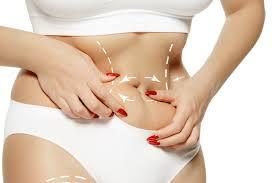
The abdomen can change significantly over time. Pregnancy, major weight fluctuations, aging, and natural changes in skin elasticity may leave behind loose skin or a less defined abdominal profile. While regular exercise and a healthy lifestyle can improve muscle strength and overall fitness, they cannot always correct excess stretched skin. For people experiencing these concerns, Tummy Tuck in Dubai can be an option for surgical abdominal contouring.
A tummy tuck, medically known as abdominoplasty, is designed to improve the appearance of the abdominal area by removing selected excess skin and, when appropriate, tightening weakened abdominal muscles. It is important to understand that the procedure is not a substitute for weight loss. Instead, it is primarily intended to reshape and refine the abdominal contour.
Knowing what happens before, during, and after abdominoplasty can make the decision-making process easier. From the initial consultation to postoperative care, every stage plays an important role in achieving a safe and satisfactory outcome.
What Is Abdominoplasty?
Abdominoplasty is a surgical body-contouring procedure that focuses on the abdomen. It may address loose skin, excess tissue, and certain changes in the abdominal wall.
The procedure can be customized according to the patient's anatomy and goals. Some individuals may require a more comprehensive approach, while others may have concerns limited mainly to the lower abdomen.
During a typical procedure, an incision is made in the lower abdominal area. Excess skin is carefully removed, and the remaining tissue is repositioned. When abdominal muscle separation or weakness is present and appropriate for correction, the muscles may also be repaired.
The belly button may need to be repositioned during a full tummy tuck, depending on the amount of tissue being treated.
Why Do People Consider Tummy Tuck in Dubai?
People choose to explore abdominoplasty for different personal reasons. Often, the concern is not simply body weight but the presence of loose skin that remains despite healthy habits.
Common reasons include:
- Loose skin after pregnancy
- Excess skin following significant weight loss
- Reduced abdominal firmness
- Changes caused by aging
- Abdominal muscle separation
- Difficulty improving excess skin through exercise alone
- Desire for a smoother body contour
Every person's situation is different. A consultation helps determine whether the procedure can address the specific concern.
How Pregnancy Can Change the Abdomen
Pregnancy places considerable pressure on the abdominal skin and muscles. As the baby grows, the skin stretches and the abdominal wall expands.
After childbirth, some of these changes naturally improve. However, the skin may not completely return to its previous condition. In some cases, the abdominal muscles may also remain separated.
A tummy tuck may be considered after pregnancy when a woman has completed or is close to completing her family plans and has reached a stable body weight.
It is important to allow adequate time for the body to recover after childbirth before considering elective surgery.
Abdominoplasty After Weight Loss
Significant weight loss can transform the body, but it may also result in loose or hanging skin around the abdomen.
When skin has been stretched for an extended period, it may have limited ability to retract naturally. Exercise can strengthen the muscles underneath, but it cannot always remove large amounts of excess skin.
This is one reason people who have achieved their weight-loss goals may research Tummy Tuck in Dubai.
The ideal timing for surgery is generally considered after weight has remained relatively stable. Major weight changes following surgery can affect the contour and may compromise the long-term appearance.
Different Types of Tummy Tuck
There is no single technique that works for every patient. The approach depends on the amount and location of excess skin, abdominal muscle condition, previous surgery, and individual goals.
Full Tummy Tuck
A full abdominoplasty generally addresses a larger area of the abdomen. It may involve removal of excess lower abdominal skin, repositioning of the remaining skin, and correction of selected muscle separation.
Mini Tummy Tuck
A mini tummy tuck generally focuses on the lower abdomen and may be suitable for individuals with a more limited amount of excess skin.
Extended Abdominoplasty
An extended approach may be considered when excess skin extends beyond the central abdominal region toward the sides of the body.
The appropriate procedure can only be determined after an individual assessment.
What Happens During the Consultation?
The consultation is an important part of the tummy tuck journey.
During the appointment, the abdominal area may be examined to assess skin elasticity, muscle condition, fat distribution, and the location of excess tissue.
The discussion may also cover:
- Medical history
- Previous operations
- Current medications
- Allergies
- Lifestyle factors
- Weight stability
- Pregnancy plans
- Desired outcomes
- Recovery expectations
Patients should feel comfortable asking questions. A clear understanding of the procedure and its limitations is essential before making a decision.
Preparing for Tummy Tuck Surgery
Preparation can help make the recovery period more comfortable.
Your surgical team may provide specific instructions based on your health and procedure. These instructions should always be followed carefully.
Maintain a Stable Lifestyle
A balanced diet and healthy lifestyle can support general wellbeing before surgery.
Discuss Medications
Tell your medical team about prescription medicines, supplements, and over-the-counter products you use. Some may need special consideration before surgery.
Avoid Smoking
Smoking can interfere with circulation and wound healing. If you smoke, discuss this honestly with your surgical team.
Arrange Assistance
You may need help with household tasks and transportation during the initial recovery period. Planning ahead can reduce unnecessary stress.
What Can You Expect Immediately After Surgery?
The first days after surgery are focused on rest, monitoring, and following postoperative instructions.
It is normal to experience swelling, tightness, bruising, and discomfort. These effects gradually improve as the body heals.
Movement may initially feel different because the abdominal tissues have undergone surgical correction. Your medical team can explain how to move safely and when normal activities can gradually resume.
Pain medication and other treatments may be recommended according to your individual situation.
Recovery and Healing
Recovery from abdominoplasty takes time. The initial healing phase may last several weeks, while deeper tissues continue to recover for longer.
During recovery, patients are generally advised to avoid activities that place excessive strain on the abdominal area.
Walking may be encouraged when appropriate because gentle movement can support circulation. However, strenuous exercise, heavy lifting, and intense abdominal movements should be avoided until medical clearance is provided.
Follow-up appointments are important because they allow the surgical team to monitor healing and address concerns.
Managing Swelling
Swelling is common after abdominal surgery. It can make the abdomen appear different during the early recovery period.
The swelling normally decreases gradually rather than disappearing immediately.
Compression garments may be recommended depending on the procedure and individual recovery plan. If prescribed, they should be used according to the medical team's instructions.
Patients should avoid judging the final result too early because the abdominal contour continues to change as swelling decreases.
Understanding Tummy Tuck Scars
Scarring is an unavoidable part of surgical abdominoplasty. The incision is generally positioned strategically, but the final scar varies from person to person.
Factors affecting scar appearance can include genetics, skin type, surgical technique, wound healing, and aftercare.
Over time, scars often become less noticeable. However, they do not completely disappear.
Following wound-care instructions and protecting healing skin from excessive sun exposure can help support healthier scar maturation.
Tummy Tuck Benefits
When appropriate for the patient, abdominoplasty may provide several aesthetic and functional benefits.
Potential benefits include:
- Reduction of excess abdominal skin
- A smoother abdominal appearance
- Improved waist and body proportions
- A firmer-looking midsection
- Correction of selected abdominal muscle separation
- Greater confidence in clothing and swimwear
The outcome depends on individual anatomy, healing, lifestyle, and the amount of correction required.
Tummy Tuck vs. Liposuction
Although both procedures can improve body contours, they serve different purposes.
Liposuction primarily targets localized fat deposits.
Tummy tuck surgery primarily addresses excess skin and may correct abdominal muscle separation.
Some patients may benefit from combining procedures, while others may require only one approach. The appropriate treatment depends on the patient's specific concerns.
It is important not to assume that one procedure can replace the other.
Who Should Consider Waiting?
Tummy tuck surgery may not be appropriate at a particular time for everyone.
Someone who is planning a pregnancy, experiencing major weight fluctuations, or dealing with certain medical concerns may need to postpone elective surgery.
Similarly, individuals expecting a tummy tuck to produce substantial weight loss may need to reconsider their goals.
A thorough medical assessment helps determine appropriate timing.
Why Professional Care Matters
Choosing an appropriate medical setting is an important part of the treatment journey. Patients should look for proper surgical facilities, qualified professionals, clear communication, appropriate safety measures, and structured postoperative care.
If you are researching Tummy Tuck in Dubai, Tajmeels Clinic can be considered while exploring available options for abdominal contouring and learning more about the treatment process.
The focus should always remain on individualized assessment, realistic expectations, safety, and proper follow-up.
Frequently Asked Questions
1. Is Tummy Tuck Suitable After Pregnancy?
It may be suitable for some women after pregnancy, particularly when they have completed their family plans and reached a stable weight. An individual assessment is necessary.
2. Does Tummy Tuck Tighten Abdominal Muscles?
When appropriate, abdominoplasty may include repair of certain abdominal muscle separation or weakness. Whether this is necessary depends on the individual.
3. How Soon Can I Return to Work?
The timeline varies depending on the procedure, healing progress, and type of work. People with physically demanding jobs may need more recovery time.
4. Will the Results Last?
Results can be long-lasting when weight remains stable and a healthy lifestyle is maintained. However, aging, pregnancy, and significant weight changes can alter the abdominal contour.
5. Is Exercise Enough to Remove Loose Skin?
Exercise can strengthen muscles and improve overall fitness, but it cannot always remove significant amounts of excess stretched skin. Surgical assessment can determine whether abdominoplasty may be appropriate.
Conclusion
Understanding every stage of abdominoplasty is essential before deciding whether Tummy Tuck in Dubai is right for you. From assessing loose skin and abdominal muscle changes to selecting an appropriate surgical technique and preparing for recovery, each step contributes to the overall treatment experience.
A tummy tuck can be particularly helpful for individuals dealing with persistent loose abdominal skin after pregnancy, significant weight loss, or other physical changes. However, it should be approached as a body-contouring procedure rather than a weight-loss solution.
If you are exploring your options, Tajmeels clinic can be part of your research when considering abdominal contouring services. A detailed consultation and realistic discussion of your goals are important before proceeding with surgery.

 English
 Arabic
 Spanish
 Portuguese
 Deutsch
 Turkish
 Dutch
Dutch
 Italiano
 Russian
 Romaian
 Portuguese (Brazil)
 Greek
Greek
 Bengali