


Cursive vs Script Fonts: What’s the Difference?
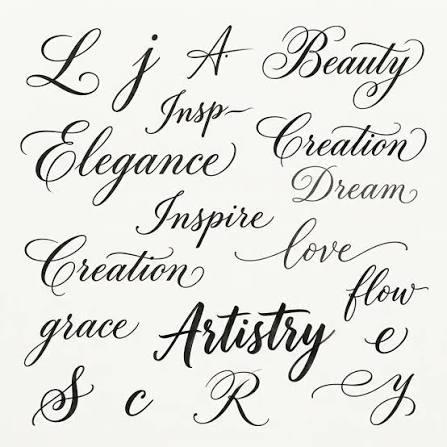
Cursive and script fonts are often treated as the same thing because both can create a flowing, handwritten appearance. However, there are subtle differences between the two. Understanding those differences can help you choose a style that fits your social media profile, design project, invitation, branding, or personal content.
With online typography becoming more creative in 2026, people are experimenting with both styles to make ordinary text more expressive. Tools such as cursivefont.io also make it easy to explore different lettering styles without needing professional design software.
What Is a Cursive Font?
Cursive fonts are inspired by connected handwriting. The letters often flow together, creating a smooth and informal appearance. Traditional cursive writing is associated with handwritten notes and personal correspondence, while digital cursive styles recreate that feeling through typography.
Cursive fonts can range from simple and easy to read to highly decorative. Their biggest strength is their personal appearance. They can make a short phrase, name, or caption feel more natural and expressive.
For social media, cursive text is often used in bios, usernames, captions, and short quotes. It can also work well for personal projects where a handwritten feeling is desirable.
What Is a Script Font?
Script fonts are a broader category of typefaces designed to resemble handwriting, calligraphy, or lettering created with a pen or brush. They can include formal, elegant, casual, bold, and highly decorative designs.
Unlike simple cursive fonts, some script fonts are created specifically for visual impact. Their letter shapes, flourishes, and spacing may be carefully designed for logos, invitations, packaging, advertisements, and other creative projects.
Because script fonts cover a wider range of styles, not every script font will look like traditional cursive handwriting.
Cursive vs. Script: The Main Difference
The simplest way to understand the difference is to think of cursive as a style inspired primarily by connected handwriting, while script is a broader category that can include many handwriting and calligraphy-inspired designs.
Cursive generally focuses on flowing letter connections and a natural handwritten appearance. Script can be much more decorative, with flourishes, dramatic strokes, and formal lettering.
There can be overlap between the two categories, which is why the terms are sometimes used interchangeably.
Which One Is Easier to Read?
Readability depends on the specific font. A simple cursive style may be easier to understand than an elaborate script font filled with decorative flourishes.
For longer text, standard fonts are usually more comfortable to read. Cursive and script styles are often better suited to short phrases, headings, names, captions, and decorative elements.
If you are creating content for a wide audience, always check how the lettering looks on different screens before publishing.
When Should You Use Cursive Fonts?
Cursive fonts are a good choice when you want a friendly, personal, or handwritten feeling. They can work well for social media profiles, personal messages, short inspirational quotes, digital stationery, and creative posts.
They are especially useful when the goal is to make text feel less formal and more personal.
When Should You Use Script Fonts?
Script fonts are often better when you want an elegant or artistic appearance. They can be effective for wedding invitations, luxury-inspired branding, event graphics, product packaging, logos, and promotional designs.
A sophisticated script font can create a premium visual impression, while a casual script can give a design a relaxed and creative personality.
Exploring Both Styles Online
You do not need to be a professional designer to experiment with cursive and script-inspired text. Online generators allow users to enter ordinary words and compare different styles quickly.
For example, cursivefont.io can be used to explore stylish text variations and find a design that suits your needs. Once you find a preferred style, you can copy the generated text and use it on compatible platforms.
This is particularly useful for people who want to experiment before committing to a particular typography style.
How to Choose the Right One
Start by thinking about the feeling you want your text to communicate. If you want something personal and naturally handwritten, cursive may be the better choice. If you want something more decorative, elegant, or artistic, explore script styles.
Also consider where the text will appear. A complex script may look excellent in a graphic but become difficult to read in a small social media bio. Simpler styles often work better in digital spaces where people read quickly.
Final Thoughts
Cursive and script fonts have many similarities, but they are not exactly the same. Cursive generally focuses on flowing, connected handwriting, while script is a broader category that includes many handwriting and calligraphy-inspired styles.
The best choice depends on your content, audience, and desired appearance. Whether you prefer a natural handwritten look or an elegant decorative design, experimenting with different options can help you find the perfect style. With tools such as cursivefont.io, discovering and testing stylish text is quick, simple, and accessible.

 Arabic
 French
 Spanish
 Portuguese
 Deutsch
 Turkish
 Dutch
Dutch
 Italiano
 Russian
 Romaian
 Portuguese (Brazil)
 Greek
Greek
 Bengali