


Alarplasty in Jeddah: What to Know Before Choosing Nostril Reduction Surgery
Alarplasty in Jeddah: What to Know Before Choosing Nostril Reduction Surgery
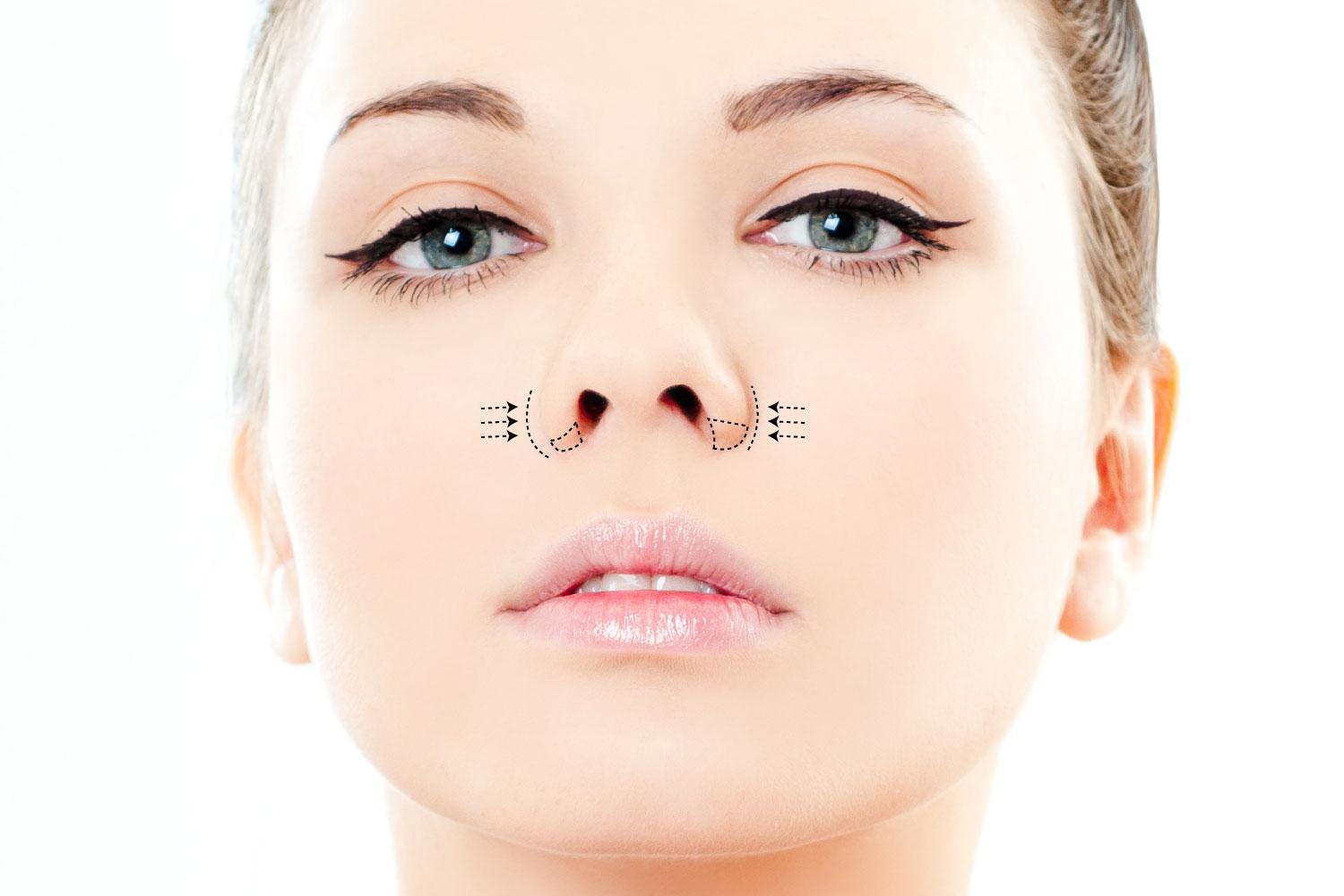
Alarplasty in Jeddah is a specialized cosmetic procedure that focuses on improving the appearance of the nostrils and nasal base. People who feel that their nostrils look excessively wide, flare outward, or appear disproportionate to the rest of their nose may consider this procedure as a way to create better facial balance. Unlike procedures that reshape the entire nose, alarplasty concentrates mainly on the soft tissue surrounding the nostril openings.
The nose is one of the most noticeable features of the face, and its proportions can influence overall facial harmony. For this reason, even a relatively small modification to the nostril area can make a visible difference. However, successful alarplasty is not simply about making the nostrils smaller. It requires careful planning based on individual anatomy, facial proportions, nasal structure, and realistic aesthetic expectations.
Understanding the Nasal Alar
The nasal alar refers to the soft tissue forming the outer sides of the nostrils. It contributes to the width and shape of the nasal base and can become particularly noticeable when a person smiles or makes certain facial expressions.
Some people naturally have a wider alar base. In other cases, nostril flare may be more prominent than desired. These characteristics are normal variations in facial anatomy, but individuals may choose cosmetic surgery if they are unhappy with their appearance.
Alarplasty is designed to address selected concerns involving this region while preserving the overall structure of the nose.
What Is Nostril Reduction?
Nostril reduction is a common description of procedures that reduce the apparent width or size of the nostrils. Alarplasty is one technique that may be used to achieve this objective.
The exact surgical approach depends on the patient's anatomy. A small amount of tissue may be removed from an appropriate area, followed by careful closure of the incision. The goal is to reduce excessive width while maintaining a natural transition between the nostrils and surrounding facial structures.
The procedure should be customized rather than performed according to a fixed measurement. Every individual's nasal proportions are different.
Why People Consider Alarplasty in Jeddah
People researching Alarplasty in Jeddah may have different motivations. Some may have always been concerned about wide nostrils, while others may feel that the nasal base has become more noticeable in photographs or from certain angles.
Common concerns include:
-
A broad-looking nasal base
-
Wide nostrils
-
Excessive outward flare
-
Nostril proportions that appear inconsistent with the rest of the nose
-
Desire for subtle nasal refinement
-
Cosmetic concerns following previous nasal surgery
The procedure is generally considered elective, so individuals should take sufficient time to understand the benefits and limitations before proceeding.
Importance of an Individual Assessment
A detailed assessment is essential before alarplasty. The professional should evaluate the nose from multiple angles rather than relying only on a front-facing view.
The relationship between the nasal base, tip, bridge, lips, cheeks, and overall facial structure can influence the appropriate treatment approach. Skin thickness and the characteristics of the soft tissue can also affect healing and the eventual appearance of the surgical area.
An assessment may also consider whether the patient has any existing nasal breathing concerns.
Alarplasty Compared With Full Rhinoplasty
Many people confuse alarplasty with rhinoplasty. While both involve the nose, their purposes can be different.
Rhinoplasty can involve modifications to the nasal bridge, bones, cartilage, tip, and other structural elements. It may be performed for cosmetic or functional reasons.
Alarplasty, on the other hand, generally focuses on the nostril base and surrounding soft tissue. A person who is satisfied with the bridge and tip may potentially need only alar refinement.
However, some patients may have multiple nasal concerns. In such situations, a broader procedure may be considered to create better overall balance.
Preparing for the Procedure
Preparation usually begins with a consultation and medical assessment. Patients should provide accurate information about their health history, previous procedures, allergies, medications, and any nasal symptoms.
It is important to communicate aesthetic goals clearly. Rather than asking for an exact measurement, patients can explain what they feel is disproportionate or what feature they would like refined.
Questions worth discussing include:
-
Is alarplasty suitable for my nasal anatomy?
-
Will the procedure address my primary concern?
-
Could another nasal procedure be more appropriate?
-
Where will the incisions be located?
-
What type of anesthesia will be used?
-
What should I expect during recovery?
-
How noticeable could the scars become?
-
What complications are possible?
-
When should the final result be evaluated?
Having these discussions beforehand can help establish realistic expectations.
The Surgical Process
The procedure generally begins with preparation of the treatment area. Carefully planned markings may be made to guide the intended modification.
The surgeon then creates incisions in the selected area of the alar tissue. Depending on the technique and desired result, limited tissue may be removed or repositioned. The remaining tissue is then carefully brought together and sutured.
Precision is particularly important because the nostrils are visible from multiple angles. The surgical plan should account for both sides of the nose and the possibility of natural asymmetry.
The procedure may be performed under local anesthesia, with the exact anesthesia approach determined by the medical team.
What Happens Immediately After Surgery?
Following alarplasty, patients may experience swelling, tenderness, tightness, or mild discomfort around the treated area. The appearance of the nostrils can temporarily differ from the expected final result because of postoperative swelling.
Patients should avoid unnecessary manipulation of the surgical site. Instructions regarding cleaning, medications, sleeping, physical activity, and wound care should be followed carefully.
The recovery experience differs among individuals. Some people may return to routine activities relatively quickly, while others may require additional time depending on their healing response and the nature of their procedure.
Understanding Scarring
Scarring is an important consideration with alarplasty because incisions are made in the nostril region. Surgeons generally aim to place incisions in areas where scars can be less conspicuous, but scar visibility varies according to individual healing characteristics.
A scar may initially look different from its eventual appearance. It can gradually soften and fade as it matures.
Patients should avoid judging the final appearance of scars too early. If there are concerns about healing, the treating medical professional should be consulted rather than attempting treatments independently.
Potential Complications
Although alarplasty can provide aesthetic refinement, it is still surgery and carries potential risks. These may include infection, bleeding, delayed healing, unfavorable scarring, asymmetry, altered sensation, or dissatisfaction with the result.
Inappropriate narrowing can also create aesthetic or functional problems. This highlights the importance of conservative planning and careful evaluation.
Patients should receive clear information about potential complications before deciding to undergo surgery.
The Role of Realistic Expectations
Realistic expectations are essential for a satisfactory cosmetic experience. Alarplasty can modify the nostril area, but it cannot completely transform facial anatomy or guarantee perfect symmetry.
Natural asymmetry exists in almost every face. Minor differences between the two nostrils may remain after surgery.
The objective should therefore be improvement and proportion rather than absolute perfection.
Choosing a Provider
Anyone considering Alarplasty in Jeddah should carefully evaluate the qualifications and experience of the medical professional performing the procedure.
Important considerations include appropriate medical credentials, experience with nasal surgery, a suitable clinical environment, clear explanations of the proposed technique, and willingness to discuss risks as well as benefits.
Patients should be cautious about making a decision based solely on promotional photographs or low prices. A proper consultation is much more valuable because it allows the procedure to be assessed according to individual anatomy.
Recovery and Final Results
The appearance of the nose changes throughout the healing process. Swelling generally decreases gradually, while the tissues continue to settle.
The final result should be evaluated only after sufficient healing has occurred. Scar maturation can take considerably longer than the initial recovery period.
Patients should follow all postoperative instructions and attend recommended follow-up appointments. Regular monitoring allows the medical team to assess healing and address concerns when necessary.
Is Alarplasty Right for Everyone?
Not everyone who wants narrower nostrils necessarily needs alarplasty. Sometimes the perceived width of the nostrils is related to other nasal or facial features. In such cases, changing the alar tissue alone may not produce the desired balance.
A professional evaluation can help determine whether the concern is best addressed through alarplasty, another nasal procedure, or no surgery at all.
Choosing not to undergo surgery is also a valid outcome of consultation if the potential benefits do not justify the risks for an individual.
Conclusion
Alarplasty in Jeddah can provide targeted refinement for people concerned about wide nostrils, prominent nasal flare, or an overly broad nasal base. Because the procedure focuses on a small but highly visible part of the nose, detailed planning and appropriate tissue management are essential.
Understanding the procedure, preparation, recovery, scarring, risks, and realistic results can help individuals make informed decisions. A qualified medical professional can assess the patient's anatomy and determine whether alarplasty alone is appropriate or whether another approach would provide better overall facial harmony.
The goal of successful nostril refinement should be a balanced and natural appearance rather than excessive narrowing. When expectations, anatomy, and surgical planning are appropriately aligned, alarplasty can be an effective option for selected individuals seeking subtle improvement in nasal proportions.

 English
 Arabic
 French
 Portuguese
 Deutsch
 Turkish
 Dutch
Dutch
 Italiano
 Russian
 Romaian
 Portuguese (Brazil)
 Greek
Greek
 Bengali