


Alarplasty in Jeddah: Exploring Nostril Refinement for a More Balanced Appearance
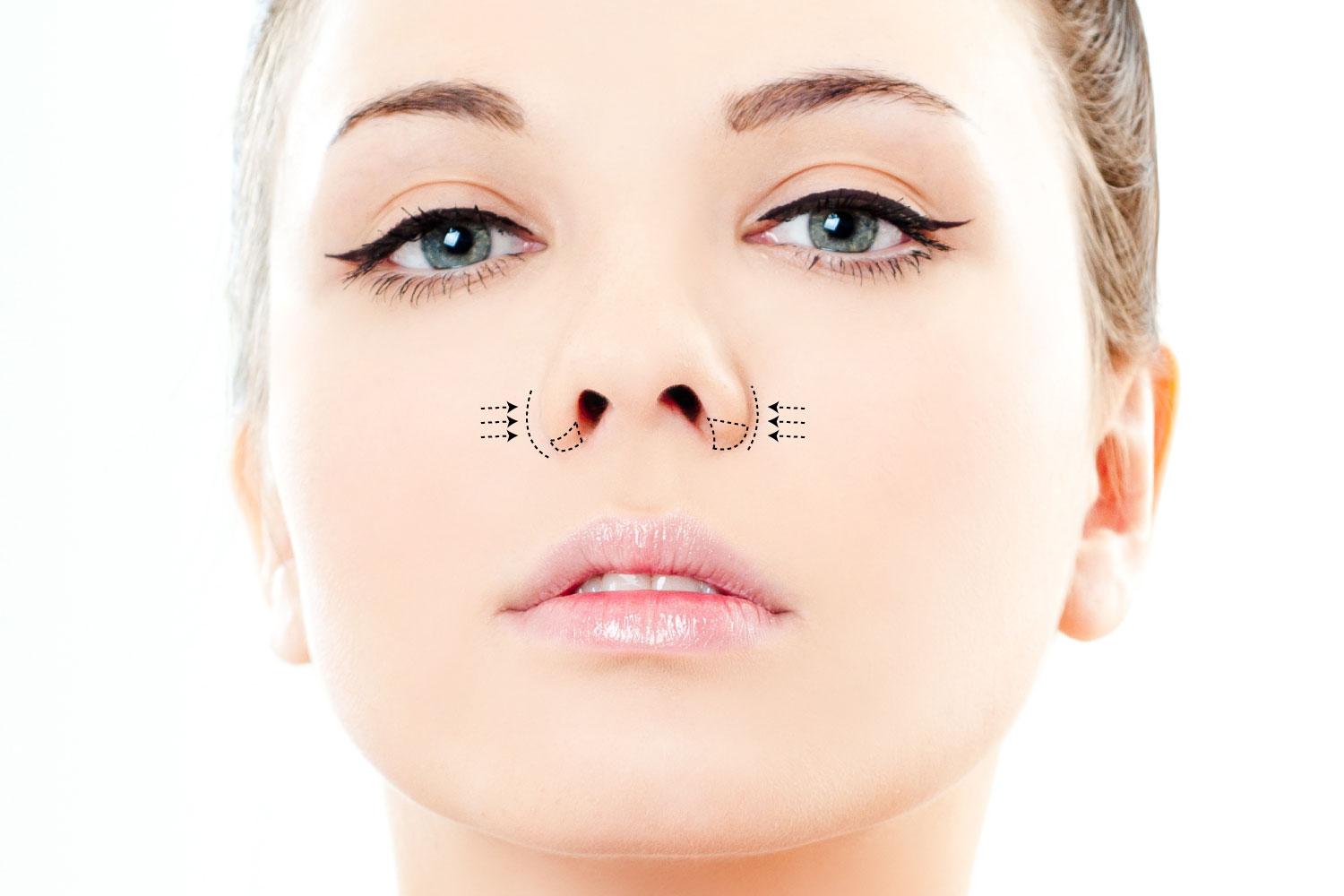
Alarplasty in Jeddah: Exploring Nostril Refinement for a More Balanced Appearance
Alarplasty in Jeddah is a cosmetic nasal procedure designed to refine the appearance of the nostril area. It may be considered by individuals who feel that their nostrils are too wide, flare outward more than they prefer, or appear disproportionate compared with the rest of their facial features. By focusing specifically on the nasal alar, the procedure can provide targeted refinement without necessarily changing the entire structure of the nose.
The appearance of the nose contributes significantly to facial balance because of its central position. Small differences in the width, shape, and position of the nostrils can influence the way the nose looks from the front and three-quarter views. For this reason, alarplasty requires careful assessment and individualized planning.
What Is the Nasal Alar?
The nasal alar is the soft tissue that forms the outer portion of each nostril. It contributes to the shape of the nostril openings and the overall width of the nasal base.
The size and shape of the alar vary naturally among individuals. Some people have a relatively narrow nasal base, while others naturally have a wider base or more noticeable nostril flare.
Although these differences are normal, some individuals may want cosmetic refinement. Alarplasty is intended to address selected aesthetic concerns involving this part of the nose.
What Is Alarplasty?
Alarplasty is a surgical procedure that modifies the soft tissue around the nostril base. Depending on the patient's anatomy and desired outcome, the procedure may involve carefully removing a limited amount of tissue or altering the position of the alar tissue.
The objective is generally to reduce excessive width or flare while preserving an appropriate nostril shape.
An important principle of alarplasty is moderation. Removing too much tissue can produce an overly narrow or unnatural appearance. The procedure should therefore be based on the individual's proportions rather than a fixed definition of an ideal nose.
Reasons People Seek Alarplasty in Jeddah
Individuals considering Alarplasty in Jeddah may have a range of concerns. Some may have been unhappy with their nostril width for many years, while others may become more aware of the issue through photographs or changes in their perception of facial proportions.
Common reasons include:
-
Wide nostrils
-
Prominent alar flare
-
Broad nasal base
-
Desire for improved facial balance
-
Nostril proportions that appear inconsistent with the nasal tip
-
Desire for subtle cosmetic refinement
The procedure should be considered only after understanding what it can and cannot change.
Evaluating Facial Harmony
One of the most important aspects of alarplasty is evaluating the nose in relation to the entire face.
A broad nostril base may be appropriate for one person's facial structure but appear disproportionate in another. Similarly, making the nostrils significantly narrower does not automatically produce a more attractive result.
During consultation, the relationship between the nose and other facial features may be assessed. The nasal tip, bridge, lips, cheeks, and overall facial width can all influence the perception of nasal proportions.
Who May Be a Candidate?
Potential candidates are generally adults who have a specific cosmetic concern involving the nostril area and realistic expectations about surgical improvement.
A medical evaluation may consider:
-
General health
-
Nasal structure
-
Skin and soft-tissue characteristics
-
Existing nasal function
-
Previous nasal surgery
-
Previous trauma
-
Desired cosmetic changes
-
Expectations regarding recovery
Patients should disclose any breathing difficulties or other nasal symptoms. Although alarplasty is usually considered a cosmetic procedure, nasal function should remain an important consideration.
Consultation Before Surgery
A detailed consultation gives patients an opportunity to discuss their concerns and learn about possible treatment options.
Patients may wish to ask how much narrowing is realistically possible and whether the procedure could affect the appearance of the nose from different angles.
Other useful questions include:
-
Will alarplasty alone address my concern?
-
Where will the incisions be placed?
-
What type of anesthesia is appropriate?
-
How long should I expect the initial recovery to last?
-
What activities should be avoided?
-
How should the incision be cared for?
-
What are the possible complications?
-
How long should I wait before evaluating the final result?
These discussions can help patients make an informed decision.
The Alarplasty Procedure
The procedure begins with preparation of the nasal area and careful planning of the intended correction. The surgeon may mark the areas that require modification.
Small incisions are then made in selected areas of the alar tissue. Depending on the technique, a limited amount of tissue may be removed or repositioned.
The remaining tissue is carefully closed with sutures to establish the intended contour.
The exact surgical technique varies from patient to patient. Factors such as nostril width, alar thickness, flare, skin characteristics, and facial proportions can influence the approach.
Anesthesia Options
Alarplasty can often be performed using local anesthesia, although the appropriate anesthesia method depends on the individual procedure and clinical circumstances.
Patients should discuss anesthesia during consultation. The medical team can explain what will be used, how discomfort will be managed, and what to expect during and immediately after the procedure.
Recovery After Alarplasty
Recovery varies among individuals. Some swelling and tenderness around the nostril area are common during the early healing period.
Patients should carefully follow the postoperative instructions provided by their medical team. These instructions may address wound care, medications, physical activity, sleeping positions, and protecting the nose from accidental pressure.
The nostrils may look different from the expected final appearance during the first part of recovery. Swelling can temporarily affect symmetry and shape.
As healing progresses, the tissues gradually settle.
Understanding the Healing Timeline
Healing occurs in stages. The initial recovery period involves the resolution of swelling and tenderness, while later healing involves scar maturation and tissue settling.
Patients should avoid judging the result too early. The appearance immediately after surgery does not necessarily represent the final outcome.
Scar tissue can also change gradually. A scar may initially appear more noticeable before becoming softer and less visible over time.
Potential Scarring
Because alarplasty requires incisions, scarring is an important consideration. Surgical planning generally aims to position incisions as discreetly as possible.
However, individual healing characteristics influence the final appearance of scars. Some people naturally develop more noticeable scars than others.
Patients should follow professional instructions for incision care and avoid experimenting with unapproved products during the healing process.
Possible Risks
Alarplasty, like other surgical procedures, has potential risks. These may include infection, bleeding, swelling, delayed healing, asymmetry, changes in sensation, unfavorable scarring, or dissatisfaction with the result.
In some cases, revision surgery may be considered if the final appearance does not meet expectations.
Excessive reduction can also create problems with the appearance or potentially the function of the nostrils. Appropriate surgical planning is therefore essential.
Alarplasty Versus Non-Surgical Options
People sometimes wonder whether non-surgical procedures can provide the same effect as alarplasty. Because alarplasty physically modifies the soft tissue of the nostril base, temporary injectable treatments generally cannot reproduce the same structural reduction.
Non-surgical approaches may be useful for other nasal concerns, but they should not automatically be considered alternatives to surgical nostril reduction.
A professional assessment can help determine which treatment, if any, is appropriate.
Selecting a Provider in Jeddah
When researching Alarplasty in Jeddah, patients should focus on qualifications, relevant surgical experience, appropriate medical facilities, and the quality of consultation.
A qualified provider should explain the procedure honestly, including possible limitations and complications.
Patients should also be cautious about unrealistic claims or guarantees. Cosmetic surgery results vary because anatomy and healing differ from one individual to another.
A good treatment plan should be based on the patient's actual anatomy rather than a standard template.
Maintaining Realistic Expectations
Realistic expectations are essential. Alarplasty can refine the nostril region, but it cannot guarantee perfect symmetry or create an identical result to a photograph of another person.
The objective should be an improvement that fits the patient's facial structure.
Patients should also understand that photographs and digital images can sometimes be altered or influenced by lighting, angles, and facial expressions. A natural surgical result should be evaluated in real-world conditions.
Long-Term Considerations
Alarplasty is intended to create a lasting change to the nostril area. Once healing is complete, the structural modification is generally long-term.
However, natural aging can affect facial tissues. Changes in skin elasticity and other age-related factors may gradually alter the appearance of the nose.
This does not mean that the procedure must be repeated, but it is useful to understand that facial appearance naturally changes over time.
Conclusion
Alarplasty in Jeddah can be an option for individuals seeking targeted refinement of wide nostrils or prominent alar flare. By focusing on the nasal base rather than the entire nose, the procedure may provide a subtle improvement for carefully selected patients.
The decision to undergo surgery should follow a detailed professional consultation. Patients should understand the technique, anesthesia, recovery process, scarring possibilities, risks, and realistic expectations before proceeding.
Ultimately, the goal of alarplasty should be balanced nasal proportions rather than maximum narrowing. When treatment is appropriately planned around the individual's anatomy and facial features, nostril refinement can contribute to a more harmonious overall appearance.

 English
 French
 Spanish
 Portuguese
 Deutsch
 Turkish
 Dutch
Dutch
 Italiano
 Russian
 Romaian
 Portuguese (Brazil)
 Greek
Greek
 Bengali