


How Distance Control Can Improve Your Birdie Chances?
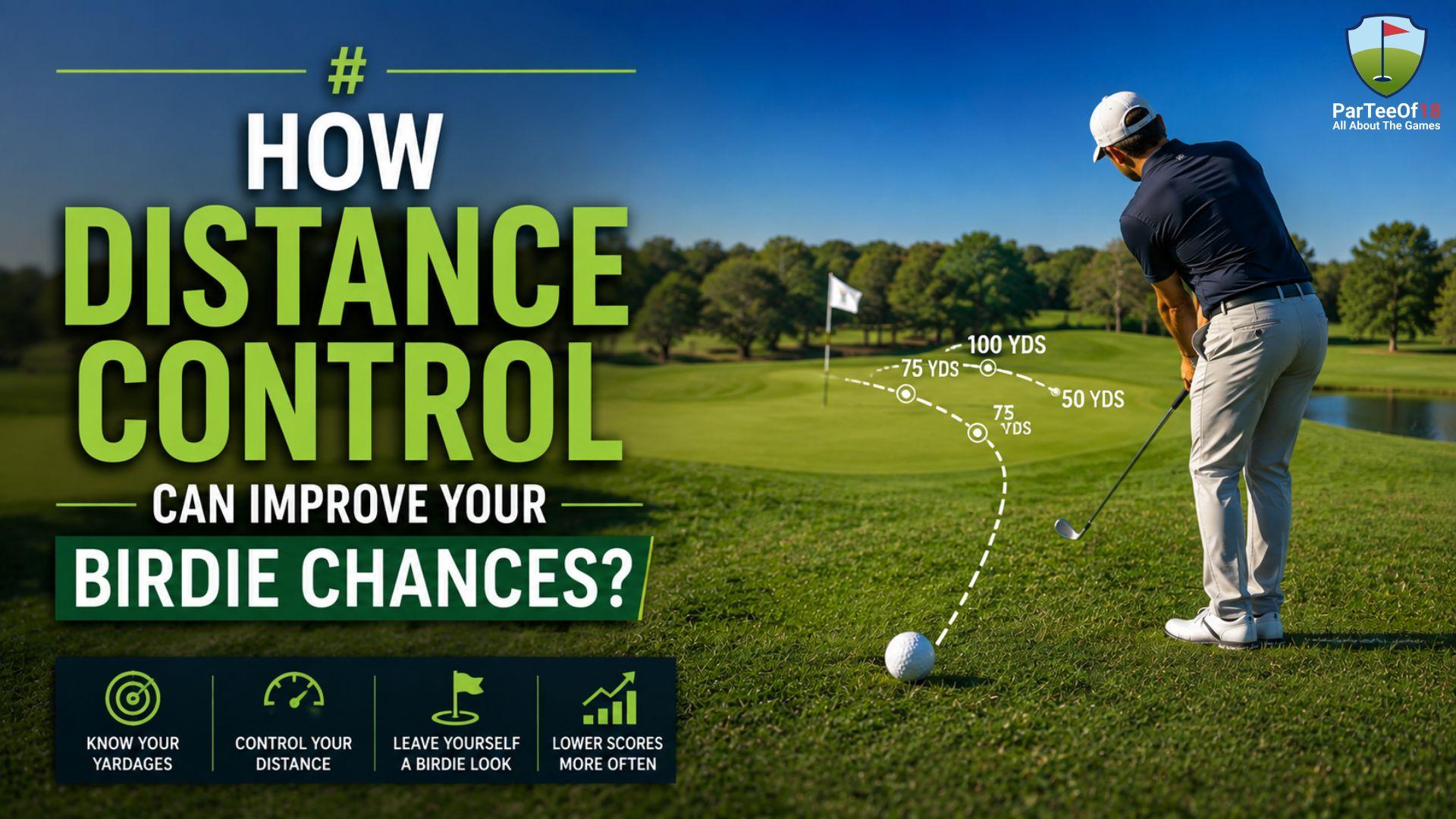
Ever watched a golfer stripe a drive down the middle of the fairway, only to leave their approach shot 40 feet short or sailing over the green? It happens more often than you'd think. Distance is the silent killer of good scorecards. You can have a picture-perfect swing, but if you can't judge how far the ball is going to travel, you're just guessing your way around the course.
Here's the thing nobody tells beginners: birdies aren't won with power. They're won with precision. And precision starts with knowing your numbers, trusting your gut, and controlling how far the ball actually goes, whether that's a full 150-yard iron shot or a delicate 6-foot putt.
In this article, we're going to break down exactly why distance control matters so much, how it connects directly to your birdie chances, and what you can start doing today to dial it in. No fluff, just practical stuff you can take straight to the range or the course this weekend.
What Exactly Is Distance Control in Golf?
Distance control simply means your ability to make the ball travel the exact distance you intend, whether that's off the tee, from the fairway, or on the green. It's less about how far you hit the ball and more about how consistently you can repeat that distance under pressure.
Full Swing Distance Control
This covers your irons, wedges, and even fairway woods. It's about knowing that your 7 iron flies 150 yards on a calm day, and trusting that number when you're standing over the ball with the pin tucked behind a bunker.
Putting Distance Control
Also called lag putting or speed control, this is arguably the most underrated skill in golf. It's the difference between leaving a 30 foot putt 3 feet short versus rolling it 6 feet past the hole into a tricky comeback putt.
Why Distance Control Matters More Than You Think?
Most amateur golfers obsess over swing mechanics and forget that a technically perfect shot hit the wrong distance still ends up in trouble. A slightly mishit shot at the right distance often finishes closer to the pin than a pure strike hit too far or too short.
The Direct Link Between Distance Control and Birdies
Birdies happen when you give yourself makeable putts, usually inside 10 feet. If your approach shots consistently land pin high, you're setting up short putts far more often, and that's where the real scoring damage happens.
The Hidden Cost of Poor Distance Judgment
Say you're playing a 380 yard par 4. Your drive is great, leaving 140 yards in. But you misjudge the distance and hit a club that's 15 yards too strong. Suddenly you're facing a 35 foot putt instead of a 10 footer. That one mistake just cost you a real shot at birdie.
How Distance Control Affects Your Approach Shots?
Your approach game is where distance control shows up the most obviously. Hitting the correct number consistently means you're not constantly scrambling to save par from awkward spots around the green, and instead you're regularly putting for birdie.
Club Selection and Yardage Accuracy
Knowing your exact carry distances for each club takes the guesswork out of the equation. A golfer who knows their pitching wedge goes 110 yards, not "somewhere between 100 and 120," will hit far more greens in regulation and closer to the flag.
Adjusting for Wind, Elevation, and Lie
Real courses aren't flat and calm. A 10 mph headwind or a shot from an uphill lie changes your effective distance significantly. Learning to adjust on the fly, rather than sticking rigidly to a number, keeps your approach shots tracking toward the pin instead of the rough.
Mastering Putting Distance Control for More Birdies
Here's a stat that surprises a lot of golfers: three putts almost always come from poor speed control, not bad reads. If you can consistently get your first putt within a 3 foot circle of the hole, your birdie in golf conversion rate climbs fast.
Lag Putting Drills That Actually Work
Try the ladder drill. Place three tees at 20, 30, and 40 feet, then putt to each one, focusing purely on speed rather than line. This trains your feel for distance separately from your read, which is exactly how touring pros practice speed control.
Reading Greens for Speed, Not Just Break
Speed changes the break. A putt hit firmly breaks less than one hit softly. Understanding this relationship helps you commit to a pace that both matches the distance and respects the slope, giving you a better shot at converting from range.
Real Life Example: How Distance Control Turned a Bogey Round Into Birdies?
I once played with a mid-handicap golfer, we'll call him Mark, who hit almost every fairway but still shot in the high 80s. His problem wasn't accuracy off the tee, it was that he consistently misjudged his iron distances by 10 to 15 yards.
After one round, we sat down and mapped out his actual carry distances using a simple rangefinder over a few range sessions. The next time we played, Mark hit four greens closer to the pin than usual and made two birdies in one round, something he hadn't done in months. Nothing changed in his swing. Only his understanding of distance did.
Practical Ways to Improve Your Distance Control
Improving distance control isn't about talent, it's about repetition and honest feedback. Small, consistent practice habits build the kind of feel that shows up naturally on the course when it matters most, especially with birdie putts on the line.
Use a Rangefinder or GPS Device
Knowing your exact yardage removes one major variable from every shot. Over time, pairing a rangefinder with note taking on how far each club actually flies builds a mental database you can trust under pressure.
Practice with Purpose, Not Just Volume
Hitting 100 balls at the same target teaches you nothing new. Instead, vary your targets every few shots, forcing your body and mind to recalibrate distance each time, much like you'd have to on an actual course.
Track Your Stats Over Time
Apps and simple notebooks both work. Recording your approach distances and resulting putt lengths over several rounds reveals patterns, like consistently coming up short with mid irons, that you can then specifically address in practice.
Common Mistakes That Ruin Distance Control
Even golfers who practice regularly fall into habits that quietly sabotage their distance control. Recognizing these mistakes is often the fastest way to fix them, since awareness alone changes how you approach each shot on the course.
Relying on Outdated Yardages
Your swing changes over time due to fitness, technique tweaks, or simply age. Using yardages from three years ago instead of testing current numbers is one of the most common and easily fixed distance control errors.
Ignoring Pressure Situations in Practice
Distance control on the range under no pressure is very different from a birdie putt with your buddies watching. Practicing with simulated pressure, like betting a small stake on drills, builds the composure needed to execute when it counts.
Final Thoughts on Distance Control and Birdie Chances
At the end of the day, golf rewards precision far more than raw power. Distance control connects every part of your game, from tee to green, into a system that consistently sets up scoring opportunities. It won't happen overnight, but the golfers who commit to understanding their numbers and refining their feel are the ones who start seeing more birdies on their scorecards.
So next time you're on the range, resist the urge to just smash driver after driver. Spend some time dialing in your wedges, working on lag putts, and genuinely learning how far you hit each club. Your birdie chances will thank you.
Frequently Asked Questions
1. What is distance control in golf?
Distance control refers to a golfer's ability to consistently hit the ball the intended distance, whether with a full swing or on the putting green, rather than just aiming for direction alone.
2. How does distance control help lower my golf score?
Better distance control means your shots finish closer to the target more often, leading to shorter putts, fewer three putts, and more realistic birdie and par opportunities throughout a round.
3. What is the best way to practice distance control for putting?
Lag putting drills, like putting to various distances without a hole target, help you develop feel for speed independent of line, which is the core skill behind good putting distance control.
4. Do I need a rangefinder to improve distance control?
While not mandatory, a rangefinder or GPS device removes guesswork from yardages and helps you build an accurate mental map of how far each club travels, speeding up improvement significantly.
5. Can beginners improve distance control quickly?
Yes. Beginners often see faster improvement than experienced golfers because they haven't developed bad habits yet. Consistent practice with clear yardage feedback can noticeably improve distance control within a few weeks.
6. Why do I often three putt even when my reads are good?
Three putts usually come from poor speed control rather than incorrect reads. Focusing practice specifically on distance and pace, not just the line of the putt, typically resolves this issue.

 Arabic
 French
 Spanish
 Portuguese
 Deutsch
 Turkish
 Dutch
Dutch
 Italiano
 Russian
 Romaian
 Portuguese (Brazil)
 Greek
Greek
 Bengali