


Hair Transplant in Dubai: Choosing the Right Hair Restoration Approach
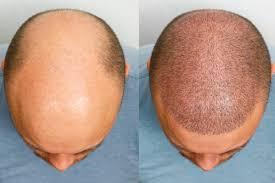
Choosing a hair restoration procedure is an important decision, especially when different techniques and treatment approaches are available. Hair loss can affect the hairline, crown, temples, or overall scalp density, and every person can experience it differently. Because of these differences, there is no single hair transplant method that is ideal for everyone.
A Hair Transplant in Dubai can be a suitable option for people experiencing certain types of permanent hair loss. The procedure involves transferring healthy hair follicles from a donor region to areas where hair has become thin or absent. The objective is not simply to increase the number of hairs but to create a natural distribution that complements the individual's existing appearance.
Understanding the available techniques, donor hair, hairline design, recovery, and long-term expectations can help you make a more informed decision.
Why Choosing the Right Technique Matters
Modern hair transplantation offers several approaches. Although the basic goal is the same, the harvesting and implantation methods can differ.
Selecting a technique based only on popularity may not provide the best outcome. Factors such as hair texture, donor density, degree of hair loss, scalp characteristics, previous procedures, and desired coverage should all be considered.
A personalized assessment can help determine which approach is most appropriate.
Understanding Your Hair Loss Pattern
Before choosing a treatment, it is important to understand where and how your hair is thinning.
Common patterns include:
- Receding temples
- Frontal hairline thinning
- Crown hair loss
- Diffuse thinning
- General reduction in hair density
- Localized bald patches
The pattern can help determine which areas should receive priority.
For example, someone with significant frontal recession may benefit from concentrating grafts around the hairline, while another person may need greater attention to the crown.
The Importance of Donor Hair
Donor hair is one of the most important resources in transplantation. These follicles are taken from a region where hair is typically more resistant to permanent loss.
A proper evaluation looks at both the quantity and quality of donor hair.
Donor Density
Higher density can provide more grafts for transplantation, although harvesting must still be conservative.
Hair Thickness
Thicker hair may create greater visual coverage than very fine hair.
Hair Characteristics
Curly or wavy hair may provide different visual coverage compared with straight hair.
Donor Stability
The long-term stability of the donor region is important when planning treatment.
Using donor follicles carefully is essential because the supply is limited.
FUE Hair Transplantation
Follicular Unit Extraction, commonly known as FUE, involves removing individual follicular units from the donor area.
The extracted grafts are then prepared and implanted into recipient areas.
One of the characteristics of FUE is that it does not require removing a continuous strip of scalp. Instead, individual extraction sites are created throughout the donor region.
FUE may be considered for people who prefer shorter hairstyles or who have suitable donor characteristics for individual extraction.
FUT Hair Transplantation
Follicular Unit Transplantation, or FUT, involves removing a strip of scalp from the donor area. Individual follicular units are then separated from this strip before being transplanted.
FUT can be useful in selected situations where a larger number of grafts is required or where donor characteristics make strip harvesting appropriate.
However, it produces a linear donor scar, making the choice of hairstyle and individual preferences relevant considerations.
DHI Hair Transplantation
Direct Hair Implantation, or DHI, uses specialized tools to implant prepared follicular units into the recipient area.
This technique can allow precise control over the placement and direction of grafts in appropriate cases.
DHI is not automatically better than every other approach. The most suitable technique depends on individual circumstances and treatment goals.
Hairline Design Should Be Personalized
The hairline is one of the first areas people notice after transplantation.
A natural-looking hairline generally contains gradual transitions rather than an extremely straight or dense front edge.
Several factors may be considered when planning it:
- Facial proportions
- Age
- Existing hairline
- Hair density
- Hair direction
- Future hair loss
- Donor availability
The design should also take future changes into account. Creating an excessively low hairline may require more grafts and may not remain balanced as a person ages.
Considering Hair Density
Many people assume that more grafts automatically mean a better result. However, graft placement needs to be strategic.
The available donor supply is limited, so grafts should be distributed carefully.
The frontal region may receive priority because it has a significant effect on facial appearance. Areas farther behind the hairline can then be treated according to available grafts and the overall treatment plan.
Evaluating Your Expectations
Realistic expectations are essential before undergoing a Hair Transplant in Dubai.
A transplant can improve coverage, but it cannot necessarily recreate the exact density of teenage hair.
The final appearance depends on:
- Number of available grafts
- Existing hair density
- Hair thickness
- Size of the treatment area
- Hair characteristics
- Healing
- Natural growth cycle
A good treatment plan should focus on achieving the strongest realistic improvement rather than promising unrealistic density.
What Happens During the Procedure?
Once the technique and treatment plan have been selected, the donor and recipient areas are prepared.
Depending on the selected approach, follicles are harvested from the donor region and prepared for implantation.
Recipient sites are then created according to the planned hairline and density. Grafts are positioned carefully so that their direction and angle blend with existing hair.
The duration of the procedure varies according to the number of grafts and the selected technique.
Recovery After Hair Transplantation
The recovery period varies among individuals.
Common temporary effects can include:
- Redness
- Mild swelling
- Small crusts
- Scalp sensitivity
- Tightness
- Temporary shedding
Following post-treatment instructions is important during this stage.
Patients may be advised to avoid strenuous activities, direct pressure, excessive sun exposure, and unnecessary touching of the scalp for a specified period.
Understanding Temporary Hair Shedding
One of the most confusing stages after transplantation can be temporary shedding.
Some transplanted hair shafts may fall out after the procedure while the follicles remain in place. This can occur as the follicles transition through their natural growth cycle.
New hair growth develops gradually afterward.
Because of this process, judging the success of treatment too early can create unnecessary concern.
When Will Results Become Visible?
Hair restoration requires patience.
The initial recovery happens before significant new growth becomes noticeable. Over subsequent months, transplanted hairs gradually emerge and become stronger.
The exact timeline differs between individuals.
Factors such as genetics, healing, follicular characteristics, and treatment area can influence how quickly the result develops.
Long-Term Hair Care
Transplanted follicles may provide long-lasting growth, but existing native hair can continue to thin.
For this reason, maintaining a long-term hair-care strategy can be valuable.
A professional may recommend suitable hair-loss management options depending on the individual's circumstances.
Healthy nutrition, gentle scalp care, adequate sleep, and avoiding unnecessary chemical or physical damage can also support general hair health.
Questions to Ask Before Choosing Treatment
Before undergoing transplantation, consider asking about:
Which Technique Is Appropriate?
Understand why a particular technique has been recommended instead of choosing based solely on advertisements.
How Many Grafts Are Needed?
The number should be based on the treatment area and available donor supply.
What Result Is Realistic?
Understanding expected density can prevent unrealistic expectations.
How Long Is Recovery?
Knowing the expected recovery period allows you to plan work and social activities.
What Happens to Existing Hair?
Ask how future native hair loss may affect your long-term appearance.
Frequently Asked Questions
Is FUE always better than FUT?
No. Both techniques have different characteristics, and the appropriate option depends on the individual.
Can a hair transplant treat crown thinning?
Crown restoration may be possible when sufficient donor follicles are available, although the amount of coverage depends on individual circumstances.
Can I choose my own hairline?
Your preferences can be discussed, but the final design should also consider facial proportions, donor availability, natural hair patterns, and future hair loss.
Does transplanted hair require special care forever?
After complete healing and maturation, transplanted hair can generally be managed similarly to natural hair. However, overall scalp and native hair health should still be maintained.
Can hair loss continue after transplantation?
Yes. Transplantation does not necessarily stop the progression of hair loss in existing non-transplanted follicles.
Conclusion
Choosing the right approach for a Hair Transplant in Dubai requires more than comparing techniques. Your hair-loss pattern, donor supply, hair characteristics, treatment goals, age, and expectations all play important roles in determining the most suitable strategy.
A carefully planned procedure can focus on creating natural-looking coverage while preserving valuable donor follicles for the future. Tajmeels clinic can be considered when researching personalized hair restoration options and learning more about the different approaches available.
The best hair restoration plan is one that is designed around your individual needs rather than following a one-size-fits-all method.

 Arabic
 French
 Spanish
 Portuguese
 Deutsch
 Turkish
 Dutch
Dutch
 Italiano
 Russian
 Romaian
 Portuguese (Brazil)
 Greek
Greek
 Bengali