


Boat Trailer Buying Guide Australia: 12 Things to Check Before You Buy
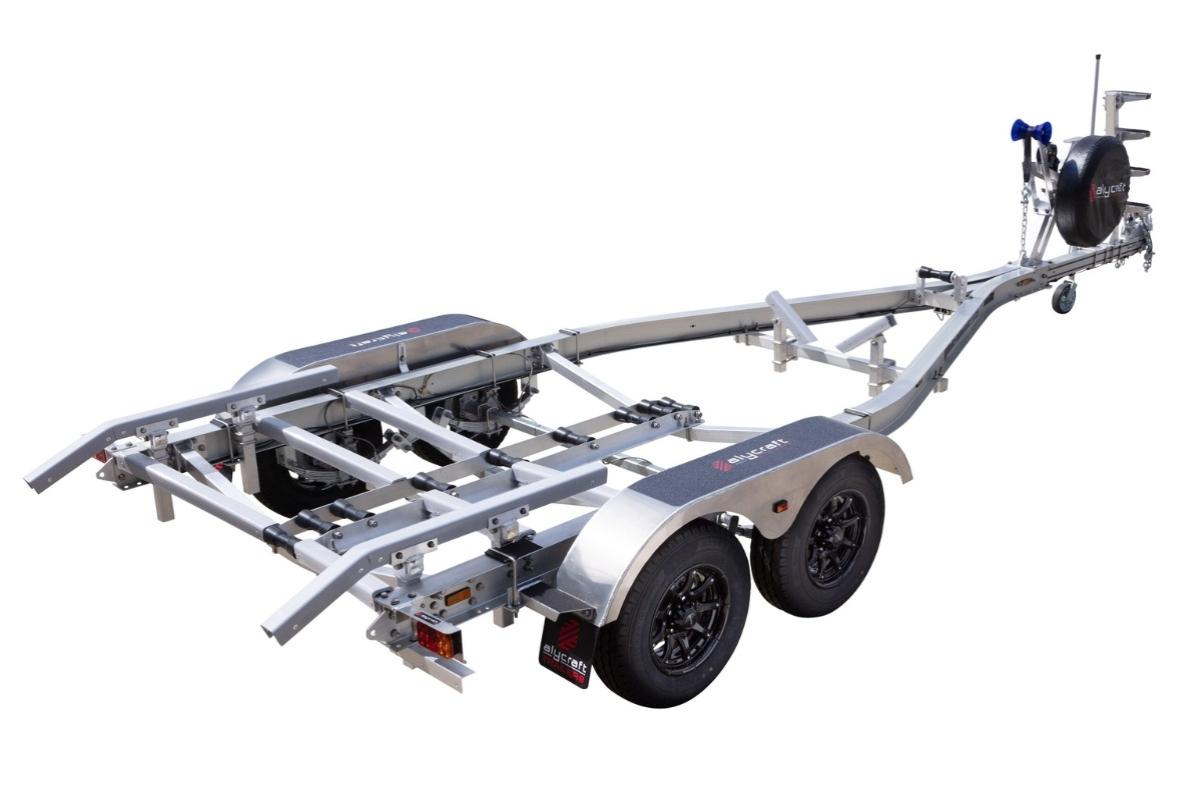
Buying the right boat trailer is an important part of owning and enjoying a boat in Australia. A trailer does much more than transport your boat from home to the water; it supports the hull, affects towing stability, influences launching and retrieval, and plays a major role in overall road safety. Whether you are comparing a boat trailer for sale for a new boat or replacing an older trailer, choosing the right capacity, dimensions, materials and braking system can save you from expensive problems later. Australian conditions also mean that your trailer may regularly encounter saltwater, long highway trips, rough boat ramps and changing weather, so durability and corrosion resistance should be high on your list.
There are many boat trailers for sale across Australia, ranging from basic lightweight models to heavy-duty custom trailers designed for larger vessels. However, the cheapest option is not always the most suitable one. You need a trailer that matches your boat's actual loaded weight, hull shape, length, towing vehicle and intended use. Queensland buyers, in particular, should also consider registration, safety certificates and local towing requirements. Queensland requires trailers used on its roads to be registered, while trailers between 750 kg and 4,500 kg ATM generally require a safety certificate when registration is transferred.
1. Check the Boat's Actual Loaded Weight
One of the first things to establish before buying a trailer is the actual weight of your boat when it is ready for travel. Do not rely solely on the dry weight provided for the hull.
Your towing weight can include the boat, outboard motor, fuel, batteries, fishing equipment, safety equipment, accessories and other items stored on board. Queensland's towing guidance specifically notes that boat loads can include the motor, fuel, fishing gear and safety equipment.
Choose a trailer with an appropriate Aggregate Trailer Mass (ATM) for the complete load rather than selecting one that is only just large enough for the empty boat. Having a suitable capacity gives you a better safety margin and allows for equipment you may add later.
If you are uncertain about the combined weight, having the loaded combination weighed is a practical way to confirm what you actually need.
2. Match the Trailer to Your Boat's Dimensions
Length alone is not enough when selecting a boat trailer. You should consider the boat's overall length, beam, hull design, transom dimensions and the position of the towing eye.
The trailer should provide proper support without placing excessive pressure on particular sections of the hull. A trailer designed for one hull configuration may not be ideal for another, even when both boats have similar dimensions.
Custom fitting can be particularly useful for larger boats or specialised hull designs. The goal is to ensure that rollers, bunks, supports and guides work with the shape of your boat rather than forcing the boat to fit a generic configuration.
3. Examine the Trailer's Construction Material
Material choice has a major impact on a trailer's weight, maintenance requirements and resistance to Australia's demanding marine environment.
Steel trailers can provide strength, but corrosion can become a concern when they are regularly exposed to saltwater. For frequent coastal use, aluminium is an attractive option because it is lightweight and naturally resistant to corrosion compared with conventional steel.
This is one reason many Australian boat owners consider aluminium boat trailers for sale when replacing an older trailer. A lighter trailer can also help reduce the overall towing load, provided the trailer remains appropriately rated for the boat.
The construction should always be assessed as a complete system, including the chassis, cross members, drawbar, suspension, fittings and other components.
4. Check the ATM and Payload Capacity
A trailer's ATM is one of the most important specifications to understand before purchasing. It represents the maximum permissible mass of the trailer and its load when standing on the ground.
Do not confuse the trailer's own empty weight with its usable carrying capacity. A trailer may appear suitable based on its dimensions but still be unsuitable once the boat, motor and equipment are included.
Your trailer capacity should also work within the towing limits of your vehicle. Queensland guidance advises drivers not to exceed the towing limits specified for their vehicle and recommends considering passengers, vehicle equipment, modifications and the trailer load when assessing the combination.
5. Make Sure Your Vehicle Can Tow It
Before choosing from New Boat Trailers for Sale, check your vehicle's towing capacity and the relevant towbar rating.
The complete combination needs to be considered, not simply the trailer's rated capacity. A trailer that can technically carry your boat may still be inappropriate if your vehicle cannot legally or safely tow the loaded mass.
Remember that towing can affect acceleration, braking, manoeuvrability and fuel consumption.
It is also important to consider how the boat will be used. Regular highway travel, steep boat ramps and long-distance trips may place different demands on your towing combination than occasional short journeys.
6. Inspect the Braking System
A reliable braking system is essential, particularly for heavier boats.
When comparing trailers, find out what braking system is fitted and whether its capacity is appropriate for the trailer's loaded mass. Inspect brake components carefully on a used trailer and ask about maintenance history.
For larger trailers, the braking system becomes even more important because the additional mass affects stopping performance. Queensland's towing requirements include specific provisions for braking, and the towing combination must meet applicable standards.
A good trailer should have a braking setup that is suitable for its design, load and intended use rather than simply having brakes added as an afterthought.
7. Check the Suspension
Suspension affects ride quality, handling, load distribution and the way the boat is supported while travelling.
Look for a suspension system appropriate to the trailer's weight and the conditions in which you intend to use it. If you regularly travel on uneven roads or tow a heavier boat, suspension quality becomes especially important.
For a used trailer, inspect springs, bushes, mounts and other suspension components for signs of wear, corrosion, damage or uneven movement.
The trailer should sit correctly when loaded, with the boat properly supported and the wheels positioned to maintain stable towing behaviour.
8. Inspect Rollers, Bunks and Boat Support
The trailer should support the boat correctly along the hull. Rollers and bunks need to be positioned so that the load is distributed appropriately.
Poor support can create pressure points, make launching difficult and potentially contribute to hull damage over time.
Pay particular attention to the condition of rollers, brackets and adjustment points. If the boat does not sit straight or the support components are badly worn, the trailer may require significant work.
A well-configured trailer should also make launching and retrieving straightforward. Good alignment systems can make a noticeable difference when using a busy or challenging boat ramp.
9. Examine the Coupling, Drawbar and Safety Chains
The coupling and drawbar are critical components because they connect the trailer to your towing vehicle.
Check the coupling for wear, damage, corrosion and secure operation. The drawbar should be structurally sound, with no obvious cracks, distortion or questionable repairs.
Safety chains also require careful attention. Queensland specifies requirements for safety chains based on trailer mass and requires appropriate connections to the towbar.
Do not overlook the chain attachments simply because the coupling appears strong. Every part of the connection between the trailer and vehicle needs to work together as intended.
10. Inspect Wheels, Tyres and Bearings
Boat trailers often spend time near water, making wheel bearings particularly important.
Before purchasing a used trailer, inspect the tyres for uneven wear, cracking, damage and insufficient tread. Check that the wheels are suitable for the trailer and that there are no signs of structural damage.
Wheel bearings deserve special attention because water exposure can contribute to premature wear if they are not correctly maintained. If a trailer has been regularly used in saltwater, ask about its cleaning and servicing routine.
For a new trailer, confirm the tyre specifications, wheel ratings and bearing setup so you understand the maintenance requirements from the beginning.
11. Check Lights, Electrical Components and Registration Requirements
All road-going equipment needs to meet applicable requirements, and the trailer's lighting and electrical systems should be inspected before purchase.
Check the rear lights, indicators, number plate illumination and wiring. Look for damaged cables, loose connections or corrosion around electrical components.
Queensland requires trailers used on its roads to be registered, and the number plate must be appropriately displayed and illuminated.
If you are buying a used trailer, check its registration status and paperwork before completing the purchase. Queensland also requires a current safety certificate in relevant registration transfer situations for trailers with an ATM between 750 kg and 4,500 kg.
12. Consider Saltwater Use and Long-Term Maintenance
Australia has an extensive coastline, and many boat trailers regularly enter saltwater. If you mainly launch in marine environments, corrosion resistance should be one of your biggest considerations.
Rinsing the trailer thoroughly with fresh water after saltwater use can help reduce salt buildup. You should pay attention to the chassis, brakes, suspension, wheels, bearings, fasteners and electrical connections.
This is another area where aluminium construction can be advantageous. A well-built aluminium trailer can provide a useful combination of reduced weight and corrosion resistance for marine applications.
However, aluminium does not mean maintenance-free. Regular inspections and cleaning are still necessary if you want your trailer to remain reliable for many years.
New or Used: Which Boat Trailer Is Better?
The decision between new and used depends on your budget, boat and expectations. A used trailer can appear attractive because of its lower purchase price, but you should consider the potential cost of replacing tyres, bearings, suspension components, brakes, rollers, lights and other parts.
A new trailer gives you the opportunity to specify the capacity, dimensions and configuration around your boat from the beginning. It can also be a sensible choice when your existing trailer is showing extensive corrosion or structural wear.
When searching for boat trailers for sale in Queensland, focus on suitability rather than simply comparing advertised prices. A correctly fitted trailer can be a better long-term investment than a cheaper trailer that needs extensive modifications.
For buyers searching specifically for QLD boat trailers for sale, it is also worth considering where the trailer will be manufactured, how it will be fitted to your boat and whether delivery or fitting services are available.
Why Custom Fit Matters
Every boat has its own characteristics, and a trailer should reflect those characteristics. The hull shape, boat length, weight, engine position and towing eye location can all affect how the trailer should be configured.
A custom-fit approach can help ensure the boat sits correctly and that the load is distributed appropriately. It can also make launching and retrieving easier.
This is particularly valuable for larger boats where small differences in weight distribution or support positioning can have a greater effect on towing performance.
Final Thoughts
Buying a boat trailer in Australia should be approached as carefully as buying the boat itself. Start by establishing the boat's fully loaded weight and dimensions, then match the trailer's ATM, construction, suspension, braking system and support configuration to your requirements. Do not forget to check the tow vehicle's capacity, coupling, safety chains, tyres, bearings, electrical system and registration requirements.
For Queensland buyers, understanding the applicable registration and safety requirements is especially important. Queensland requires road-going trailers to be registered, while relevant trailers between 750 kg and 4,500 kg ATM require a safety certificate when registration is transferred.
If you are looking for a purpose-built aluminium option, Alycraft manufactures aluminium boat trailers designed around individual boats and offers trailers for a range of boat sizes and capacities. Its trailer range is built in Brisbane and includes options from 2,000 kg to 4,500 kg ATM, with Australia-wide delivery available.
To explore suitable trailer options and learn more about choosing a trailer for your boat, visit Alycraft Trailers. The right trailer should provide dependable support, safe towing, practical launching, and long-term durability, making every trip to the water easier and more enjoyable.

 Arabic
 French
 Spanish
 Portuguese
 Deutsch
 Turkish
 Dutch
Dutch
 Italiano
 Russian
 Romaian
 Portuguese (Brazil)
 Greek
Greek
 Bengali