


Liposuction in Jeddah: How Targeted Fat Removal Can Refine Body Contours
Liposuction in Jeddah: How Targeted Fat Removal Can Refine Body Contours
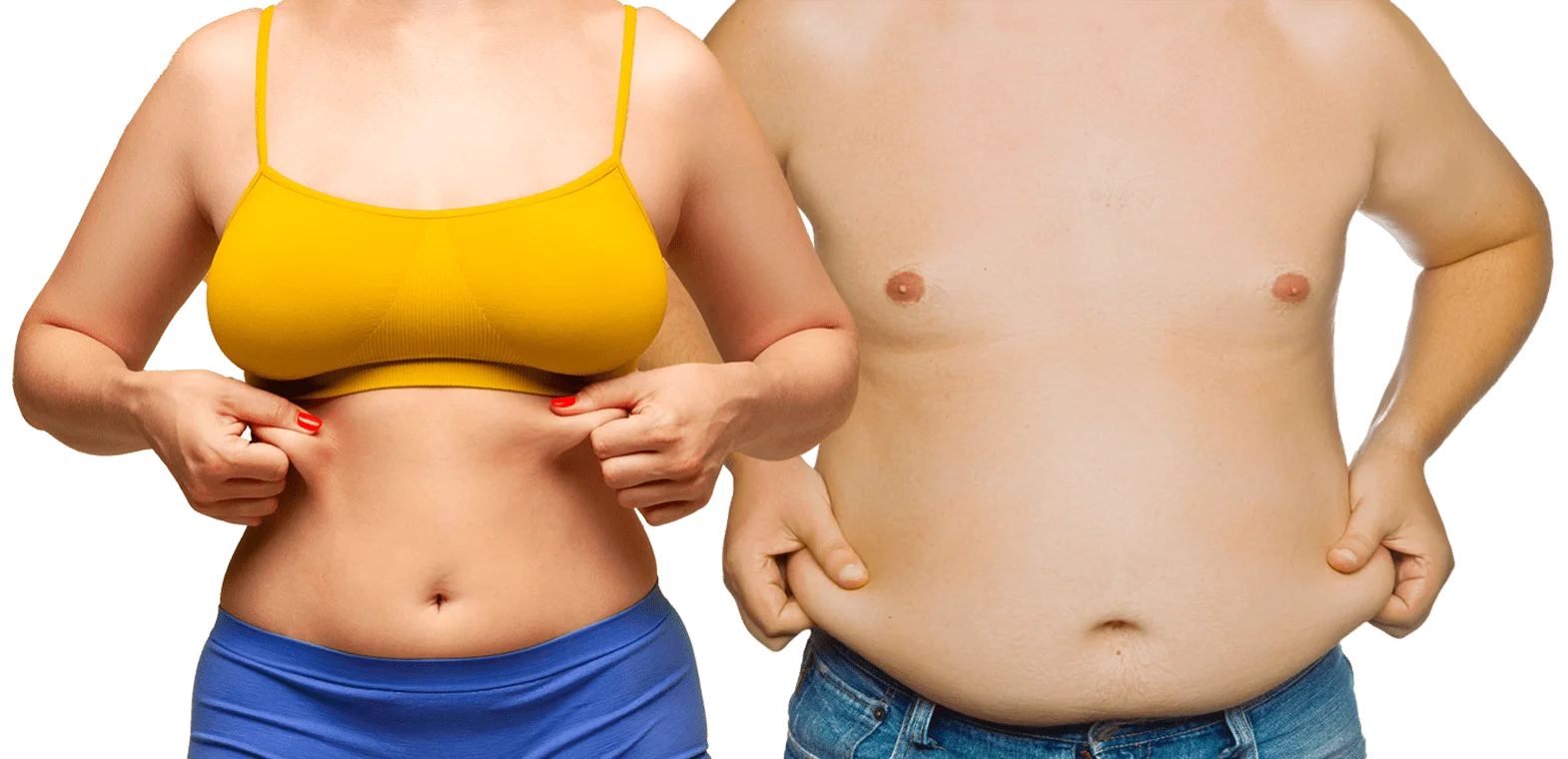
Liposuction in Jeddah is a cosmetic surgical procedure that can help suitable individuals reduce localized fat deposits and improve the shape of specific body areas. Many people work toward maintaining a healthy weight through balanced nutrition and regular physical activity but still notice stubborn pockets of fat that do not respond in the way they expect. These deposits can occur in areas such as the abdomen, waist, hips, thighs, arms, back, and beneath the chin.
Liposuction focuses on contouring rather than general weight loss. Before considering treatment, it is important to understand how the procedure works, who may be suitable, what preparation involves, and how the body changes during recovery.
What Is Liposuction?
Liposuction is a surgical fat-removal technique designed to reduce localized deposits of subcutaneous fat.
During the procedure, small incisions are made in selected locations. A thin cannula is inserted through these openings and carefully moved through the fatty tissue. The targeted fat is then removed in a controlled manner.
The goal is generally to create a smoother and more balanced contour. The surgeon considers the surrounding body areas to avoid an overly aggressive or unnatural appearance.
Liposuction can involve one treatment area or several areas, depending on the patient's individual needs and medical suitability.
Why Is Localized Fat Sometimes Difficult to Reduce?
The human body does not store fat uniformly.
Genetic factors can influence where fat accumulates. Hormonal changes, aging, activity levels, and overall body composition can also affect fat distribution.
As a result, someone may successfully lose weight while retaining a noticeable amount of fat around the abdomen. Another person may have persistent fullness around the thighs or hips despite maintaining a stable weight.
Liposuction may be considered when these localized deposits are the primary aesthetic concern.
Liposuction Is Not a Substitute for Weight Loss
One of the most important aspects of understanding liposuction is recognizing its purpose.
The procedure is not designed to treat obesity or replace a healthy weight-management plan.
It is generally more appropriate for people who are relatively close to a stable weight but have specific areas of excess fat.
The main objective is contour improvement. Patients should therefore focus on how the treated area may change rather than expecting major overall weight reduction.
Areas Commonly Treated
Abdomen
The abdomen is a frequent treatment area. Localized abdominal fat can create unwanted fullness and affect the definition of the waist.
Careful removal may improve the contour of the midsection.
Waist and Flanks
Fat along the sides of the waist can make the body appear less defined.
Treating the flanks may help create a smoother transition between the waist and hips.
Hips
Localized fat around the hips can influence lower-body proportions. Liposuction may reduce this fullness when the patient is an appropriate candidate.
Thighs
The inner and outer thighs may be treated selectively. The goal is generally to reduce localized fat while preserving natural leg proportions.
Upper Arms
Excess fat in the upper arms can sometimes be treated with liposuction. Skin elasticity should be assessed because significant loose skin may remain after fat removal.
Back
Localized deposits around the back may affect the appearance of the torso or become visible through clothing.
Targeted fat removal may improve the smoothness of the area.
Chin
Fat beneath the chin can affect jawline definition. Submental liposuction may be considered when localized fat is responsible for the fullness.
The Role of Skin Elasticity
Skin quality can influence the final result.
After fat is removed, the skin needs to adapt to the new contour. Individuals with good elasticity may experience more effective skin contraction.
If the skin is significantly loose, liposuction alone may not provide the desired improvement.
A medical examination can determine whether excess fat is the main issue or whether skin laxity also needs to be addressed.
Who May Be a Candidate?
A potential candidate is generally an adult who is in suitable overall health, has relatively stable weight, and has localized fat deposits.
Realistic expectations are important.
Patients should understand that liposuction can improve selected contours but cannot guarantee perfect symmetry or completely change the natural structure of the body.
A person should also be able to follow medical instructions during preparation and recovery.
Medical Consultation
A detailed consultation should take place before surgery.
The medical professional can examine the areas of concern and assess fat distribution, skin quality, and body proportions.
The patient's medical history is also reviewed. It is important to provide accurate information about medications, supplements, allergies, previous procedures, and relevant health conditions.
The consultation should also include information about the planned surgical technique, anesthesia, recovery, potential risks, and expected results.
Preparing for Liposuction
Preparation differs depending on the individual and the extent of treatment.
Patients may receive instructions about medications, supplements, smoking, food and drink restrictions, and physical activity.
These instructions should be followed carefully.
Transportation should be arranged in advance when anesthesia or medication makes driving unsafe.
Patients may also benefit from arranging help with household responsibilities during the initial recovery period.
The Procedure
Before surgery, the treatment areas may be marked to guide fat removal.
Anesthesia is administered according to the treatment plan.
Small incisions are created, and a cannula is introduced beneath the skin. The surgeon moves it through the targeted fat and removes selected deposits.
Careful control is important because removing excessive amounts can create contour irregularities.
After treatment, the incisions are managed according to the surgical plan. Compression garments may be recommended.
What to Expect During Recovery
Swelling and bruising are common following liposuction.
Other temporary effects can include soreness, tightness, tenderness, and changes in skin sensation.
Compression garments may be recommended to help control swelling and support the treated areas.
Gentle walking may be encouraged when appropriate, but strenuous exercise and heavy lifting usually need to be postponed.
The return to normal activities should be based on the individual's recovery and medical advice.
Follow-Up Care
Follow-up visits are important after surgery.
The medical team can evaluate healing, swelling, and changes in the body contour.
Patients can also receive guidance about activity levels, compression garments, and other aspects of recovery.
Any unusual or concerning symptoms should be reported promptly.
When Will Results Become Visible?
The final result develops gradually.
Immediately after surgery, swelling can obscure the improved contour. Some areas may look uneven during the early healing period.
As swelling decreases, the treated areas generally become more defined.
The timeline differs according to the treatment area, surgical extent, and individual healing response.
Patients should avoid judging the final outcome too early.
Maintaining the Contour
Liposuction removes fat cells from the treated area, but it does not prevent future weight gain.
Remaining fat cells can increase in size when body weight rises significantly.
Maintaining a stable weight is therefore important for preserving the body contour.
Balanced nutrition and regular physical activity can help support long-term results.
Potential Risks and Complications
Liposuction carries risks associated with surgery.
Possible complications include infection, bleeding, swelling, fluid accumulation, scarring, changes in sensation, contour irregularities, and anesthesia-related complications.
The risk depends on individual health and the extent of the procedure.
Patients should discuss these risks before surgery and understand postoperative warning signs.
Making an Informed Choice
When researching liposuction in Jeddah, patients should prioritize medical suitability and safety.
Cost may be one consideration, but it should not be the only factor.
Patients should also consider individualized treatment planning, appropriate surgical facilities, professional qualifications, and postoperative follow-up.
Claims that promise guaranteed results or dramatic weight loss should be viewed cautiously.
Supporting Results Through Lifestyle
Liposuction should complement healthy habits.
Regular physical activity can help maintain muscle tone, while balanced nutrition supports a stable weight.
Although treated fat cells are removed, the body remains capable of storing fat in other cells.
Healthy long-term habits can therefore help preserve the improved contour.
Conclusion
Liposuction in Jeddah can be a useful body-contouring option for appropriately selected individuals who want to reduce localized fat deposits. It may be considered for areas such as the abdomen, waist, hips, thighs, upper arms, back, and beneath the chin.
The procedure is not designed to replace weight loss, and results depend on factors such as skin elasticity, body structure, treatment planning, and individual healing.
A personalized medical consultation should always be obtained before surgery. By understanding the procedure, preparing appropriately, following postoperative instructions, and maintaining realistic expectations, individuals can make a more informed decision about targeted fat removal and body contouring.

 English
 Arabic
 French
 Spanish
 Portuguese
 Deutsch
 Dutch
Dutch
 Italiano
 Russian
 Romaian
 Portuguese (Brazil)
 Greek
Greek
 Bengali