


Arm Lift Surgery in Jeddah: How Aging Can Change Upper-Arm Appearance
Arm Lift Surgery in Jeddah: How Aging Can Change Upper-Arm Appearance
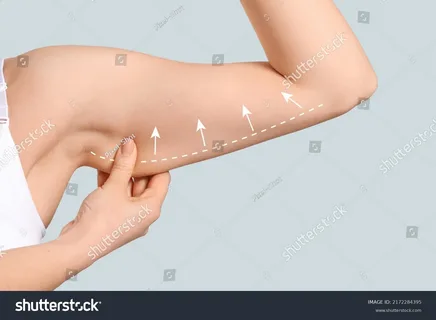
Arm lift surgery in Jeddah is a body-contouring procedure that can help address loose or sagging skin around the upper arms. Also known as brachioplasty, the procedure may be considered by people whose arms have changed with age, weight fluctuations, genetics, or significant weight loss.
Aging is a natural process, but changes in skin elasticity can make the upper arms appear less firm over time. Exercise can strengthen the muscles beneath the skin, but it cannot remove substantial excess tissue. For individuals with significant skin laxity, an arm lift may provide a surgical solution.
How Aging Affects the Upper Arms
As the body ages, several changes occur within the skin.
Collagen and elastin production gradually changes, and the skin may lose some of its firmness and ability to contract. Fat distribution can also change, while muscle mass may decrease without regular resistance training.
These factors can combine to create a softer or less defined upper-arm appearance.
Skin Elasticity and Aging
Elasticity plays an important role in how the skin responds to changes in body size.
Younger skin generally has greater elasticity, while aging skin may not retract as effectively after stretching.
This does not mean that every older adult will develop significant arm laxity. Genetics, lifestyle, weight history, and individual skin characteristics all influence the process.
The Effect of Weight Changes
Aging may be accompanied by changes in body weight.
Repeated cycles of weight gain and loss can stretch the skin and contribute to persistent laxity.
Significant weight loss can make this particularly noticeable because the underlying volume decreases while stretched skin remains.
Why Exercise Has Limitations
Regular exercise can improve muscle strength and overall fitness.
Upper-body resistance exercises may help build the triceps, biceps, and shoulder muscles, potentially improving definition.
However, exercise cannot remove a substantial amount of excess skin.
For people whose primary concern is hanging skin, surgical body contouring may be considered.
What an Arm Lift Can Do
Brachioplasty removes excess skin from the upper arm and repositions the remaining tissue.
The procedure can improve the outline of the arm and reduce hanging folds.
The degree of improvement depends on the amount of excess tissue, skin quality, surgical technique, and individual healing.
Who May Consider an Arm Lift?
Potential candidates generally have significant upper-arm skin laxity and realistic expectations.
They should be in suitable overall health and preferably maintain a relatively stable weight.
Patients should also understand that surgery creates a permanent scar.
Age alone does not determine suitability. Overall health and individual circumstances are more important considerations.
Importance of a Medical Assessment
Before surgery, the upper arms should be carefully evaluated.
The assessment may examine skin elasticity, amount of excess tissue, localized fat, existing scars, and overall body proportions.
Medical history is also reviewed to identify factors that could affect surgery or recovery.
Choosing the Right Surgical Technique
The amount of skin laxity determines the appropriate approach.
A limited arm lift may be considered for smaller amounts of excess skin.
A traditional brachioplasty may be necessary when more extensive skin removal is required.
An extended procedure may be considered if loose tissue continues toward the side of the chest.
Discussing Scars
Scarring is an important part of the decision-making process.
A traditional arm lift generally produces a scar along the inner upper arm.
The scar's length depends on how much skin needs to be removed.
Although scars can become less prominent over time, they remain permanent.
Patients should consider whether they are comfortable accepting this trade-off.
Preparing for Surgery
Preparation involves both medical and practical planning.
Patients should disclose all medications, supplements, allergies, previous procedures, and relevant medical information.
They should also arrange appropriate assistance during recovery.
Preparing comfortable clothing and organizing frequently used items can reduce unnecessary arm movement.
What Happens During the Procedure?
After appropriate anesthesia, the surgical area is prepared.
An incision is made according to the selected technique.
Excess skin is removed, and the remaining tissue is repositioned to improve the contour.
If localized fat contributes to the arm shape, additional contouring may sometimes be included.
The incision is then closed carefully.
Early Recovery
Patients commonly experience swelling, bruising, tightness, and tenderness after surgery.
The arms may initially feel stiff or uncomfortable.
Heavy lifting and strenuous activities are generally restricted while the tissues heal.
Compression garments may be recommended depending on the surgical approach.
Returning to Normal Activities
Recovery varies according to the individual and the extent of surgery.
People with desk-based jobs may resume certain activities sooner than those whose work involves physical effort.
Patients should avoid rushing back to heavy lifting or repetitive arm movements.
A gradual return to normal activities is generally more appropriate.
Exercise After Healing
Once sufficient healing has occurred, exercise can become an important part of maintaining arm definition.
Resistance training can help preserve muscle mass and support overall body composition.
Exercise should be restarted gradually and according to professional guidance.
Managing Swelling
Swelling can temporarily obscure the final contour.
One arm may also swell more than the other during early recovery.
These changes can make the arms look uneven temporarily.
As healing continues, swelling decreases and the final shape becomes more apparent.
Potential Risks
Potential complications include infection, bleeding, fluid accumulation, delayed wound healing, changes in sensation, asymmetry, contour irregularities, and unfavorable scarring.
Patients should discuss their individual risks before surgery.
Following postoperative instructions can help support appropriate healing.
Maintaining Results as You Age
An arm lift can provide lasting improvement, but aging continues after surgery.
Skin elasticity may gradually change over time.
Maintaining a stable weight, eating a balanced diet, staying physically active, and protecting the skin from excessive sun exposure can support overall skin health.
Psychological Considerations
Changes in the upper arms can affect self-confidence.
Some people become uncomfortable wearing sleeveless clothing or participating in activities where their arms are visible.
Improved contour may help some individuals feel more comfortable with their appearance.
However, realistic expectations remain important.
Arm Lift Versus Non-Surgical Options
Non-surgical treatments may be considered for mild skin laxity.
However, when there is a significant amount of excess skin, non-surgical methods generally cannot physically remove the tissue in the same way as surgery.
The most appropriate option depends on the severity of the concern.
Making an Informed Decision
Patients should consider the expected improvement alongside the limitations.
Important considerations include:
-
Permanent scarring
-
Recovery time
-
Activity restrictions
-
Potential complications
-
Weight stability
-
Long-term expectations
A detailed consultation can help determine whether the procedure is appropriate.
Conclusion
Arm lift surgery in Jeddah can help address age-related upper-arm skin laxity by removing excess tissue and improving the overall contour. Aging can reduce skin elasticity, making exercise less effective at correcting substantial loose skin.
Brachioplasty may be suitable for carefully selected individuals who have realistic expectations and are comfortable with the recovery process and permanent scarring.
A personalized medical evaluation is essential because age, skin quality, weight history, overall health, and the amount of excess tissue all influence treatment planning. With appropriate preparation and long-term care, an arm lift can provide meaningful improvement in upper-arm appearance.

 English
 Arabic
 French
 Spanish
 Portuguese
 Deutsch
 Turkish
 Dutch
Dutch
 Italiano
 Romaian
 Portuguese (Brazil)
 Greek
Greek
 Bengali