


Equipment Design and Manufacturing Done Right
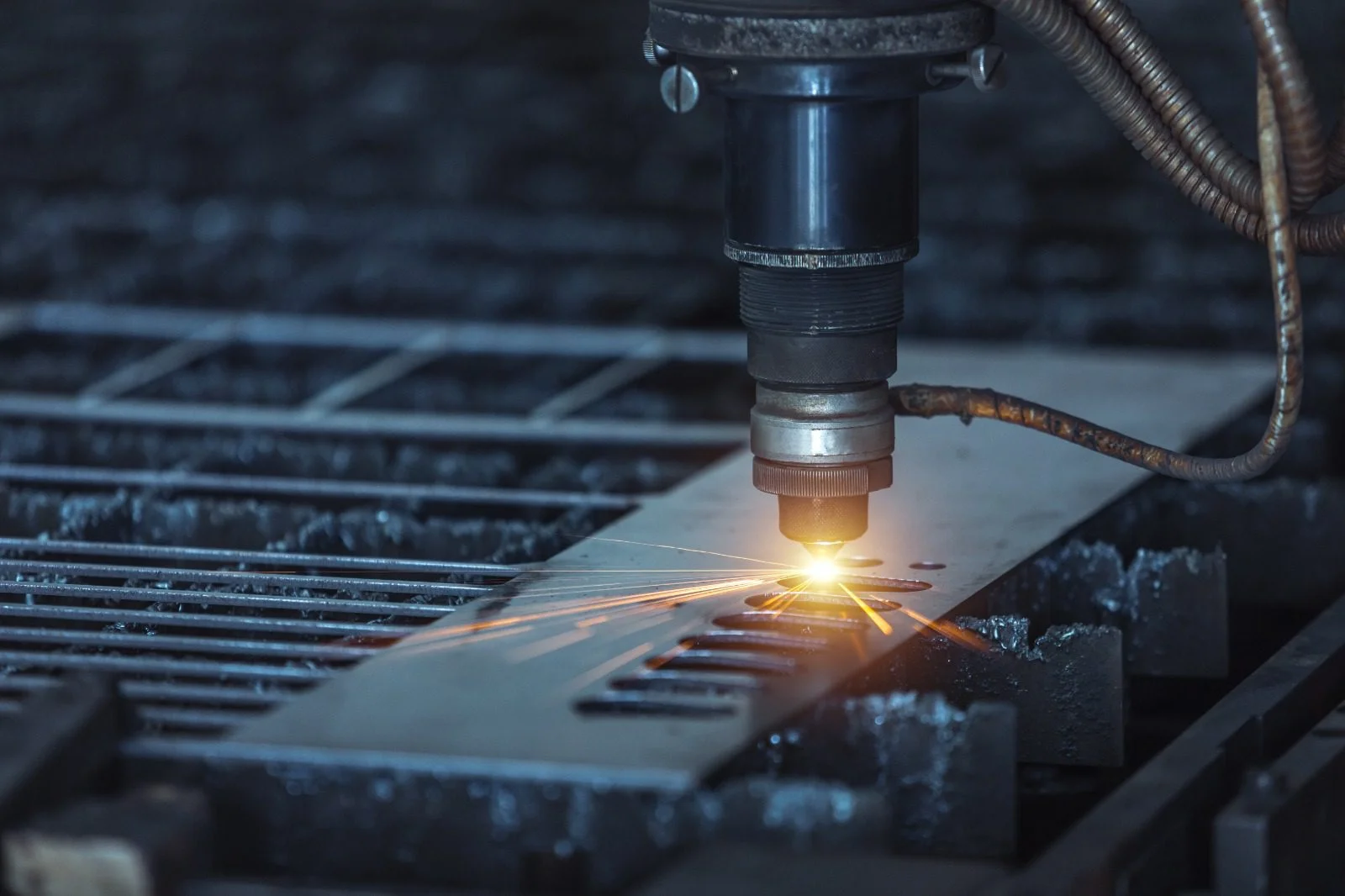
A well-designed machine doesn't just work on day one; it keeps working reliably for years without surprises. That outcome doesn't happen by accident. It's the result of thoughtful equipment design and manufacturing decisions made long before a single part reaches the shop floor.
I've worked alongside engineers who spent weeks refining a design before manufacturing even began, and I've also seen rushed projects where corners were cut to save time. The difference in long-term performance between the two is never subtle.
Starting With the Right Design Foundation
Good equipment design starts with a clear understanding of how a machine will actually be used, not just how it's supposed to work on paper. Load conditions, environmental exposure, maintenance access, and expected service life all shape the decisions an engineer makes at the drawing board.
Skipping this stage almost always leads to problems later. A design that looks efficient in a CAD model can turn into a maintenance headache if technicians can't easily reach a component that needs regular servicing. Small oversights like this add up over the lifetime of a machine.
Prototyping helps catch these issues early, before they become expensive mistakes in full production. Even a simple test fit can reveal an assembly problem that wasn't obvious in the digital model.
Turning Designs Into Functional Parts
Once a design is finalized, the real test is whether it can be manufactured accurately and consistently. This is where precision cnc machining becomes essential, since it allows complex geometries to be produced with the tight tolerances that modern equipment demands.
CNC machining gives engineers the confidence that a part produced today will match one produced six months from now. That kind of repeatability matters enormously in equipment design and manufacturing, especially for components that need to interchange without custom fitting on-site.
Machinists working from detailed drawings still bring their own judgment to the process. Knowing how a particular alloy behaves under a specific cutting speed, or when to adjust feed rates to avoid tool chatter, is knowledge that comes from years of hands-on experience rather than a manual.
Bridging the Gap Between Engineering and Production
One of the most common breakdowns in manufacturing happens when design engineers and machinists don't communicate well. A part that's perfectly dimensioned on a drawing can still be difficult or expensive to machine if manufacturability wasn't considered during the design phase.
The best outcomes happen when there's a feedback loop between the two teams. Machinists flagging a tricky feature early can lead to a small design tweak that saves significant time and cost in production. This kind of collaboration, using precision cnc machining feedback to refine a design, is something experienced manufacturers build into their process as a matter of habit.
Documentation matters here too. Clear drawings, tolerance callouts, and material specifications reduce the chance of miscommunication and keep production moving smoothly from one batch to the next.
Conclusion
Strong equipment design and manufacturing depend on getting the fundamentals right at every stage, from the initial concept through to the finished part. Precision cnc machining turns careful engineering into consistent, dependable components, but only when design and production teams stay connected throughout the process. Manufacturers who treat this as a collaborative effort consistently produce equipment that performs the way it was intended to.
FAQs
Why does equipment design matter as much as manufacturing itself?
A poor design can create manufacturing and maintenance problems no matter how well the parts are machined, so both stages need equal attention.
How does CNC machining support consistent equipment design?
CNC machining produces parts with repeatable tolerances, ensuring that components match specifications reliably across production runs.
What role does prototyping play in equipment design?
Prototyping helps identify assembly or functionality issues early, before they become costly problems during full-scale manufacturing.
Why is communication between engineers and machinists important?
Machinists often spot manufacturability issues that aren't obvious in a design drawing, and early feedback can prevent costly production delays.
What makes a design manufacturable in practice?
A manufacturable design accounts for realistic tolerances, material behavior, and machining constraints, not just theoretical performance requirements.

 English
 Arabic
 French
 Spanish
 Deutsch
 Turkish
 Dutch
Dutch
 Italiano
 Russian
 Romaian
 Portuguese (Brazil)
 Greek
Greek
 Bengali