


Breast Augmentation in Jeddah: Breast Augmentation for Women With Small Breasts
Breast Augmentation in Jeddah: Breast Augmentation for Women With Small Breasts
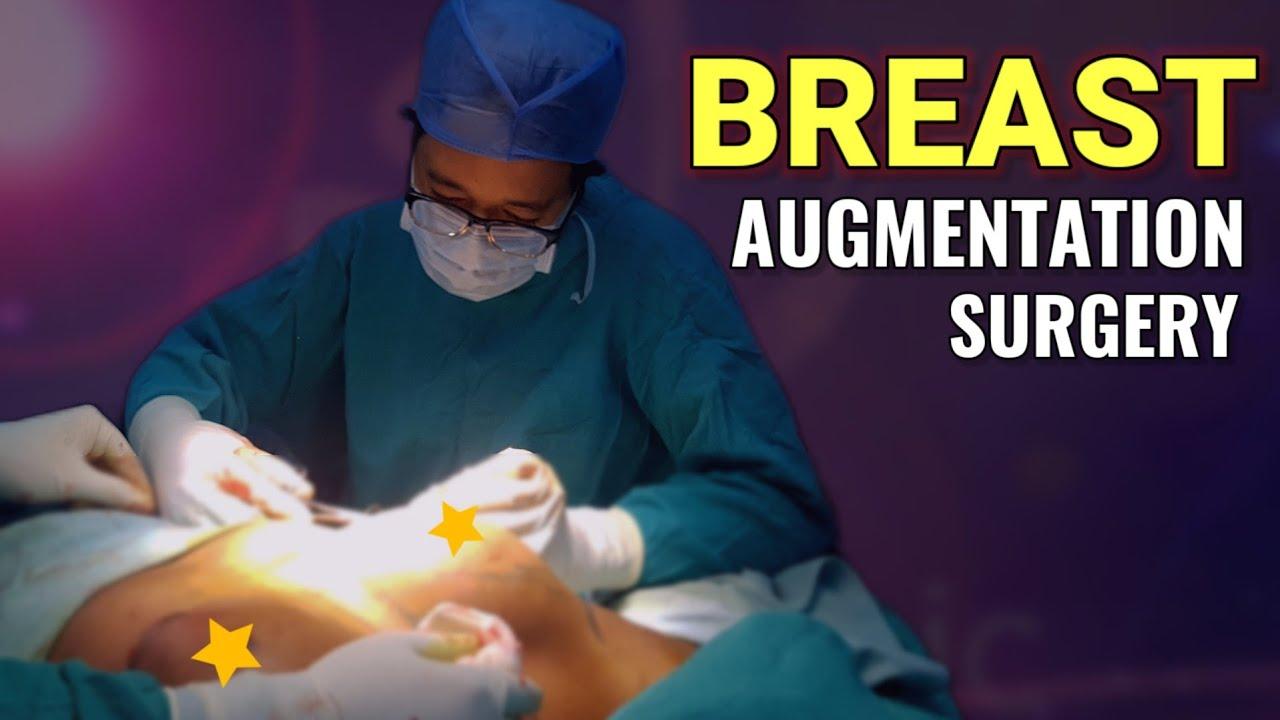
Breast augmentation in Jeddah can be an option for women who feel that their naturally small breasts do not match their preferred body proportions. Breast size varies significantly from person to person, and having smaller breasts is completely normal. However, some women may desire additional volume for personal, aesthetic, or proportional reasons.
Breast augmentation uses implants to increase breast volume and can create a fuller appearance. The procedure should be personalized according to the patient's chest dimensions, existing breast tissue, skin elasticity, lifestyle, and desired level of enhancement. Careful planning is essential for achieving balanced results.
Understanding Naturally Small Breasts
Small breasts can result from genetics, hormonal development, body composition, or changes in weight.
Some women have consistently had a smaller breast size throughout adulthood.
Others may lose breast volume after pregnancy, breastfeeding, or weight loss.
Why Women Consider Augmentation
The decision to undergo breast augmentation is personal.
Some women want increased volume.
Others may want improved body proportions or greater fullness in clothing.
Patients should undergo surgery for their own goals rather than pressure from others.
Assessing Breast Anatomy
Before augmentation, the surgeon evaluates the breasts and chest.
Measurements may include breast width, height, tissue thickness, nipple position, and chest dimensions.
These factors help determine which implants can fit appropriately.
Choosing Implant Size
Implant size should be selected according to anatomy.
A patient with naturally small breasts may not automatically be suited to a very large implant.
The amount of available tissue and skin elasticity can limit the appropriate volume.
Gradual Enhancement
Some women prefer a modest increase in breast volume.
A smaller implant can provide a gradual enhancement while maintaining existing body proportions.
This approach may appeal to patients who want a relatively subtle change.
More Noticeable Enhancement
Other patients want a significant increase in size.
A larger implant may provide more obvious volume, but it must still be compatible with the chest and surrounding tissues.
The surgeon should explain the potential limitations of very large implants.
Implant Width
Implant width is particularly important for women with smaller breasts.
The implant should generally fit within the natural breast base.
Excessive width may extend beyond the breast's natural boundaries.
Implant Profile
Profile determines how much the implant projects outward.
Higher-profile implants may provide greater projection while maintaining a narrower base.
This can be useful for selected patients with narrow chests.
Round Implants
Round implants provide volume throughout the breast.
They can create noticeable fullness depending on their profile and placement.
The final appearance depends on the patient's natural tissue as well.
Anatomical Implants
Anatomical implants have a contoured design.
They can provide a different distribution of volume.
The surgeon should determine whether they are suitable for the patient's breast structure and desired result.
Silicone Gel Implants
Silicone gel implants contain cohesive silicone material.
They are available in various sizes and profiles.
Patients with limited natural tissue should discuss coverage and implant visibility with their surgeon.
Saline Implants
Saline implants contain sterile saline solution.
They are another option for breast augmentation.
Patients should discuss the advantages and limitations of saline compared with silicone.
Natural Tissue Coverage
Women with small breasts may have limited tissue covering the implant.
This can affect how the implant feels and appears.
Placement beneath or partially beneath the chest muscle may provide additional coverage in selected patients.
Implant Placement
Implants can be positioned above the muscle, below the muscle, or through a dual-plane approach.
The best placement depends on tissue thickness, breast anatomy, and aesthetic goals.
Upper-Breast Fullness
Some women with small breasts want additional fullness in the upper portion.
Implant shape and profile can influence this area.
However, excessive upper fullness may create an appearance that differs from the patient's desired aesthetic.
Natural-Looking Results
A natural appearance depends on proportion.
The implant should complement the patient's chest and overall body.
Choosing the largest possible implant is not necessary to achieve attractive enhancement.
Breast Asymmetry
Small breasts can also have asymmetry.
One breast may be slightly larger or positioned differently.
Different implant sizes or other techniques may sometimes improve the balance.
However, perfect symmetry cannot always be achieved.
Skin Elasticity
Skin quality affects how the breast accommodates an implant.
Firm skin may respond differently from loose skin.
Patients with significant laxity may need a breast lift.
Breast Lift With Augmentation
If the breasts are small and significantly sagging, augmentation alone may not correct the breast position.
A lift can remove excess skin and reposition breast tissue.
An implant can then restore volume.
Pregnancy and Breastfeeding
Women planning pregnancy should discuss this with their surgeon.
Pregnancy can change breast size and skin elasticity after augmentation.
Breastfeeding ability may also vary depending on surgical technique and individual factors.
Weight Changes
Future weight changes can alter breast appearance.
Weight gain may increase natural breast volume, while weight loss can reduce it.
Stable weight can help maintain more consistent body proportions.
Lifestyle and Exercise
Active women should discuss their exercise routines.
Activities involving intense chest muscle use may be relevant when selecting implant placement.
The implant should fit the patient's lifestyle as well as aesthetic goals.
Clothing Preferences
Patients should consider how they want their breasts to appear in everyday clothing.
Some prefer subtle fullness.
Others want a clearly noticeable increase.
These preferences can help guide the consultation.
Reference Images
Reference photographs can help patients communicate their aesthetic preferences.
However, results vary because every patient's anatomy is different.
Photographs should be treated as examples rather than guarantees.
Recovery
After surgery, patients may experience swelling, bruising, tightness, and discomfort.
The early breast appearance can change considerably during healing.
Patients should follow postoperative instructions carefully.
Returning to Exercise
Strenuous exercise and heavy lifting may need to be restricted during early recovery.
Patients should gradually resume physical activities after receiving medical clearance.
Potential Complications
Potential complications include infection, bleeding, scarring, changes in sensation, asymmetry, implant displacement, rupture, and capsular contracture.
Patients should understand the risks before deciding on surgery.
Long-Term Considerations
Breast implants are not guaranteed to last a lifetime.
Revision, replacement, or removal may eventually be necessary.
Natural aging, pregnancy, and weight fluctuations can also change the breast appearance.
Breast Health
Patients with implants should continue appropriate breast health care.
They should inform healthcare professionals about their implants during future medical evaluations.
Any unusual breast changes should be assessed promptly.
Choosing a Qualified Plastic Surgeon
Women with small breasts should choose a properly qualified plastic surgeon who can evaluate limited tissue coverage and recommend suitable implant dimensions.
A detailed consultation should address implant size, profile, shape, placement, recovery, risks, and long-term considerations.
Realistic Expectations
Breast augmentation can increase breast volume, but it cannot completely change the underlying chest structure.
Patients should understand that the final result depends on their natural anatomy.
The objective is enhancement rather than creating an identical result to another person.
Conclusion
Breast augmentation in Jeddah can provide increased breast volume for women who naturally have small breasts or have experienced volume loss over time. The procedure can be tailored to provide subtle or more noticeable enhancement depending on the patient's goals.
Implant size, width, profile, shape, placement, and natural tissue coverage all influence the result. Women with limited breast tissue should pay particular attention to implant dimensions and coverage to avoid an overly prominent or unnatural appearance.
A qualified plastic surgeon can evaluate the patient's anatomy and explain the available options. With individualized planning, realistic expectations, and appropriate postoperative care, breast augmentation can help create fuller breasts while maintaining balanced body proportions.

 Arabic
 French
 Spanish
 Portuguese
 Deutsch
 Turkish
 Dutch
Dutch
 Italiano
 Russian
 Romaian
 Portuguese (Brazil)
 Greek
Greek
 Bengali