


Food Label Packaging: Guide to Compliant, Eye-Catching, and Market-Ready Product Labels
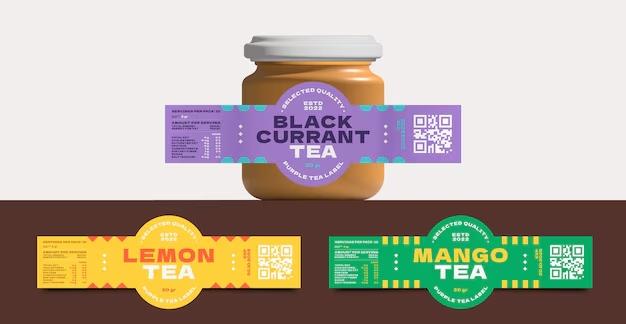
In today’s competitive retail environment, food label packaging is more than a regulatory requirement; it is a strategic branding asset that influences purchasing decisions, ensures compliance, and builds long-term consumer trust. We understand that exceptional food packaging labels must balance legal accuracy, visual appeal, durability, and brand storytelling. By integrating these elements seamlessly, we create packaging that commands shelf attention while meeting strict industry standards.
This comprehensive guide explores every critical aspect of food labeling and packaging, from design and compliance to materials and printing technologies, delivering a blueprint for brands seeking market dominance.
Understanding the Importance of Food Label Packaging
Effective food label packaging serves multiple essential purposes:
-
Communicates product identity and brand value
-
Provides mandatory nutritional and safety information
-
Enhances product visibility on retail shelves
-
Builds consumer trust through transparency
-
Differentiates products in crowded marketplaces
Consumers rely heavily on packaging labels when making buying decisions. Clear ingredient lists, allergy warnings, certifications, and nutritional data directly influence purchasing behavior. We ensure every label conveys credibility, clarity, and premium quality.
Key Elements of High-Quality Food Packaging Labels
1. Product Identity and Branding
A compelling brand presence begins with a strong visual identity. Food labels must include:
-
Brand logo
-
Product name
-
Tagline or value proposition
-
Net quantity declaration
We design labels that align with brand aesthetics while maintaining legibility and visual hierarchy. The strategic placement of typography, color palettes, and imagery ensures instant recognition and recall.
2. Nutritional Information Panel
The nutrition facts label is a mandatory component in many markets. It typically includes:
-
Serving size
-
Calories
-
Total fat
-
Saturated fat
-
Cholesterol
-
Sodium
-
Total carbohydrates
-
Sugars
-
Protein
-
Vitamins and minerals
Accuracy is non-negotiable. We ensure compliance with current regulatory formatting standards, including correct font sizes, spacing, and percentage daily values.
3. Ingredient List and Allergen Declaration
Ingredients must be listed in descending order by weight. Allergen disclosures are critical for consumer safety. Common allergens include:
-
Milk
-
Eggs
-
Peanuts
-
Tree nuts
-
Soy
-
Wheat
-
Fish
-
Shellfish
We prioritize clarity and visibility to ensure that consumers can quickly identify potential allergens, reinforcing brand trust and legal compliance.
4. Regulatory Compliance and Certifications
Food label packaging must comply with regional and international regulations. This includes:
-
FDA requirements (United States)
-
EU Food Information Regulation
-
Halal and Kosher certifications
-
Organic certification
-
Non-GMO labeling
We integrate required symbols and certification marks seamlessly into the design without compromising aesthetics.
Types of Food Label Packaging Materials
Selecting the right material ensures durability, product protection, and visual impact.
Paper Labels
Ideal for dry goods and boxed products, paper labels offer:
-
Cost-effectiveness
-
High print clarity
-
Eco-friendly options
However, they may not be suitable for moisture-heavy environments.
Plastic Film Labels
Commonly used for beverages and refrigerated items, plastic films provide:
-
Water resistance
-
Tear resistance
-
Longevity
-
Flexible application
Materials such as BOPP (Biaxially Oriented Polypropylene) are widely preferred for their durability.
Foil Labels
Foil labels create a premium appearance with metallic finishes. They enhance shelf presence and are commonly used in gourmet and specialty food products.
Eco-Friendly and Sustainable Materials
Sustainability is now a defining market trend. We incorporate:
-
Biodegradable label stocks
-
Recyclable adhesives
-
Soy-based inks
-
Compostable packaging components
Eco-conscious consumers actively seek products aligned with environmental responsibility. Sustainable food label packaging enhances brand perception and market competitiveness.
Printing Technologies for Food Label Packaging
Advanced printing methods elevate label quality and precision.
Digital Printing
Digital printing offers:
-
Short-run flexibility
-
Fast turnaround times
-
Customization capabilities
-
High-resolution graphics
This method is ideal for small batches and seasonal product launches.
Flexographic Printing
Flexography is efficient for high-volume production. It delivers:
-
Consistent color reproduction
-
Cost efficiency for large orders
-
Compatibility with various substrates
Offset Printing
Offset printing ensures exceptional detail and color accuracy. It is suitable for premium food packaging labels requiring intricate designs.
Design Strategies That Drive Consumer Engagement
Successful food label packaging combines regulatory precision with strategic design elements.
Color Psychology in Food Packaging
Colors influence appetite and perception:
-
Red and yellow stimulate hunger.
-
Green suggests freshness and health.
-
Blue conveys trust and reliability.
-
Black and gold communicate luxury.
We apply color psychology intentionally to enhance brand positioning and purchasing behavior.
Typography and Readability
Clear typography ensures compliance and usability. We use:
-
Legible sans-serif fonts for nutritional data
-
Bold typefaces for brand names
-
Strategic font scaling for hierarchy
Readability directly impacts consumer confidence.
Imagery and Visual Storytelling
High-quality images and illustrations can:
-
Highlight ingredients
-
Demonstrate product use
-
Reinforce authenticity
We ensure imagery aligns with the brand narrative and resonates with target demographics.
Food Label Packaging for Different Product Categories
Beverages
Labels for bottles and cans require waterproof materials and strong adhesives. Shrink sleeves provide full-body branding opportunities.
Frozen Foods
Cold-resistant adhesives and moisture-proof materials are essential to prevent peeling or damage.
Organic and Health Foods
Transparent labeling and clean design aesthetics reinforce natural and wholesome brand values.
Snack Foods
Bold graphics, vibrant colors, and tactile finishes enhance shelf appeal and impulse purchases.
Barcode and Traceability Integration
Modern food label packaging includes:
-
UPC barcodes
-
QR codes
-
Batch numbers
-
Expiration dates
QR codes can link to nutritional transparency pages, sourcing information, or promotional campaigns, strengthening consumer engagement.
Tamper-Evident and Safety Features
Consumer safety remains paramount. We incorporate:
-
Tamper-evident seals
-
Holographic authentication labels
-
Security inks
-
Void adhesives
These features protect brand integrity and ensure consumer confidence.
Custom Food Label Packaging Solutions
Customization enables brands to differentiate effectively. We provide:
-
Die-cut shapes
-
Embossing and debossing
-
Spot UV coating
-
Matte and gloss lamination
-
Metallic finishes
These enhancements create a tactile, premium experience that leaves a lasting impression.
Cost Efficiency Without Compromising Quality
Balancing quality and affordability is achievable through:
-
Strategic material selection
-
Efficient printing methods
-
Optimized label dimensions
-
Bulk production planning
We ensure scalable solutions for startups and established brands alike.
Future Trends in Food Label Packaging
The evolution of food packaging continues to reshape the industry.
Smart Labels
Interactive labels using NFC or QR codes offer enhanced consumer interaction.
Minimalist Design
Clean layouts with concise messaging reflect modern consumer preferences.
Sustainable Innovation
Plant-based adhesives and carbon-neutral printing processes are becoming industry standards.
Why Strategic Food Label Packaging Drives Sales Growth
Packaging labels serve as silent sales representatives with custom product packaging. A well-designed, compliant, and visually compelling label:
-
Builds brand credibility
-
Enhances shelf visibility
-
Encourages repeat purchases
-
Increases perceived product value
-
Reduces legal risks
We focus on precision, creativity, and regulatory excellence to ensure food label packaging performs as both a marketing asset and a compliance tool.
Conclusion
Food label packaging is a decisive factor in product success. By combining regulatory compliance, premium design, durable materials, and innovative printing technologies, we deliver packaging solutions that dominate retail shelves and inspire consumer loyalty.
Our approach integrates strategic branding, technical precision, and market insight to ensure every label not only meets industry standards but also exceeds consumer expectations. When executed flawlessly, food packaging labels transform ordinary products into compelling retail experiences that drive measurable growth.

 Arabic
 French
 Spanish
 Portuguese
 Deutsch
 Turkish
 Dutch
Dutch
 Italiano
 Russian
 Romaian
 Portuguese (Brazil)
 Greek
Greek
 Bengali