


FUT Hair Transplant in Jeddah: What to Expect During the Recovery Process
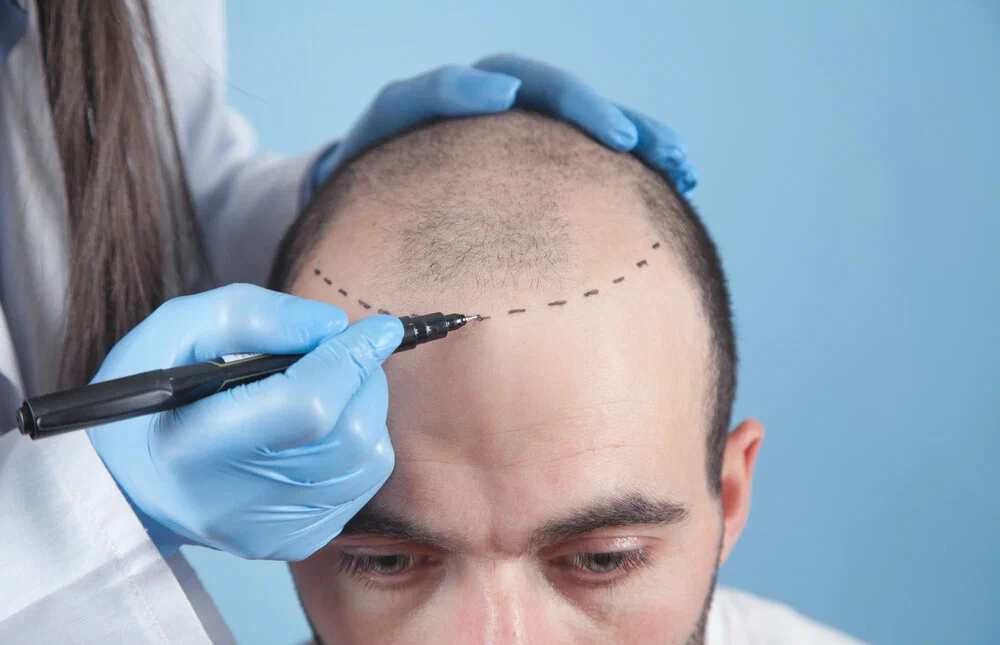
FUT Hair Transplant in Jeddah: What to Expect During the Recovery Process
FUT Hair Transplant in Jeddah is an established surgical method for restoring hair in areas affected by permanent hair loss. Follicular Unit Transplantation involves removing a strip of hair-bearing scalp from a suitable donor region and carefully separating it into individual follicular units. These grafts are then transplanted into areas where hair density has decreased. While the surgical procedure is an important part of treatment, the recovery period is equally significant because the scalp needs time to heal and the transplanted follicles need time to establish their natural growth cycle.
Understanding what happens after FUT can help individuals prepare for the different stages of healing. Recovery is gradual, and temporary changes such as redness, swelling, crusting, and shedding may occur before new hair growth becomes visible.
Understanding the Recovery Process
Recovery after FUT takes place in several stages.
The first stage focuses mainly on healing the donor incision and protecting the transplanted grafts. The following weeks involve gradual healing of the scalp, while later months are focused on new hair growth.
Not everyone experiences recovery in exactly the same way. Individual healing ability, scalp characteristics, the number of grafts transplanted, and adherence to aftercare instructions can all influence the process.
Patients should therefore avoid comparing their recovery too closely with someone else's experience.
The First Few Days
The first few days after FUT are generally focused on protecting the scalp.
The donor area may feel tender or tight because a strip of tissue has been removed and the incision has been closed. The recipient area may appear red or slightly swollen.
Small crusts can develop around transplanted follicles.
These changes are generally temporary and form part of the normal healing process.
Specific instructions are usually provided for washing and caring for the scalp.
Caring for the Donor Incision
The donor incision requires particular attention after FUT.
Patients should follow the recommended instructions for keeping the area clean and allowing it to heal.
Tightness around the donor region can occur during the early recovery period.
The appearance of the incision changes as healing progresses. Eventually, a linear scar remains.
Scar visibility varies from one individual to another and may depend on healing characteristics, scalp tension, closure technique, and hairstyle.
Protecting the Recipient Area
Newly transplanted grafts need protection during the early recovery period.
Unnecessary touching, rubbing, scratching, or pressure should generally be avoided.
Patients may also be instructed to modify sleeping positions or avoid activities that could interfere with the healing recipient area.
Following aftercare recommendations can help protect the transplanted follicles during their early stages.
Washing the Scalp
Hair washing may need to be adjusted temporarily following FUT.
Patients are generally given individualized instructions regarding when and how to wash the scalp.
The technique should be gentle to avoid unnecessary irritation or pressure on the healing areas.
As the scalp recovers, patients can gradually return to their normal hair-care routine according to professional guidance.
Swelling and Redness
Some patients experience temporary swelling after transplantation.
Swelling can sometimes affect the forehead or areas around the eyes.
Redness in the recipient area is also common during the early healing period.
These effects usually improve with time.
If a patient notices unusual or worsening symptoms, they should contact their healthcare provider for appropriate evaluation.
Crusting After FUT
Small crusts can form around transplanted follicles.
These crusts are a normal part of the healing process for many patients.
They should not be aggressively removed or scratched.
Allowing the scalp to heal naturally and following recommended cleansing instructions can help the crusting resolve.
Returning to Normal Activities
The timing for returning to normal activities varies.
Light daily activities may often be resumed relatively soon, while strenuous exercise may need to be postponed temporarily.
Activities that cause excessive sweating, pressure, or friction around the scalp may require additional caution.
Patients should follow the specific recommendations provided after their procedure.
Temporary Shedding
One of the most confusing parts of hair transplant recovery is temporary shedding.
Transplanted hairs may fall out during the early months.
Although this can appear disappointing, the follicle itself may remain in the scalp.
The follicle can enter a resting phase before beginning a new growth cycle.
This is why early shedding does not necessarily indicate that the transplant has been unsuccessful.
The Resting Period
After the initial shedding phase, transplanted follicles may remain relatively inactive for a period.
During this stage, there may be limited visible improvement.
This can test the patient's patience because the scalp may appear similar to how it looked before the new growth begins.
However, hair follicles naturally operate through growth and resting cycles.
The absence of immediate visible growth does not necessarily mean that the follicles are inactive permanently.
New Hair Growth
As transplanted follicles enter the active growth phase, new hairs begin to emerge.
Early hairs can appear thin, fine, or uneven.
Over time, they can mature and become thicker.
The rate of growth varies between individuals, so some people may see visible changes earlier than others.
The final appearance generally requires considerable time to develop.
Why Patience Is Important
Hair transplantation does not produce instant results.
The procedure places follicles into the scalp, but those follicles still need to follow their natural biological cycle.
Patients who expect immediate thick hair may become concerned during the early months.
Understanding the normal stages of recovery can make the waiting period easier.
The most meaningful changes generally become apparent progressively rather than immediately.
Factors Affecting Recovery
Several factors can influence how quickly someone recovers.
These include:
-
Individual healing ability
-
Number of transplanted grafts
-
Scalp condition
-
Donor-site characteristics
-
Surgical technique
-
Postoperative care
-
General health
-
Natural hair-growth cycle
Because these factors differ between individuals, recovery timelines cannot be identical for everyone.
Managing the Donor Scar
A linear scar is an expected consequence of FUT.
The scar typically changes as it matures.
Surrounding hair can help conceal the scar, particularly when the hair is kept at a moderate or longer length.
Individuals who prefer very short hairstyles may find the scar more noticeable.
This should be considered before choosing FUT.
Protecting Existing Hair
The recovery period is also an opportunity to consider long-term hair health.
Transplanted follicles may provide long-lasting growth, but existing natural hair can continue to thin.
If pattern hair loss remains active, appropriate hair-loss management may be discussed with a healthcare professional.
Maintaining native hair can help preserve overall density.
Comparing FUT Recovery With FUE
FUT and FUE differ in how donor follicles are harvested.
Because FUT involves removing a strip, the donor area has a linear incision that requires healing.
FUE does not create the same type of linear incision because individual follicular units are extracted separately.
However, both techniques require recipient-area healing and a gradual hair-growth process.
The choice between them should depend on individual needs and treatment goals.
Long-Term Development
Hair restoration continues beyond the initial recovery period.
As transplanted follicles grow, the hair can gradually become thicker and more integrated with surrounding natural hair.
The overall appearance can continue changing over time.
Long-term results depend on donor characteristics, graft survival, existing hair, future hair loss, and individual growth patterns.
Setting Realistic Expectations
Patients should understand that FUT improves hair coverage rather than recreating every follicle that was originally present.
The donor supply is limited.
Strategic graft placement is therefore essential.
A realistic goal is usually a significant improvement in the appearance of thinning or bald areas rather than complete restoration of original density.
Importance of Professional Follow-Up
Follow-up appointments can help monitor healing and hair growth.
They provide an opportunity to assess the donor incision, recipient area, and development of new hair.
If unexpected symptoms occur, professional evaluation can help determine whether additional care is needed.
Following the recommended follow-up schedule can contribute to better overall management.
Conclusion
FUT Hair Transplant in Jeddah can provide long-term improvement for individuals experiencing permanent hair loss, but the recovery process requires patience and proper care. The early stages may involve tenderness, redness, swelling, crusting, and temporary shedding before new hair growth becomes noticeable.
The donor incision also requires time to heal and eventually leaves a linear scar. Meanwhile, transplanted follicles gradually move through their natural growth cycle before producing visible new hair.
By following aftercare instructions, protecting the transplanted area, attending appropriate follow-ups, and maintaining realistic expectations, patients can approach recovery with greater confidence. With careful planning and proper postoperative care, FUT can help improve hair coverage and create a fuller, natural-looking result over time.

 English
 Arabic
 French
 Portuguese
 Deutsch
 Turkish
 Dutch
Dutch
 Italiano
 Russian
 Romaian
 Portuguese (Brazil)
 Greek
Greek
 Bengali