


Gait assessment Service by PODO London
Introduction
The way a person walks can reveal valuable information about foot function, balance, lower limb movement, and how the body manages everyday forces. Although walking is an automatic activity, it involves a carefully coordinated sequence between the feet, ankles, knees, hips, and the rest of the body. Gait assessment provides an opportunity to examine these movement patterns in greater detail. At PODO London, assessment is personalised to the individual, considering gait alongside foot structure, biomechanics, footwear, activity, lifestyle, and functional goals to create a clearer understanding of movement.
What Is a Gait Assessment?
A gait assessment is a professional evaluation of how an individual walks and, where relevant, how they run or perform other movements. It can examine foot placement, stride, balance, weight transfer, timing, coordination, and lower limb movement. Gait assessment does not mean that every variation from a general movement pattern is considered abnormal. At PODO London, clinicians interpret gait findings according to the individual and their circumstances. This helps identify characteristics that may be relevant to discomfort, mobility, footwear, activity, or personalised foot support.
Why Walking Patterns Are Individual
Everyone develops a slightly different way of walking. Body structure, height, flexibility, strength, footwear, occupation, activity levels, previous experiences, and natural movement habits can all contribute to individual gait. Gait assessment therefore needs to recognise normal variation rather than assuming there is only one correct way to walk. At PODO London, clinicians consider movement within the context of the individual. This allows relevant findings to be distinguished from harmless differences and helps ensure that recommendations are connected to actual functional requirements.
Understanding Foot Movement While Walking
The feet perform several functions during each walking cycle. They interact with the ground, manage changing forces, support body weight, and contribute to forward progression. Gait assessment can provide information about how these processes occur during movement. At PODO London, foot function can be considered alongside the wider lower limb and individual activity requirements. Dynamic assessment may provide information that cannot be fully understood from looking at the feet while standing still, making gait evaluation useful when investigating movement concerns or considering personalised support.
The Relationship Between Gait and Biomechanics
Biomechanics examines how forces and movements interact throughout the body. During walking, the feet have direct contact with the ground and therefore play an important role in managing external forces. Gait assessment can complement biomechanical evaluation by showing how the feet and lower limbs behave dynamically. At PODO London, clinicians can consider foot structure, joint movement, gait, footwear, and activity together. This broader approach helps avoid focusing on a single movement characteristic without considering how it relates to the person's overall function.
How Weight Transfer Is Assessed
Walking requires the body to transfer weight smoothly between the two feet. Each step involves loading one side while the other prepares for the next stage of movement. Gait assessment can examine characteristics of this transfer where relevant to an individual's concerns. At PODO London, weight distribution and movement can be considered alongside foot function and lower limb coordination. Understanding how an individual manages weight during walking can contribute to discussions about footwear, activity, biomechanics, and whether personalised support may be appropriate.
Foot Pressure During Walking
Every step creates pressure beneath the feet. Pressure distribution can vary according to foot structure, walking speed, footwear, surface, body mechanics, and individual movement habits. Gait assessment can provide useful information about loading patterns when pressure is relevant to the assessment. At PODO London, pressure-related findings can be considered alongside other biomechanical observations. The aim is to understand individual characteristics rather than automatically treating a particular pressure pattern as a problem. This can help provide a more balanced interpretation of foot function.
The Role of Footwear in Gait
Shoes influence the way the feet interact with the ground. Formal footwear, work shoes, trainers, walking shoes, and sports footwear can all have different characteristics. Gait assessment may therefore be more informative when footwear is considered as part of the wider picture. At PODO London, clinicians can discuss the shoes an individual wears for work, commuting, exercise, and everyday activities. This helps ensure that any recommendations are realistic and relevant to the footwear the person actually uses rather than being based on an isolated assessment environment.
Gait Assessment for Everyday Walkers
A gait assessment is not only relevant to athletes. People who walk extensively for commuting, work, shopping, travel, or leisure can also benefit from understanding their movement patterns. Gait assessment may be particularly relevant when everyday walking becomes uncomfortable or when someone notices a change in how they move. At PODO London, clinicians can consider walking distance, occupation, footwear, lifestyle, and individual concerns. This helps ensure that assessment findings relate directly to the activities that make up the person's normal day.
Gait Assessment for Active People
People who regularly exercise may place greater or different demands on their feet. Gym sessions, walking, running, recreational sport, and other activities involve distinct movement patterns. Gait assessment can help active individuals understand how their feet and lower limbs function during relevant movement. At PODO London, activity levels, training routines, footwear, and individual goals can be considered alongside gait findings. This can help determine whether particular movement characteristics may have practical relevance to comfort, function, or continued participation in physical activity.
Gait Assessment for Runners
Running is more demanding than ordinary walking and involves repeated loading of the feet and lower limbs. Runners may seek assessment because of recurring discomfort, changes in movement, footwear questions, or a desire to understand their mechanics. Gait assessment can provide useful information about stride, foot placement, weight transfer, and lower limb coordination. At PODO London, running-related findings can be considered alongside training routines, footwear, activity levels, and personal goals. This creates a more complete understanding of the runner's individual movement rather than focusing on one characteristic.
When Gait Patterns Change
A person's walking pattern can change for many reasons. Changes in activity, footwear, discomfort, training, lifestyle, or movement habits can all influence gait. Gait assessment provides a structured way to examine these changes and determine whether they may be relevant. At PODO London, clinicians can consider changes in gait alongside symptoms, foot function, biomechanics, and daily activities. This may help establish whether practical advice, further assessment, footwear changes, or personalised support should be considered.
Looking at the Whole Lower Limb
Walking is not controlled by the feet alone. The ankles, knees, hips, pelvis, and trunk all contribute to coordinated movement. Gait assessment can therefore be more useful when interpreted as part of a broader movement pattern. At PODO London, relevant lower limb mechanics can be considered alongside foot function. This approach may be valuable when a person experiences recurring concerns but is unsure whether the issue relates to the feet, lower limb movement, footwear, or a combination of factors.
When Is Gait Assessment Recommended?
There are several situations in which professional assessment may be useful. Someone may notice recurring discomfort while walking, a change in gait, difficulty during exercise, unusual wear on footwear, or concerns about foot and lower limb function. Gait assessment can also be useful for people who want to understand their biomechanics before considering personalised support. At PODO London, the assessment is tailored to individual circumstances. The outcome does not automatically involve treatment; recommendations depend on what the assessment identifies.

Gait Assessment and Custom Orthotics
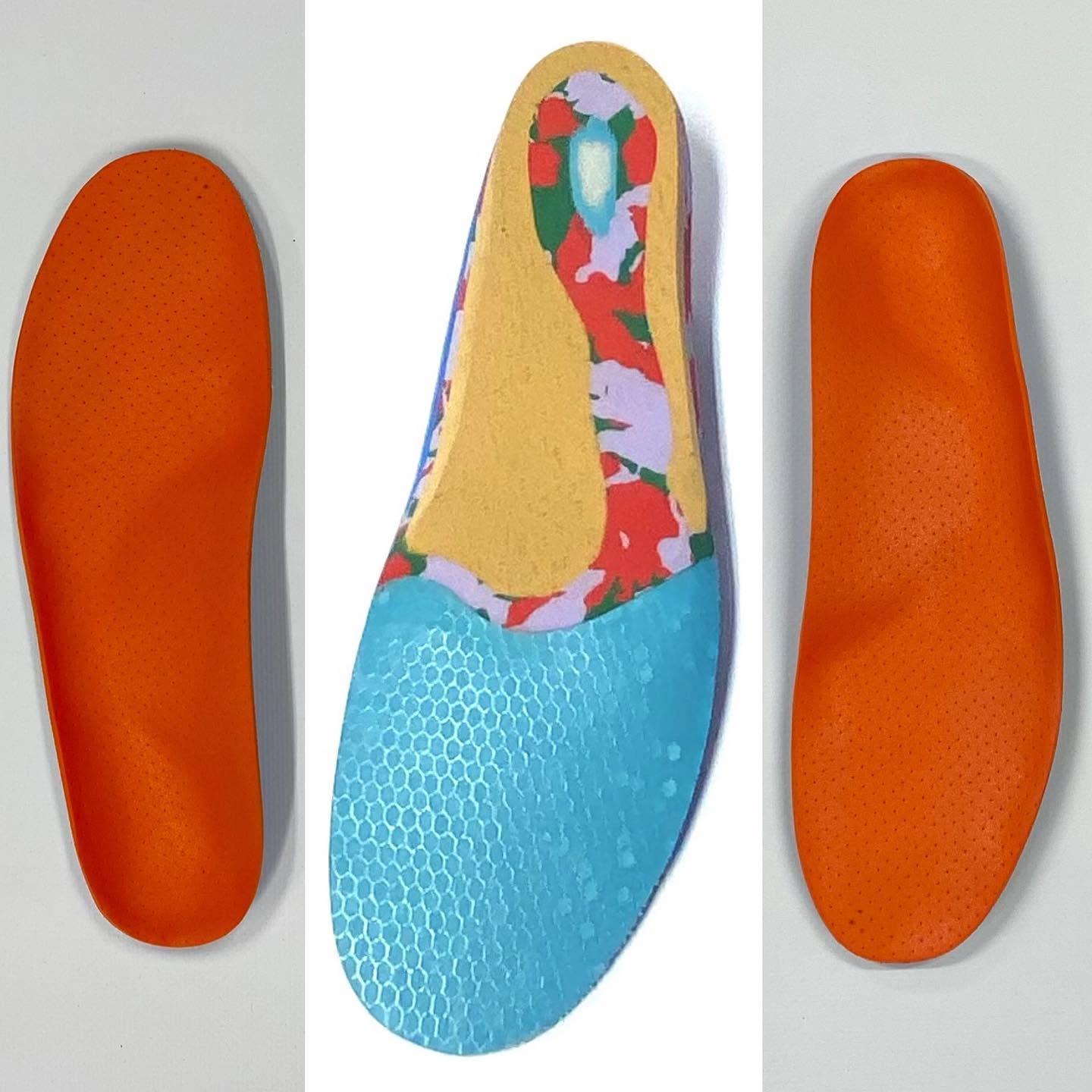
Custom orthotics are individually designed devices that may provide specific foot support when appropriate. However, gait assessment does not automatically mean that orthotics are necessary. Gait assessment can contribute information when deciding whether personalised orthotic support may be suitable. At PODO London, clinicians can consider gait alongside foot structure, biomechanics, pressure, footwear, activity, and functional goals. If orthotics are recommended, the assessment can help establish their intended purpose and how they may fit within the individual's normal footwear and daily routine.
Understanding Your Movement Can Improve Awareness
Professional assessment can help individuals become more aware of how their feet and lower limbs function. This does not necessarily mean changing a person's natural gait. Instead, gait assessment can provide information that helps people understand their own movement characteristics. At PODO London, clinicians can explain relevant findings and discuss practical options where appropriate. This educational aspect can be valuable for people who want to make informed decisions about footwear, exercise, walking habits, or personalised support without assuming that every movement difference requires correction.
Gait and Workplace Requirements
Many London workers spend significant portions of the day standing or walking. Retail, hospitality, healthcare, education, events, and other occupations can place repeated demands on the feet. Gait assessment may help people understand whether their movement or footwear is relevant to work-related concerns. At PODO London, occupational requirements can be considered alongside gait and foot function. This helps ensure that recommendations are practical for the person's working environment and compatible with the footwear and movement demands they experience throughout their professional routine.
Gait Assessment and Long Term Mobility
Maintaining comfortable mobility is important for everyday independence and participation in activities. People who regularly walk, exercise, commute, or stand for long periods may benefit from understanding how their feet function. Gait assessment can provide information that contributes to longer-term foot care decisions. At PODO London, findings are considered in relation to the individual's lifestyle and goals. This helps ensure that recommendations remain practical and relevant, whether they involve footwear, personalised orthotics, movement advice, or simply greater awareness of individual biomechanics.
Why Choose PODO London?
PODO London provides a personalised approach to gait and biomechanical assessment. For people looking for professional gait assessment, clinicians can consider foot function, lower limb movement, footwear, activity, lifestyle, and individual concerns. The objective is to understand meaningful movement characteristics rather than applying a generic standard to every person. Whether someone is an active runner, regular walker, busy professional, or experiencing changes in movement, assessment can be adapted to their circumstances. This can help support informed decisions about footwear, orthotics, activity, and wider foot care.
Professional Gait Assessment in London
London's busy lifestyle can involve extensive walking, long commutes, standing at work, exercise, and frequent changes between different types of footwear. These demands can make individual foot and lower limb function especially relevant to everyday comfort. PODO London provides professional gait and biomechanical assessment for people who want to understand their movement. The clinic is located at 28 Mortimer Street, 2nd Floor, W1W 7RD, London, United Kingdom. A professional gait assessment can provide useful information about walking patterns, foot function, biomechanics, footwear, and individual support requirements.
Turning Assessment Findings Into Practical Guidance
The purpose of assessment is not simply to collect information but to understand what that information means for the individual. Gait assessment findings can contribute to practical recommendations when relevant. At PODO London, these may involve footwear guidance, activity advice, personalised orthotics, movement recommendations, or further assessment. In some cases, no intervention may be necessary. This individualised approach helps prevent unnecessary treatment and focuses attention on findings that may genuinely affect the person's comfort, mobility, activity, or everyday function.
Conclusion
Gait assessment offers a valuable way to explore walking patterns, foot function, lower limb mechanics, weight transfer, footwear interaction, and individual movement characteristics. At PODO London, gait findings are interpreted alongside biomechanics, lifestyle, activity, and personal goals rather than being viewed in isolation. Whether you are experiencing recurring discomfort, noticing a change in the way you walk, participating in regular exercise, or simply interested in understanding your movement, professional assessment can provide useful information and help you make more informed decisions about your foot and lower limb care.
FAQs
What is a gait assessment?
Gait assessment is a professional evaluation of how an individual walks or moves. It can examine foot placement, stride, balance, weight transfer, coordination, and lower limb mechanics. At PODO London, these findings can be considered alongside footwear, biomechanics, activity, and lifestyle.
Who can benefit from gait assessment?
Gait assessment can be useful for people experiencing recurring walking discomfort, changes in movement, footwear concerns, or activity-related difficulties. It can also help runners and active individuals understand their mechanics. PODO London adapts assessment to each person's circumstances and functional goals.
Does gait assessment mean I need orthotics?
No. An assessment does not automatically lead to custom orthotics. At PODO London, orthotic support is considered only when individual findings indicate that it may be appropriate. Depending on the results, footwear advice, movement guidance, activity recommendations, or further assessment may be more suitable.
Can gait assessment help runners?
Yes. Running involves different mechanical demands from ordinary walking, and assessment can examine stride, foot placement, loading, and lower limb coordination. PODO London can consider running gait alongside training routines, footwear, activity levels, and individual goals to provide relevant recommendations.
Can footwear affect my gait?
Yes. Different shoes can influence foot movement, flexibility, cushioning, stability, and interaction with the ground. During gait assessment, PODO London can consider the footwear used for work, walking, running, and exercise so that any recommendations remain relevant to everyday activities.

 English
 Arabic
 French
 Spanish
 Portuguese
 Turkish
 Dutch
Dutch
 Italiano
 Russian
 Romaian
 Portuguese (Brazil)
 Greek
Greek
 Bengali