


What Should You Do After Being Injured by a Dangerous Product?
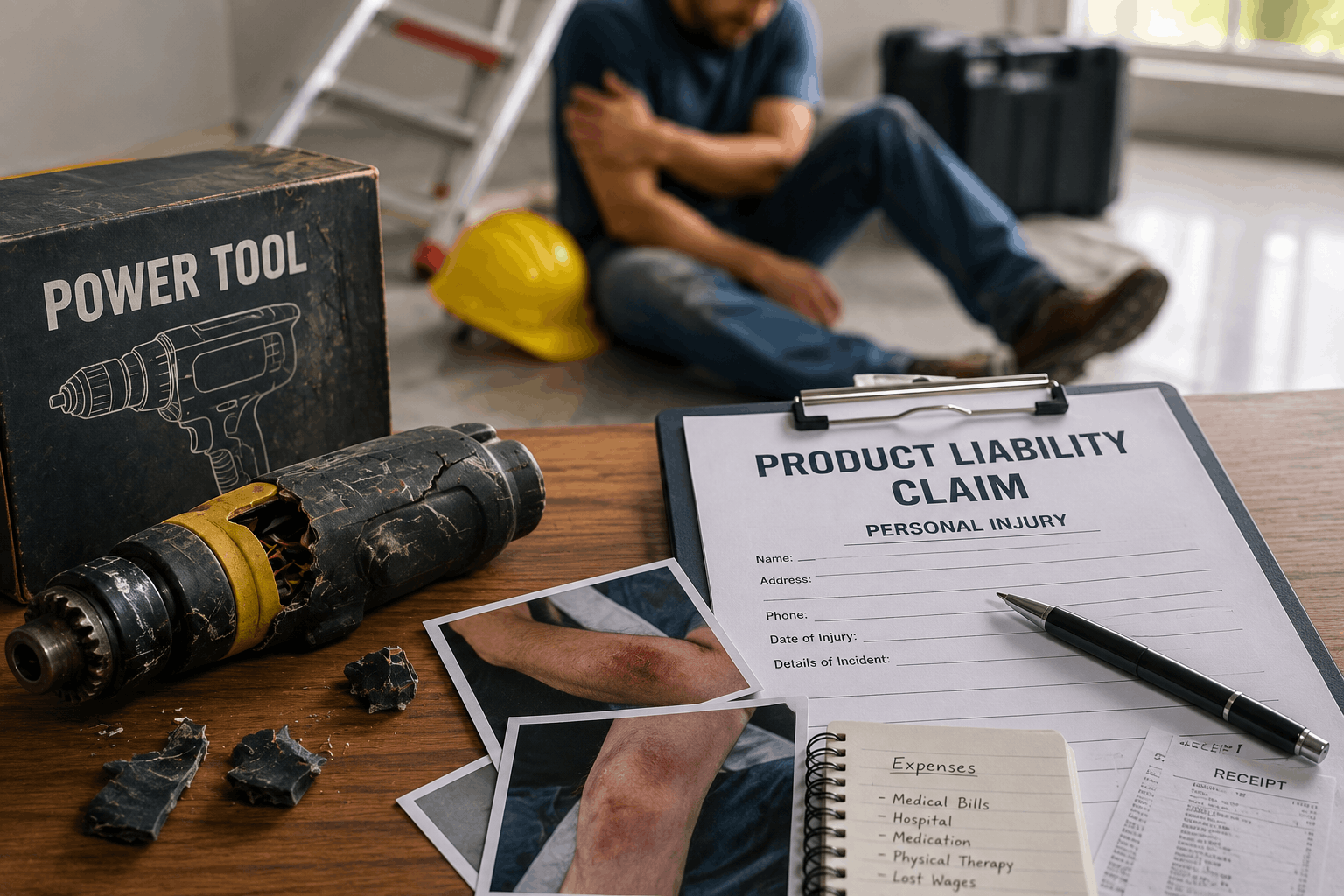
Being injured by a dangerous or defective product can leave you dealing with medical bills, lost income, pain, and uncertainty about what to do next. If you believe a product caused your injury, documenting what happened and preserving the product can be important. A Texas product liability lawyer can help determine whether the product was defectively designed, manufactured, or marketed and whether you may have a legal claim. Harrison Davis Morrison Jones handles product liability matters involving defective vehicles and parts, dangerous drugs, medical devices, machinery, power tools, choking hazards, and failure-to-warn cases.
Stop Using the Dangerous Product
Your first priority should be your safety.
If the product is still being used, stop using it if doing so is safe. Do not continue operating a machine that malfunctioned, taking a medication you believe caused a serious reaction without appropriate medical guidance, or using a product that has already caused an injury.
If the product presents an immediate danger to other people, keep children, family members, coworkers, or others away from it when possible.
Do not throw the product away or intentionally alter it. The product itself may become important evidence in determining what happened.
Seek Medical Attention for Your Injuries
After a dangerous product accident, get appropriate medical care as soon as possible. Some injuries may be immediately obvious, while others may develop or become more serious over time.
Medical records can also document:
-
The nature and severity of your injuries
-
When symptoms began
-
Treatment you received
-
Diagnostic testing
-
Medications and procedures
-
Future treatment recommendations
-
Restrictions affecting work or daily activities
Products can cause many different types of injuries, including burns, fractures, traumatic brain injuries, amputations, chemical exposure, and other serious physical harm. In catastrophic injury cases, long-term medical treatment and changes to a person's ability to work or perform everyday activities can also become important considerations.
Preserve the Product and Its Packaging
One of the most important steps after a defective product injury is preserving evidence.
If possible, keep the product in the condition it was in when the accident occurred. Do not repair, modify, clean, or disassemble it unless doing so is necessary for safety.
Also preserve related materials, including:
-
Original packaging
-
Instruction manuals
-
Warning labels
-
Receipts
-
Purchase records
-
Serial numbers
-
Model numbers
-
Warranty information
-
Product photographs
-
Maintenance records
-
Recall notices
If you no longer have the product, keep any photographs or videos showing it and document where and when you purchased it.
Take Photos and Record What Happened
Photographs can help preserve details that may otherwise disappear.
If your injuries allow you to do so, photograph the product, the location where the incident occurred, visible damage, your injuries, and anything else that may help explain what happened.
Write down what you remember while the events are still fresh. Include:
-
What you were doing when the product failed
-
How you used the product
-
When you purchased it
-
Whether anyone else was present
-
What happened immediately before the injury
-
What happened immediately afterward
-
Whether the product had previously malfunctioned
If someone witnessed the incident, keep their contact information if possible.
Find Out Whether the Product Was Recalled
A product recall does not automatically prove that you have a successful product liability claim, but recall information may be relevant to an investigation.
Check whether the manufacturer or an appropriate government agency has issued a safety warning or recall involving the product, model, or serial number.
However, do not assume that the absence of a recall means the product was safe. A product may still be investigated for a potential defect or failure to warn even when no official recall has been issued.
Harrison Davis notes that product liability cases can involve defective designs, defective manufacturing, dangerous products, and inadequate warnings or instructions.
Determine What Type of Product Defect May Be Involved
Product liability cases can arise from different types of alleged defects.
Design Defect
A product may have been designed in a way that creates an unreasonable safety risk even when manufactured according to specifications.
Manufacturing Defect
A product may become dangerous because something went wrong during manufacturing, causing it to differ from the intended design.
Failure to Warn
A product may lack adequate warnings, instructions, or information about known or reasonably foreseeable risks.
These issues can arise in products ranging from automobiles and power tools to medical devices, industrial equipment, and prescription or over-the-counter medications.
Identify Everyone Who May Be Responsible
The manufacturer is not necessarily the only party that could be involved in a product liability claim.
Depending on the facts, potentially responsible parties may include:
-
Product manufacturers
-
Component manufacturers
-
Distributors
-
Sellers
-
Pharmaceutical companies
-
Medical device manufacturers
-
Other companies involved in the product's supply chain
Determining responsibility requires examining how the product was designed, manufactured, marketed, distributed, sold, and used.
For example, a defective vehicle component may involve questions about the vehicle manufacturer and component manufacturer. A dangerous medication case may involve pharmaceutical companies and allegations concerning product warnings or design.
Be Careful When Speaking With Insurance Companies or Manufacturers
After a serious product injury, you may receive communications from an insurer, manufacturer, retailer, or another company involved with the product.
Be careful about providing statements, signing documents, or accepting a settlement before you understand your legal rights.
A company may want to investigate the incident, determine what happened, or resolve a claim. However, you should make sure that any agreement you sign does not unintentionally limit your ability to pursue compensation for injuries that may require continuing treatment.
Keep Track of Your Financial Losses
A dangerous product injury can create expenses that extend beyond the initial emergency room visit.
Keep records of:
-
Hospital and medical bills
-
Prescription expenses
-
Rehabilitation costs
-
Travel expenses for medical treatment
-
Lost wages
-
Reduced earning capacity
-
Out-of-pocket expenses
-
Future medical care
Serious injuries can also affect a person's ability to work and quality of life. In catastrophic injury cases, future care and long-term consequences may be important when evaluating damages.
Talk to a Product Liability Trial Lawyer
Product liability litigation can involve technical evidence, product testing, medical records, engineering analysis, corporate documents, warnings, recalls, and expert testimony.
An experienced product liability attorney can investigate the product and circumstances surrounding the injury, identify potentially responsible parties, preserve evidence, and evaluate the damages involved.
Harrison Davis Morrison Jones states that its product liability practice represents people injured or families affected by dangerous and defective products and handles cases involving automobiles and recalls, prescription and over-the-counter drugs, medical devices, industrial equipment, power tools, choking hazards, and failure-to-warn claims.
The firm also highlights extensive experience in complex product liability litigation, including cases involving defective medical products and pharmaceutical products.
What If the Injury Was Catastrophic?
Some dangerous product accidents result in permanent or long-term injuries. These may include severe burns, loss of limbs, spinal cord injuries, traumatic brain injuries, or other conditions requiring extensive treatment.
When an injury is catastrophic, the legal and financial consequences can extend for years. Future medical care, rehabilitation, lost earning capacity, and the impact on everyday life may all need to be evaluated.
This is one reason it can be important to seek legal advice before accepting a settlement that may not account for future consequences.
Protect Your Rights After a Dangerous Product Injury
If you have been injured by a dangerous product, focus first on your health and safety. Then, preserve the product and related evidence, document what happened, keep your medical and financial records, and investigate whether the product has been recalled or associated with other safety concerns.
Product liability cases can be complicated, particularly when serious injuries are involved or multiple companies may share responsibility. Getting advice from an experienced trial lawyer can help you understand your options and determine what steps may be appropriate for your circumstances.
Frequently Asked Questions
1. What should I do immediately after being injured by a dangerous product?
Seek appropriate medical attention, stop using the product if it is safe to do so, preserve the product and packaging, photograph the product and accident scene, and keep records related to your injury and expenses.
2. Should I throw away a defective product after it causes an injury?
Generally, you should preserve the product rather than throwing it away. The product may be important evidence when investigating whether a design, manufacturing, or warning defect contributed to the injury.
3. Can I file a product liability claim if the product was recalled?
A recall may be relevant evidence, but it does not automatically determine whether you have a valid claim. The circumstances of the injury, the alleged defect, applicable law, and evidence must be evaluated.
4. What types of products can lead to a product liability lawsuit?
Potential product liability cases can involve defective automobiles and car parts, dangerous prescription or over-the-counter drugs, medical devices, machinery, industrial equipment, power tools, and products with inadequate warnings or instructions.
5. When should I contact a product liability lawyer?
Consider contacting an attorney as soon as reasonably possible, particularly after a serious injury. Early investigation can help preserve evidence, identify potentially responsible parties, and determine which deadlines may apply to your claim.

 Arabic
 French
 Spanish
 Portuguese
 Deutsch
 Turkish
 Dutch
Dutch
 Italiano
 Russian
 Romaian
 Portuguese (Brazil)
 Greek
Greek
 Bengali