


Pimple Treatment in Jeddah: Practical Solutions for Acne-Prone Skin
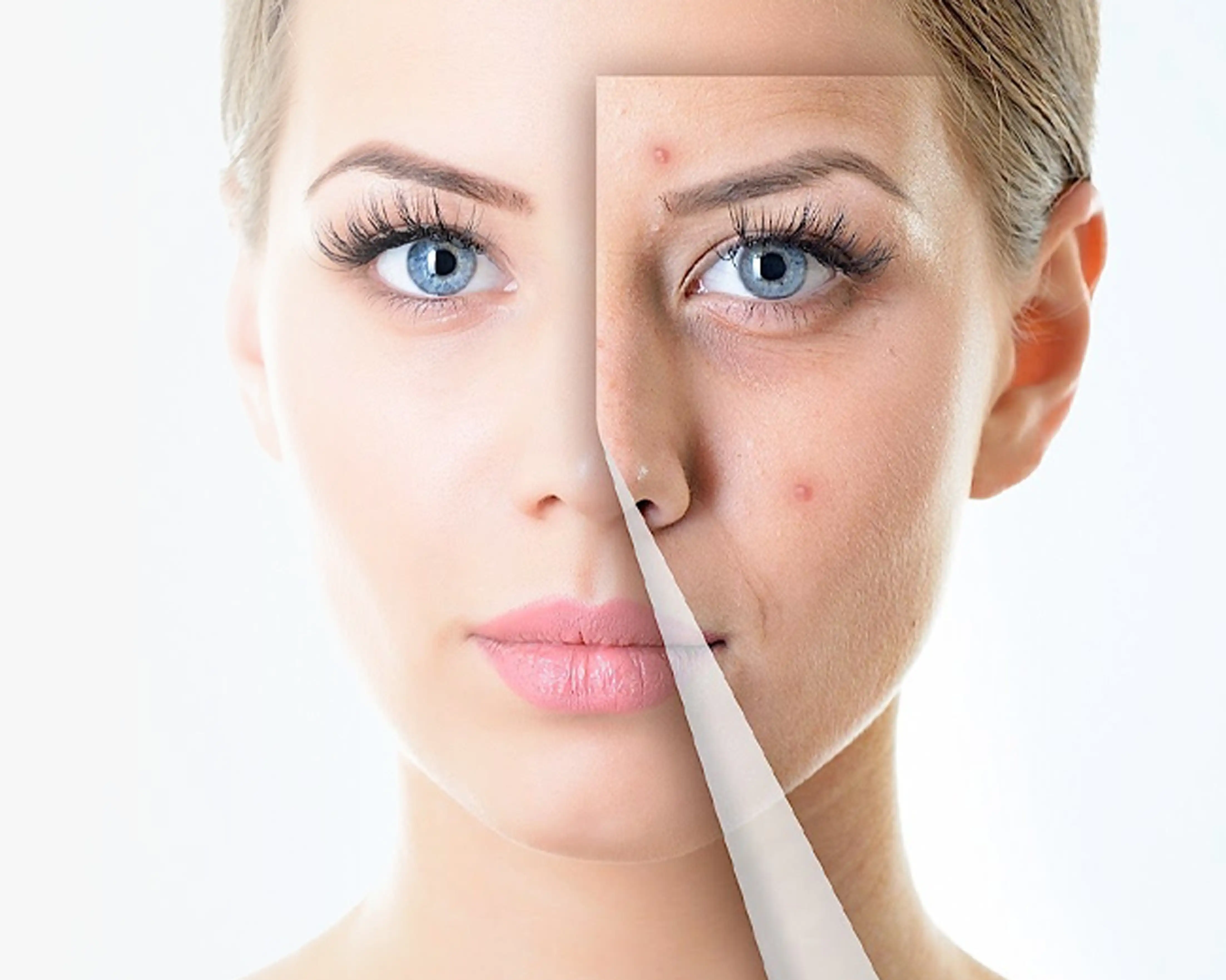
Pimple Treatment in Jeddah: Practical Solutions for Acne-Prone Skin
Pimple treatment in Jeddah is a growing skincare consideration for individuals who want to manage recurring breakouts and maintain a clearer complexion. Pimples can affect people of all ages and may appear as small bumps, blackheads, whiteheads, red spots, or deeper inflamed lesions. Although occasional pimples are a normal part of skin health, frequent breakouts can become frustrating, especially when they leave behind discoloration or scars. Learning about the causes of acne and choosing an appropriate treatment strategy can make long-term skin management easier.
What Causes Pimples?
Pimples usually develop when pores become clogged. The skin naturally produces sebum, an oily substance that helps protect the surface. When excessive sebum combines with dead skin cells, pores can become blocked.
Inflammation may then develop around the blocked follicle. This can produce red, swollen pimples or lesions containing pus.
Hormonal fluctuations can increase oil production and are a common factor in acne. Genetics can also influence how frequently an individual experiences breakouts.
Other possible contributors include certain skincare products, cosmetics, hair products, medications, stress, and environmental conditions.
Why Acne Requires Individualized Care
Acne does not look the same in every person. Some individuals primarily experience blackheads and whiteheads, while others develop inflammatory pimples or deeper nodules.
Skin type also varies. A person with oily skin may require a different routine from someone with dry or sensitive skin.
For this reason, using the same treatment approach for everyone may not produce the desired results. A personalized routine can focus on the individual's acne type, skin sensitivity, and long-term goals.
Environmental Factors in Jeddah
The warm climate in Jeddah can make skincare more challenging for people who are prone to oily or congested skin. Increased sweating may make the skin feel greasy, while outdoor exposure can introduce additional environmental particles.
People who spend time outside may benefit from cleansing the skin after significant sweating. However, excessive washing should be avoided because it can cause dryness and irritation.
Choosing lightweight skincare and makeup products can also help reduce the feeling of heaviness on the skin.
Recognizing Acne Severity
Mild acne often includes occasional blackheads, whiteheads, or small pimples. Moderate acne may involve more frequent inflammatory lesions.
Severe acne can include numerous inflamed pimples, nodules, or cysts. Deep acne can be painful and may increase the possibility of permanent scarring.
If acne is persistent, painful, or rapidly worsening, professional assessment can help determine the appropriate next step.
Professional Skin Assessment
A professional assessment can identify the type and severity of acne. It may also consider the individual's skincare routine, previous treatments, skin sensitivity, and history of scarring.
This evaluation can help determine whether basic topical skincare is appropriate or whether a more structured treatment strategy may be necessary.
Professional guidance can also prevent unnecessary experimentation with multiple strong products that could irritate the skin.
Common Acne Treatment Ingredients
Several active ingredients are commonly used to manage acne.
Salicylic acid can help exfoliate the skin and reduce the accumulation of dead skin cells inside pores. Benzoyl peroxide is frequently used for inflammatory acne because of its antibacterial and anti-inflammatory properties.
Retinoid-based treatments can help prevent pore blockage by influencing skin-cell turnover. Azelaic acid may be useful for acne and certain forms of post-inflammatory discoloration.
The choice of ingredient should depend on the individual's skin condition. Some products may cause dryness, peeling, or irritation, particularly when used excessively.
Gentle Cleansing
A good cleansing routine removes excess oil, sweat, sunscreen, makeup, and environmental residue.
However, acne-prone skin does not need aggressive scrubbing. Rough exfoliation can irritate inflamed areas and make the skin more uncomfortable.
A gentle cleanser used consistently can provide adequate cleansing without unnecessarily disrupting the skin barrier.
Moisturizing Acne-Prone Skin
Moisturizer remains important even when the skin is oily. Acne treatments can sometimes cause dryness, and inadequate hydration may leave the skin feeling tight or irritated.
A lightweight, non-comedogenic moisturizer can help maintain hydration while reducing concerns about pore blockage.
Maintaining the skin barrier can also improve comfort and make it easier to continue a consistent acne routine.
Importance of Sunscreen
Sun protection is an important part of skincare for individuals with acne. Ultraviolet exposure can contribute to skin damage and may make post-acne discoloration more noticeable.
A suitable broad-spectrum sunscreen can help protect the skin during outdoor activities.
Individuals with oily or acne-prone skin may prefer lightweight formulas that are less likely to feel heavy.
Avoiding Home Extraction
One of the most common mistakes in acne care is squeezing pimples at home. Although removing a visible blemish may seem appealing, excessive pressure can damage surrounding tissue.
Picking can increase inflammation and contribute to persistent marks or scars.
If professional extraction is considered appropriate, it should be performed using suitable techniques and hygiene practices rather than aggressive home squeezing.
Managing Acne-Related Discoloration
Pimples can leave behind temporary discoloration even after the inflammation has disappeared. These marks may gradually fade, but the process can take time.
Sun protection is particularly important because ultraviolet exposure can make pigmentation more noticeable.
Certain skincare ingredients may help improve uneven-looking pigmentation, but they should be selected carefully to avoid causing additional irritation.
Acne Scarring
Scarring is one of the reasons persistent acne should be addressed appropriately. Deep inflammatory acne has a greater possibility of damaging deeper skin structures.
Scars can appear as depressions, raised areas, or changes in texture. Their treatment depends on the specific type and severity.
Controlling active acne should generally be prioritized before focusing heavily on scar improvement. Preventing new inflammation can help reduce the risk of additional scarring.
Skincare During Hot Weather
During warmer conditions, people may need to adjust their skincare habits. Lightweight moisturizers, breathable makeup, and suitable sunscreen can be more comfortable.
After prolonged sweating, gently cleansing the skin can help remove accumulated sweat and oil.
It is also important not to replace skincare with excessive washing. The objective is to keep the skin clean and comfortable while preserving its natural protective barrier.
Lifestyle Habits
Lifestyle habits can complement a good skincare routine. Adequate sleep, regular exercise, balanced nutrition, and stress management support general health.
After exercise, changing out of sweaty clothing and cleansing the skin can be useful. Makeup tools should also be cleaned regularly.
Maintaining clean pillowcases and towels can further support good skincare hygiene.
Maintaining a Consistent Routine
Acne treatment requires patience. Many treatments take time to produce visible improvement, and constantly changing products can make the process more difficult.
A simple routine can include gentle cleansing, an appropriate acne treatment, moisturizer, and sunscreen.
Products should generally be introduced gradually, particularly when they contain active ingredients. This allows the skin to adjust and helps identify potential irritation.
When Professional Treatment Is Recommended
Professional care may be appropriate for people with persistent or severe acne. It can also be valuable when acne causes significant discomfort or begins leaving scars.
Individuals who have tried several skincare products without improvement may benefit from a professional assessment.
A tailored approach can help identify suitable treatment options and establish a realistic maintenance plan.
Long-Term Prevention
Once acne begins to improve, prevention remains important. Continuing appropriate skincare can help reduce the frequency of future breakouts.
Avoiding excessive touching, choosing suitable products, protecting the skin from sunlight, and maintaining a consistent routine can all contribute to long-term skin health.
The objective is to manage acne rather than constantly reacting to individual pimples.
Conclusion
Pimple treatment in Jeddah can include skincare, professional assessment, appropriate acne ingredients, lifestyle adjustments, and preventive care. Because acne varies significantly between individuals, treatment should be adapted to the person's skin type and condition.
Gentle cleansing, hydration, sun protection, avoiding pimple picking, and consistent use of appropriate products can help support clearer-looking skin. When acne becomes persistent, painful, or associated with scarring, professional guidance can provide a more structured approach to treatment and long-term management.

 Arabic
 French
 Spanish
 Portuguese
 Deutsch
 Turkish
 Dutch
Dutch
 Italiano
 Russian
 Romaian
 Portuguese (Brazil)
 Greek
Greek
 Bengali