


Pimple Treatment in Jeddah: A Comprehensive Guide to Acne Management
Pimple Treatment in Jeddah: A Comprehensive Guide to Acne Management
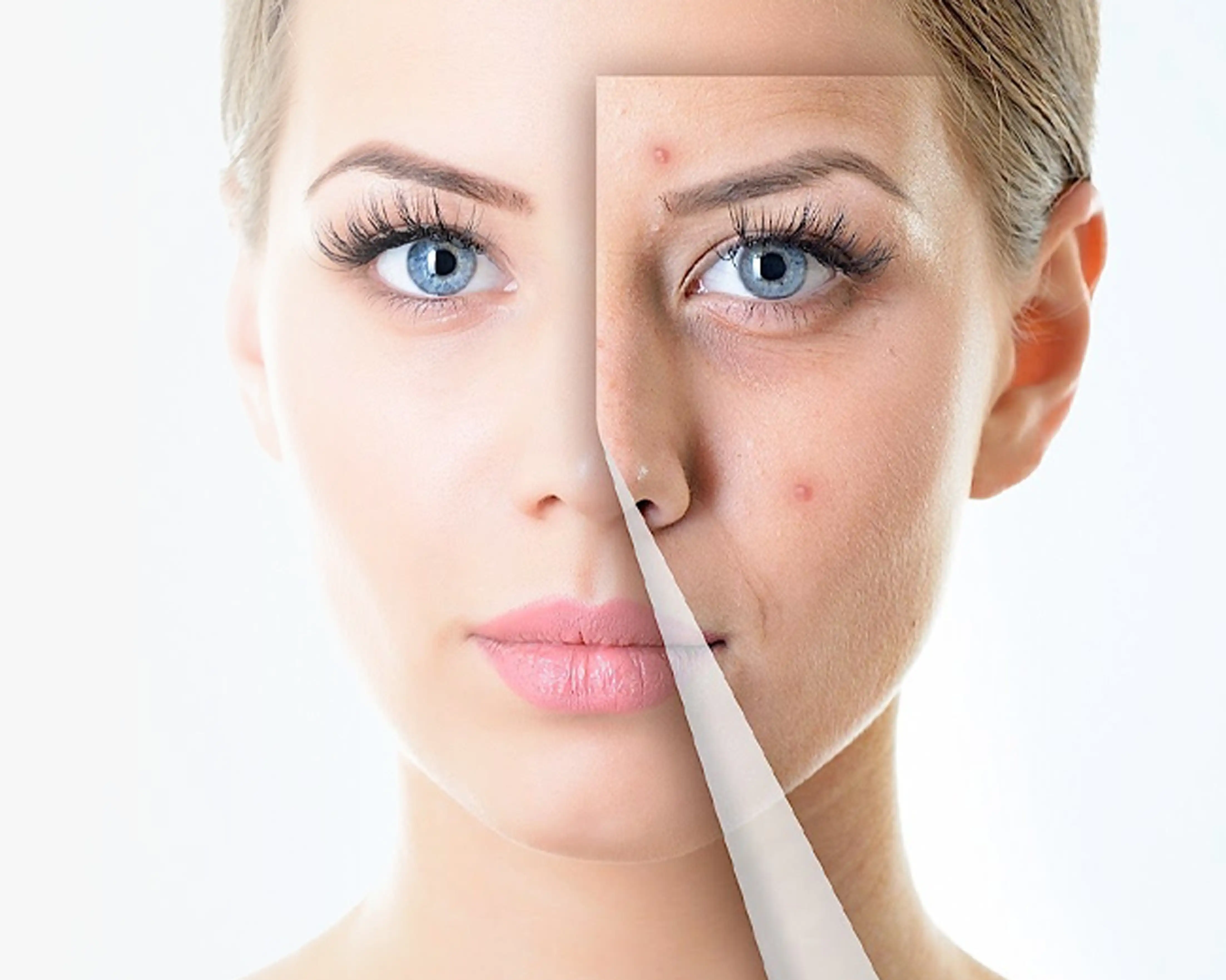
Pimple treatment in Jeddah can be an important solution for people who experience frequent breakouts, oily skin, clogged pores, or inflammatory acne. Pimples are a widespread skin concern and can affect individuals at different ages. While occasional blemishes are normal, persistent acne may become difficult to manage and can sometimes leave behind dark marks or scars. Understanding the causes of pimples and following an appropriate treatment routine can help improve the appearance and overall condition of acne-prone skin.
Understanding Pimples and Acne
A pimple develops when a hair follicle becomes blocked. The blockage can occur when sebum, dead skin cells, and other substances accumulate inside the pore.
Sebum is naturally produced by the sebaceous glands and helps protect the skin. However, excessive oil production can increase the likelihood of blocked pores.
When a blocked follicle becomes inflamed, it can develop into a red bump or pustule. More severe inflammation may result in nodules or cysts.
Acne can affect the forehead, nose, cheeks, chin, jawline, shoulders, chest, and back.
Main Factors Behind Breakouts
Acne often develops due to a combination of factors. Hormonal changes can stimulate increased oil production and contribute to clogged pores.
Genetics may also influence acne susceptibility. Individuals with a family history of acne may be more likely to experience recurring breakouts.
Certain cosmetics, hair products, medications, and skincare products can contribute to acne in some individuals. Stress may also coincide with increased breakouts, although acne has many possible causes.
Identifying the factors that may be influencing the skin can help create a more effective long-term approach.
The Influence of Jeddah's Climate
The local climate is another consideration when managing acne-prone skin. Warm temperatures can lead to increased sweating, particularly during outdoor activities.
Sweat mixed with oil, sunscreen, makeup, and environmental particles may make the skin feel congested. Gentle cleansing after significant sweating can help remove this buildup.
However, excessive cleansing is not recommended. Washing too frequently or using harsh products may irritate the skin and weaken its protective barrier.
Types of Pimples
Different types of pimples may require different approaches.
Blackheads are open clogged pores with a dark appearance caused by oxidation. Whiteheads are closed clogged pores that appear as small pale bumps.
Papules are red and inflamed, while pustules contain visible pus. Nodules and cysts develop deeper beneath the skin and can be painful.
Severe inflammatory acne may have a higher risk of scarring, making appropriate treatment particularly important.
Professional Assessment
A professional assessment can help determine the type and severity of acne. The evaluation may include an examination of the affected areas and consideration of skin sensitivity, previous treatments, and the presence of acne marks or scars.
A personalized assessment can help identify suitable treatment options rather than relying on generalized skincare advice.
It can also help prevent the unnecessary use of multiple products that may irritate the skin.
Common Acne Treatment Ingredients
Several ingredients are frequently used in acne management.
Salicylic acid can help exfoliate the skin and reduce clogged pores. Benzoyl peroxide is commonly used to address acne-associated bacteria and inflammation.
Retinoid-based treatments can help prevent pore blockage and support normal skin-cell turnover. Azelaic acid may be useful for certain forms of acne and post-inflammatory discoloration.
The appropriate treatment depends on individual skin characteristics. Active ingredients should generally be introduced gradually to reduce the possibility of irritation.
Gentle Cleansing
Cleansing is an essential part of acne care, but it should be gentle. The purpose is to remove excess oil, sweat, sunscreen, makeup, and environmental residue.
Aggressive scrubbing can irritate the skin and potentially make inflammatory acne feel worse.
A mild cleanser used consistently can help maintain cleanliness without excessively stripping the skin.
Hydration and Moisturization
Moisturizing is often misunderstood by people with oily skin. Even acne-prone skin needs adequate hydration.
A lightweight, non-comedogenic moisturizer can help support the skin barrier without unnecessarily contributing to clogged pores.
Moisturizer can be particularly valuable when acne treatments cause dryness or peeling.
Sun Protection
Protecting the skin from sunlight is an important part of an acne-conscious routine. Ultraviolet radiation can contribute to skin damage and may make post-acne pigmentation more noticeable.
A suitable broad-spectrum sunscreen can help protect exposed skin.
Individuals with oily or acne-prone skin may prefer lightweight formulas that feel comfortable during daily activities.
Avoiding Pimple Picking
Picking and squeezing pimples can cause additional inflammation. Physical pressure may damage surrounding skin and increase the likelihood of persistent marks.
Repeated manipulation can also delay healing and contribute to scarring.
Instead of squeezing individual pimples, it is generally better to use appropriate acne treatments and allow the skin time to recover.
Post-Acne Discoloration
Pimples can leave behind temporary discoloration. The marks may appear red, pink, brown, or darker depending on the individual's skin characteristics.
These marks often fade gradually. Consistent sun protection can help prevent them from becoming more prominent.
Suitable skincare ingredients may also be considered to improve uneven-looking pigmentation, but excessive exfoliation should be avoided.
Acne Scars and Their Prevention
Acne scars can occur when deeper inflammation damages the skin. They may appear as depressed areas, raised tissue, or changes in skin texture.
The best approach to minimizing future scars is to control active acne and avoid picking or squeezing lesions.
Once active acne is controlled, professional assessment can help determine whether specific scar-focused treatments may be appropriate.
Daily Hygiene
Good daily habits can complement acne treatment. Makeup should be removed before bedtime, and cosmetic tools should be cleaned regularly.
Pillowcases and towels should also be washed regularly because they come into contact with the face.
After exercising, cleansing the skin can help remove sweat and oil.
Lifestyle and Skin Health
General lifestyle habits can support overall skin health. Adequate sleep, balanced nutrition, regular physical activity, and stress management can contribute to general wellbeing.
Some individuals notice changes in acne during periods of increased stress or disrupted routines.
Nevertheless, persistent acne may require specific treatment rather than relying solely on lifestyle changes.
Developing a Practical Skincare Routine
A simple routine can often be easier to maintain than a complicated one. Basic acne-conscious skincare may include a gentle cleanser, suitable treatment product, moisturizer, and sunscreen.
New active ingredients should generally be introduced one at a time.
Using too many exfoliating products simultaneously can result in irritation, dryness, and discomfort.
When to Seek Professional Assistance
Professional care may be appropriate for persistent, severe, painful, or widespread acne.
It can also be useful when acne is leaving scars or when previous treatment attempts have not produced sufficient improvement.
Professional guidance can help identify the most suitable treatment strategy and provide recommendations for long-term maintenance.
Maintaining Clearer-Looking Skin
Once breakouts begin improving, continuing an appropriate routine can help maintain results.
Avoiding unnecessary product changes, choosing suitable skincare, protecting the skin from sunlight, and avoiding pimple picking can all support long-term management.
Acne care is usually more effective when it becomes a consistent part of daily skincare rather than an occasional response to individual pimples.
Conclusion
Pimple treatment in Jeddah can involve a combination of professional evaluation, suitable skincare ingredients, gentle cleansing, hydration, sun protection, and healthy daily habits. Since acne varies in cause, appearance, and severity, individualized care is often the most practical approach.
With consistency and patience, many people can reduce the frequency of breakouts and support healthier-looking skin. When acne is persistent, painful, or associated with scarring, professional guidance can help establish a more appropriate treatment and maintenance strategy.

 English
 Arabic
 French
 Spanish
 Portuguese
 Deutsch
 Turkish
 Dutch
Dutch
 Italiano
 Romaian
 Portuguese (Brazil)
 Greek
Greek
 Bengali