


Live Edge Shaping Techniques for Unique Wooden Furniture Designs
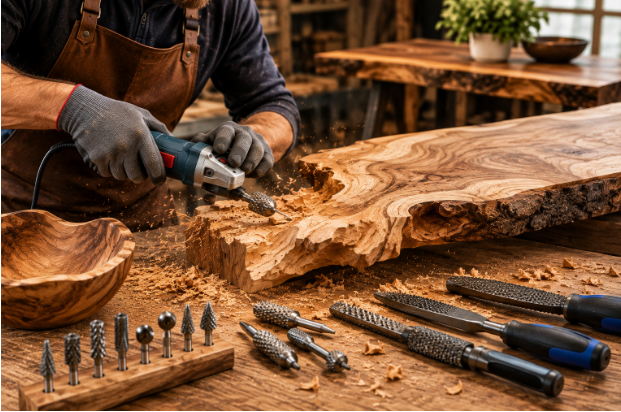
Woodworking has evolved from traditional straight-line construction into a creative process where natural forms, textures, and organic details play a major role. Live edge furniture has become especially popular because it preserves the natural character of wood while transforming raw slabs into functional pieces. Through careful live edge shaping, woodworkers can enhance natural curves, refine rough surfaces, and create furniture designs that highlight the beauty of the original material.
Unlike conventional furniture styles that focus on uniform edges and symmetrical designs, live edge projects celebrate imperfections such as natural curves, grain patterns, knots, and unique contours. With the right techniques and tools, craftsmen can shape wood while maintaining its original character and creating pieces that feel connected to nature. Kutzall provides woodworking tools designed for furniture making, including shaping wheels, burrs, contour wheels, and hand rasps that help artisans create detailed forms and refined finishes.
What Is Live Edge Shaping?
Live edge shaping is the process of refining natural wood slabs and edges while preserving their organic appearance. Instead of cutting away the natural outline of the wood, craftsmen work with the existing shape to enhance its visual appeal and functionality.
This process may involve:
-
Smoothing uneven edges
-
Creating comfortable curves
-
Removing excess material
-
Refining natural contours
-
Adding artistic textures
The goal is not to make the wood look perfectly manufactured but to highlight its natural beauty while improving usability.
Why Live Edge Furniture Is Popular
Live edge furniture has gained popularity among homeowners, designers, and woodworkers because every piece is naturally unique. No two slabs have identical grain patterns, shapes, or textures, making each finished project one of a kind.
Some reasons people choose live edge designs include:
Natural Character
The original shape and grain of the wood become part of the design. Features such as knots, cracks, and irregular edges add personality and visual interest.
Custom Appearance
Because every wood slab is different, live edge furniture allows craftsmen to create highly customized tables, shelves, benches, and decorative pieces.
Connection With Nature
The organic appearance of live edge wood brings warmth and natural texture into interior spaces.
Tools Used for Live Edge Shaping
Creating refined live edge pieces requires tools that provide control and precision. Different tools are used depending on the stage of the project.
Shaping Wheels
Shaping wheels are commonly used for removing material quickly and creating flowing forms. They help woodworkers shape large areas, soften edges, and develop smooth transitions.
Burrs
Carving burrs allow detailed shaping and texture work. They are useful for adding decorative elements, refining smaller areas, and creating artistic details.
Contour Wheels
Contour wheels are designed for shaping curved surfaces and creating recessed areas. They help craftsmen develop ergonomic forms and smooth transitions in furniture components.
Hand Rasps
Hand rasps provide additional control during the finishing stage. They allow woodworkers to refine shapes manually and adjust smaller details with precision. Kutzall hand rasps are designed for shaping and smoothing wood surfaces while providing control in detailed woodworking applications.
Steps Involved in Live Edge Shaping
Successful live edge projects require careful planning and a gradual shaping process.
Selecting the Right Wood Slab
The first step is choosing a suitable slab based on size, grain pattern, thickness, and intended use. Woodworkers often look for slabs with interesting natural features that can become design highlights.
Removing Excess Material
Initial shaping focuses on removing unwanted sections while maintaining the natural outline. Power carving tools can help speed up this process while allowing controlled material removal.
Refining Curves and Edges
After the rough shape is created, craftsmen refine the surface by smoothing transitions and improving comfort. This stage is important for creating furniture that looks attractive and feels practical.
Adding Texture and Details
Some projects include carved patterns, textured surfaces, or artistic details. These elements add depth and individuality to the finished piece.
Final Smoothing and Finishing
The final stage involves smoothing the surface and preparing the wood for protective finishes. Proper finishing enhances the grain and helps preserve the furniture for long-term use.
Creating Sculptural Designs With Live Edge Wood
Live edge techniques allow woodworkers to move beyond basic furniture construction and create artistic pieces. Tables, chairs, benches, and cabinets can be shaped with flowing lines that reflect the natural movement of the wood.
Many craftsmen use live edge shaping to create sculpted furniture that combines practical function with artistic expression. By blending traditional woodworking methods with modern carving techniques, makers can produce pieces that serve as both furniture and visual artwork.
Applications of Live Edge Shaping
Live edge shaping can be used for various furniture projects, including:
Dining Tables
Large slabs can be shaped and refined into statement dining tables that showcase natural grain patterns.
Coffee Tables
Smaller pieces can become unique centerpieces with organic edges and custom designs.
Chairs and Benches
Shaping techniques can improve comfort by creating curved seating surfaces and ergonomic forms.
Shelves and Decorative Pieces
Live edge shelves add natural texture and character to interior spaces.
Benefits of Using Power Carving Techniques
Power carving tools provide several advantages for furniture makers.
Faster Material Removal
Compared with traditional hand-only methods, power tools can speed up the shaping process.
Better Control Over Complex Forms
Specialized carving tools help craftsmen create curves, transitions, and detailed designs.
Greater Creative Freedom
Woodworkers can experiment with organic shapes and artistic finishes that may be difficult to achieve with basic tools.
Maintaining Quality During Live Edge Projects
Although shaping allows creativity, maintaining quality requires patience and attention to detail.
Important considerations include:
-
Understanding wood grain direction
-
Avoiding excessive material removal
-
Using appropriate safety equipment
-
Allowing proper finishing time
-
Protecting the natural structure of the wood
Careful craftsmanship ensures that the final piece remains durable while preserving the beauty of the original material.
Conclusion
Live edge woodworking allows craftsmen to transform natural wood slabs into functional and artistic creations. By combining skilled techniques with the right tools, makers can develop sculpted furniture that reflects creativity, craftsmanship, and the natural beauty of wood. Through careful live edge shaping, woodworkers can enhance organic forms, refine surfaces, and create furniture pieces that highlight the unique qualities of each piece of wood.

 English
 Arabic
 French
 Spanish
 Deutsch
 Turkish
 Dutch
Dutch
 Italiano
 Russian
 Romaian
 Portuguese (Brazil)
 Greek
Greek
 Bengali