


Treadmill Test Near Me: What to Know Before Testing
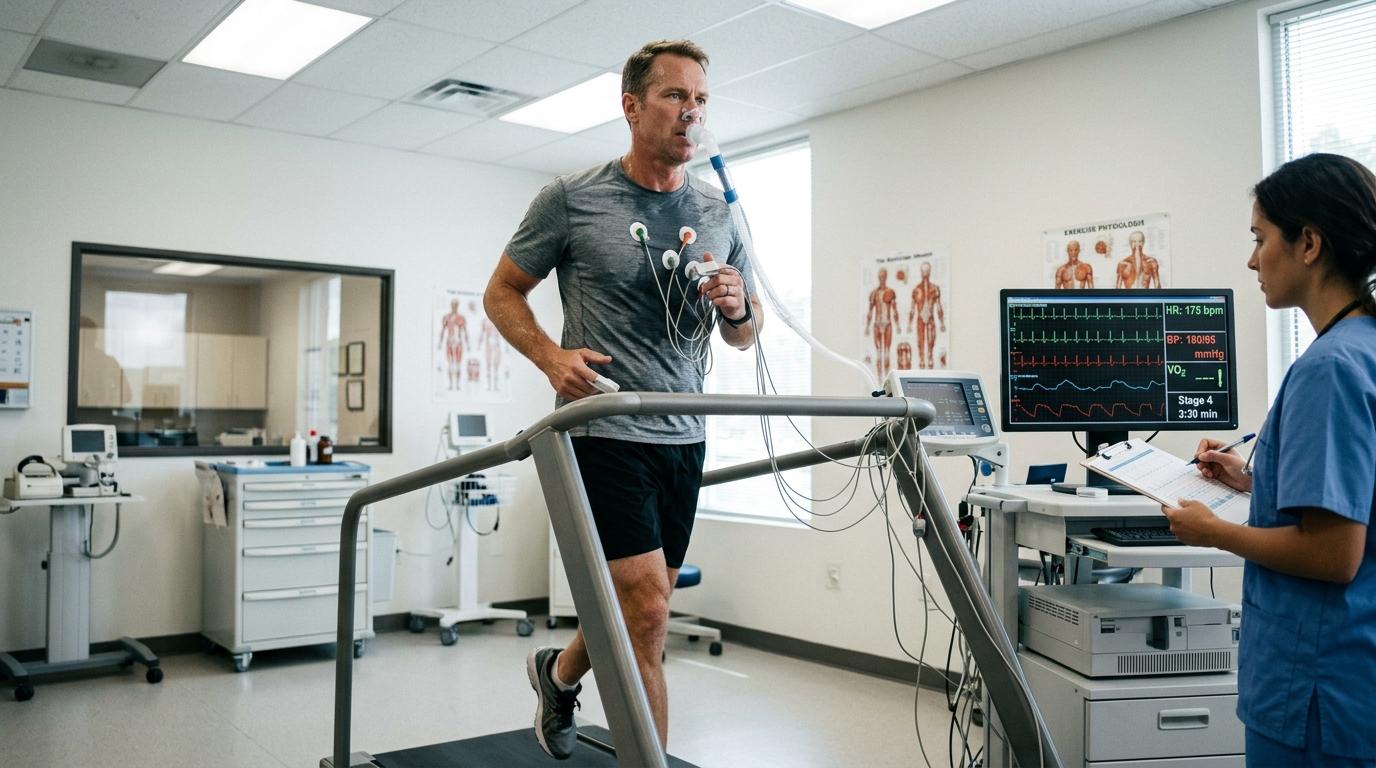
What a Treadmill Stress Test Can Tell You About Your Heart
When searching for a treadmill test near me, many people are simply looking for a convenient way to check their heart health. A treadmill stress test, also called an exercise stress test, does more than measure how long you can walk or run. It allows healthcare professionals to observe how your heart responds as physical activity gradually increases. The test can provide useful information about heart rhythm, exercise tolerance, blood pressure, and possible signs of reduced blood flow to the heart.
ECOTOWN Diagnostics – Treadmill Stress Test in Bangalore
Why Consider a Treadmill Test Near Me?
A treadmill stress test is commonly recommended when a doctor wants to understand how the heart performs during physical exertion. Some heart-related problems may not be obvious while you are resting but can become noticeable when your heart has to work harder.
Common reasons for the test
A healthcare professional may recommend an exercise stress test if you experience:
-
Chest discomfort during physical activity
-
Unexplained shortness of breath
-
Dizziness or unusual fatigue
-
Irregular or racing heartbeat
-
Reduced exercise capacity
-
Symptoms that appear only during exertion
The test may also be useful when evaluating cardiovascular fitness, assessing known heart conditions, or determining how well a treatment plan is working.
Importantly, not everyone with these symptoms needs a treadmill test. Your doctor will consider your medical history, symptoms, age, risk factors, and other test results before recommending one.
How Does an Exercise Stress Test Work?
Understanding what happens during the appointment can make the experience feel much less intimidating. The procedure is generally straightforward and takes place under professional supervision.
Before exercise begins, electrodes are placed on your chest to monitor the heart's electrical activity. Your resting heart rate and blood pressure are also checked.
You then begin walking on a treadmill at a comfortable pace. The speed and incline are gradually increased, making the heart work harder. Throughout the procedure, professionals monitor your ECG, heart rate, blood pressure, and symptoms.
The test may be stopped when you reach a target heart rate, develop significant symptoms, become too tired to continue, or when the healthcare professional determines that enough information has been collected.
What Can the Results Reveal?
One major benefit of an exercise stress test is that it provides information about your cardiovascular response to increasing physical demand.
A doctor may examine several factors, including changes in your ECG, heart rhythm, blood pressure response, exercise duration, and the symptoms you experience.
An abnormal result does not automatically mean that you have a serious heart condition. It may indicate that additional evaluation is appropriate. Depending on the findings, your doctor could recommend further investigations such as an echocardiogram, imaging-based stress test, or other cardiac assessment.
On the other hand, a reassuring result can provide useful information about your ability to tolerate exercise and your cardiovascular response under controlled conditions.
Preparing for Your Treadmill Test
A little preparation can help make the appointment smoother and the results more useful.
Before the appointment
Follow the instructions provided by your healthcare provider. Depending on your circumstances, you may be asked to avoid eating for a certain period, limit caffeine, or temporarily adjust specific medications.
Wear comfortable clothing and supportive walking or athletic shoes. Avoid applying lotions, oils, or creams to your chest if you have been instructed to wear ECG electrodes, as these products can make electrode placement more difficult.
It is also important to tell the medical team about any symptoms you have experienced, medications you take, and relevant health conditions.
Never stop prescription medication simply because you are having an exercise test unless your doctor specifically tells you to do so.
Choosing a Reliable Testing Centre
Convenience matters when arranging diagnostic testing, but it should not be the only consideration. When comparing options after searching for a treadmill test near me, look beyond distance and consider the quality of the diagnostic facility.
What should you look for?
A suitable centre should have trained healthcare professionals, appropriate monitoring equipment, hygienic facilities, and a clear process for reporting results.
It can also be helpful to check whether appointments are available at convenient times and whether the centre provides other diagnostic services you may need.
If your doctor has requested additional investigations, choosing a diagnostic centre that offers multiple services can make the overall process easier.
Is the Test Safe?
For most appropriately selected patients, an exercise stress test is considered a controlled procedure because your heart rate, rhythm, blood pressure, and symptoms are monitored throughout the test.
However, exercise testing is not appropriate for everyone. Certain acute or serious heart conditions may require a different approach. This is why medical evaluation before the test is important.
During the appointment, immediately tell the supervising professional if you experience chest pain, severe breathlessness, dizziness, unusual weakness, or any other concerning symptom. The test can be stopped whenever necessary.
When Should You Discuss Testing With a Doctor?
You do not necessarily need to wait until symptoms become severe before discussing cardiovascular health with a healthcare professional.
If you notice that ordinary activities suddenly leave you unusually tired or breathless, or if you experience recurring discomfort during exercise, make an appointment with your doctor. People with cardiovascular risk factors may also benefit from discussing appropriate screening and monitoring strategies.
A treadmill stress test should be viewed as one part of a broader assessment rather than a standalone diagnosis.
Making Heart Health Part of Your Routine
Finding a treadmill test near me can be a practical first step when a healthcare professional has recommended exercise-based cardiac evaluation. But long-term heart health depends on more than diagnostic testing.
Regular physical activity, a balanced diet, adequate sleep, maintaining a healthy weight, avoiding tobacco, and managing conditions such as high blood pressure or high cholesterol can all contribute to cardiovascular wellness.
Most importantly, pay attention to changes in your body. Symptoms that consistently occur during physical activity deserve professional attention rather than being dismissed as normal tiredness.
Frequently Asked Questions
How long does an exercise stress test take?
The exercise portion is usually relatively short, although the complete appointment can take longer because of preparation, monitoring, and recovery.
Can I eat before the test?
Instructions can vary depending on the facility and your individual circumstances. Follow the preparation guidance provided by your healthcare professional.
Should I take my regular medicines?
Do not change your medication routine unless your doctor or testing centre specifically instructs you to do so. Some medicines can affect heart rate and may need special instructions before testing.
Can the test detect every heart problem?
No. An exercise stress test evaluates specific aspects of cardiovascular function but cannot identify every possible heart condition. Additional tests may be necessary depending on your symptoms and results.
What should I wear?
Comfortable clothing and suitable walking or athletic shoes are generally recommended because you will be exercising on a treadmill.
Conclusion
A treadmill stress test can provide valuable insight into how your heart responds when physical demands increase. From monitoring heart rhythm and blood pressure to assessing exercise tolerance, it can help doctors decide whether further cardiovascular evaluation is necessary.
If your doctor has recommended testing, choosing a dependable diagnostic centre and following the preparation instructions carefully can make the experience easier. Rather than focusing only on finding the closest treadmill test near me, consider the centre's professional standards, equipment, monitoring capabilities, and overall diagnostic services. Taking the right steps today can help you make more informed decisions about your heart health.

 Arabic
 French
 Spanish
 Portuguese
 Deutsch
 Turkish
 Dutch
Dutch
 Italiano
 Russian
 Romaian
 Portuguese (Brazil)
 Greek
Greek
 Bengali