


What Should You Know About Attic Mold Removal Ottawa
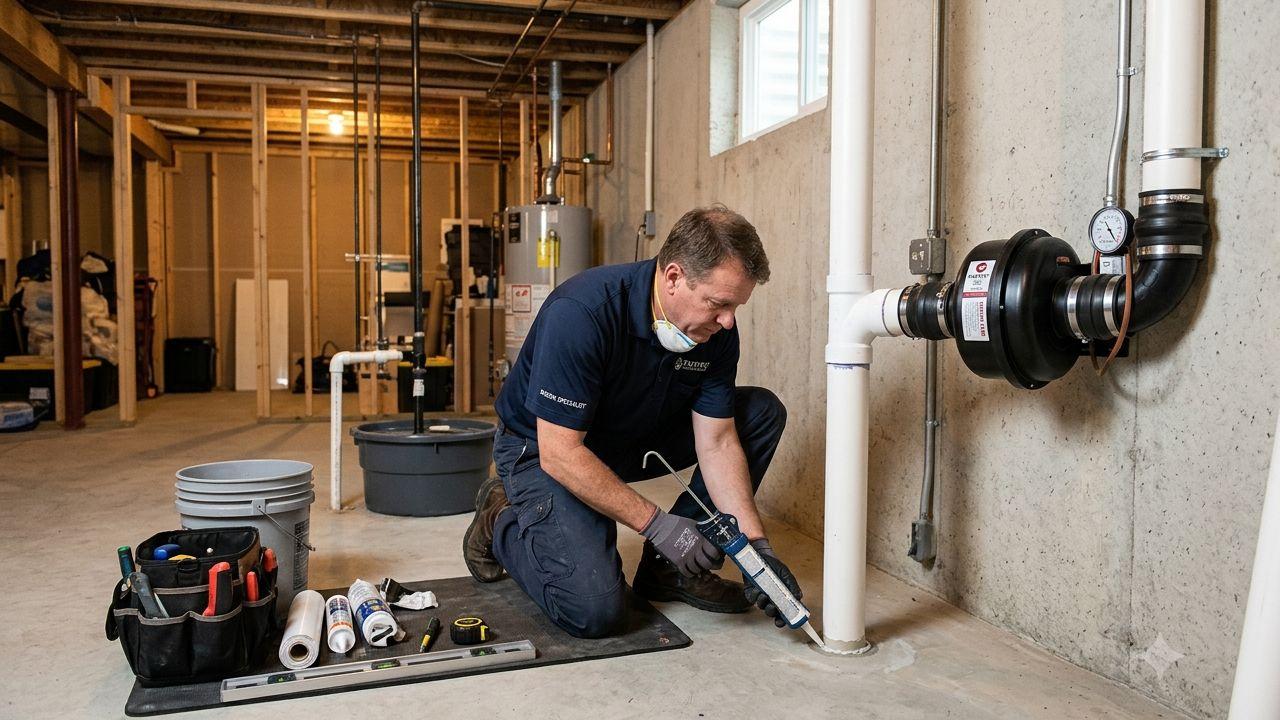
Have you noticed a musty smell, dark stains, or damp insulation in your attic? These signs may indicate a mold problem that should not be ignored. For homeowners searching for attic mold removal Ottawa, understanding why mold develops and how it should be professionally removed is an important first step toward protecting both the home and its indoor environment.
Ottawa homes experience significant seasonal changes, including cold winters, humid summers, snow, rain, and temperature fluctuations. These conditions can contribute to condensation, moisture buildup, roof leaks, and inadequate attic ventilation. When moisture remains trapped in an attic, mold can develop on roof sheathing, rafters, insulation, and other materials.
Removing visible mold is only part of the solution. A successful remediation process should also identify the moisture source, contain the affected area, remove contaminated materials when necessary, and help prevent the problem from returning.
Why Does Mold Develop in Ottawa Attics
Attic mold generally needs moisture, an organic material to grow on, and suitable environmental conditions. Several common problems can provide these conditions.
Poor Attic Ventilation
Ventilation is essential for controlling moisture and temperature. Warm, humid air from the living areas can rise into the attic. If it cannot escape properly, it may condense on colder roof surfaces.
Over time, repeated condensation can create damp conditions that encourage mold growth. Proper intake and exhaust ventilation can help maintain healthier attic conditions.
Roof Leaks
Even a small roof leak can introduce enough moisture to support mold growth. Damaged shingles, flashing problems, deteriorated roofing materials, or ice-related issues can allow water to enter the attic.
Because some leaks are intermittent, homeowners may not notice them immediately. Mold can continue developing between visible signs of water damage.
Bathroom and Kitchen Exhaust Problems
Exhaust fans should normally direct humid air outside the home. If a bathroom or kitchen fan vents into the attic, it can continuously introduce moisture into the space.
This is particularly problematic during colder Ottawa weather because warm, moist air can quickly condense on cold attic surfaces.
What Are the Warning Signs of Attic Mold
Mold is not always immediately visible. Homeowners should watch for several warning signs when inspecting an attic.
A persistent musty or earthy odor is one common indication. Dark, greenish, grey, or unusual discoloration on roof sheathing and wooden framing can also signal mold growth.
Damp, compressed, or discolored insulation is another warning sign. Water stains may also appear around roof penetrations, vents, chimneys, or other areas where moisture can enter.
It is important to remember that not every dark stain is necessarily mold. Professional inspection and testing can help determine whether suspected growth is actually mold and establish the extent of the problem.
Why Is Professional Attic Mold Removal Important
DIY cleaning may seem like an inexpensive solution, but disturbing mold without proper precautions can spread spores to other areas of the house.
Professional attic mold removal Ottawa services can use appropriate containment procedures, protective equipment, specialized filtration, and remediation techniques. The objective is not simply to make mold stains disappear. Instead, the contaminated material and underlying moisture problem need to be addressed appropriately.
For example, porous materials such as heavily contaminated insulation may need to be removed rather than simply sprayed. Wooden surfaces may require careful cleaning and physical removal techniques depending on the severity of contamination.
A professional approach can also reduce the possibility of cross-contamination between the attic and occupied areas of the home.
What Does the Attic Mold Removal Process Involve
Although every project is different, professional remediation commonly involves several important stages.
1. Inspection and Assessment
The first step is identifying where mold is located and determining how extensive the problem may be. Professionals can examine roof sheathing, rafters, insulation, ventilation areas, and other potential moisture sources.
The inspection should also look for the reason the mold developed. Without correcting the underlying moisture problem, mold can return after cleaning.
2. Containment
If significant mold contamination is present, the affected area may need to be contained. Proper containment helps prevent contaminated dust and airborne particles from spreading into the living areas.
Depending on the situation, specialized air filtration and negative-air equipment may also be used.
3. Removal of Contaminated Materials
Materials that cannot be effectively cleaned may need to be removed. Mold-contaminated insulation is a common example.
Removing affected materials carefully can help eliminate a source of contamination rather than simply treating the visible surface.
4. Cleaning and Treatment
Wood and other salvageable surfaces can be cleaned using appropriate professional methods. Depending on the material and severity of contamination, techniques may include HEPA vacuuming, physical cleaning, or other specialized remediation procedures.
The method should be selected according to the condition of the affected materials rather than applying the same treatment to every attic.
5. Final Cleaning and Verification
After remediation, the area should be thoroughly cleaned. In some circumstances, post-remediation testing or verification can provide additional information about the condition of the treated space.
The goal is to leave the attic clean while also addressing the moisture conditions that originally allowed mold to develop.
Can Attic Mold Be Prevented
Prevention begins with moisture control. Homeowners should regularly check the roof for damage and address leaks as soon as possible.
Attic ventilation should also be evaluated to ensure air can move appropriately through the space. Bathroom and kitchen exhaust fans should be properly vented outdoors.
Insulation should be installed correctly without blocking intended ventilation pathways. Homeowners should also watch for condensation, damp insulation, water stains, and unusual odors.
Regular inspections can be particularly valuable after major storms or roofing problems. Identifying moisture early can prevent a small issue from becoming a larger mold remediation project.
How Much Does Attic Mold Removal Cost in Ottawa
The cost of attic mold removal can vary considerably from one property to another. There is no single price that applies to every home.
Factors that can influence the cost include the size of the affected area, severity of mold growth, accessibility of the attic, amount of contaminated insulation, required containment, cleaning methods, and any repairs needed to correct the moisture source.
A small localized problem may require considerably less work than widespread contamination throughout an entire attic. Homeowners should therefore obtain an assessment and detailed scope of work rather than relying solely on a general price estimate.
Why Should You Avoid Ignoring Attic Mold
Ignoring attic mold can allow the problem to become more extensive. Continued moisture can affect insulation and building materials, while ongoing mold growth can contribute to poor indoor environmental conditions.
A small visible area may also indicate a larger hidden moisture problem. For this reason, homeowners should investigate the cause rather than simply covering or painting over visible staining.
Early attention can make remediation more manageable and may help prevent unnecessary damage to the property.
How Can Simon Air Quality Help
If you are concerned about attic mold, Simon Air Quality provides indoor air quality and mold-related services in the Ottawa area. Its website highlights mold testing as one of its featured services and explains that professional assessment can help homeowners investigate suspected mold and indoor air quality concerns.
For homeowners who want to learn more about professional indoor air quality and mold services, you can Click here and explore the available services and information.
Conclusion
Attic mold should never be treated as merely a cosmetic problem. For homeowners searching for attic mold removal Ottawa, the most effective approach is to identify the source of moisture, assess the extent of contamination, safely remove affected materials, clean the area properly, and take preventive measures against future moisture buildup.
Ottawa's changing climate makes attic moisture management particularly important. Regular inspections, proper ventilation, timely roof repairs, and appropriate exhaust systems can all help reduce the conditions that allow mold to grow.
If you notice a musty odor, visible mold, damp insulation, or unexplained water staining in your attic, consider arranging a professional assessment. Addressing the issue early can help protect your home, improve indoor environmental conditions, and reduce the likelihood of a more extensive remediation project.

 English
 Arabic
 French
 Spanish
 Portuguese
 Turkish
 Dutch
Dutch
 Italiano
 Russian
 Romaian
 Portuguese (Brazil)
 Greek
Greek
 Bengali