


Keloid Treatment in Islamabad: The Latest Non-Surgical and Surgical Options
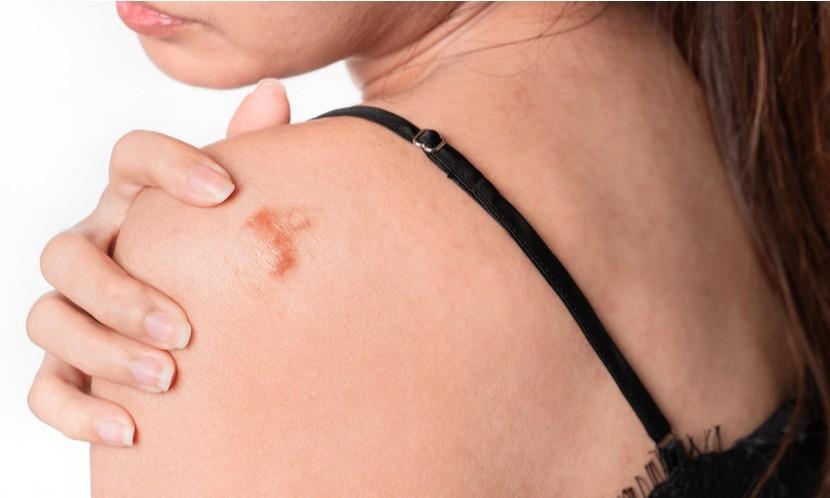
Keloids are raised, thick scars that develop when the skin produces excess collagen during the healing process. Unlike normal scars, they continue to grow beyond the original wound and may cause discomfort, itching, or cosmetic concerns. Today, advances in dermatology and cosmetic surgery have made it possible to manage keloids more effectively than ever before. Whether your scar developed after surgery, acne, burns, or ear piercing, Keloid Treatment in Islamabad offers a variety of modern solutions tailored to your skin condition.
What Is a Keloid?
A keloid is an overgrown scar that forms due to an abnormal healing response. These scars are usually firm, smooth, and raised above the surrounding skin. They can appear pink, red, brown, or darker than the natural skin tone depending on the individual's complexion.
Keloids commonly develop on:
- Chest
- Shoulders
- Earlobes
- Neck
- Back
- Jawline
Although keloids are not dangerous, they can become painful, itchy, or emotionally distressing because of their appearance.
Why Do Keloids Form?
Several factors increase the likelihood of developing keloids, including:
- Genetics and family history
- Acne scars
- Surgical incisions
- Burns
- Ear or body piercings
- Cuts and traumatic injuries
- Vaccination scars
People with darker skin tones generally have a higher tendency to develop keloids compared to those with lighter skin.
Latest Non-Surgical Keloid Treatments
Modern dermatology offers several minimally invasive treatments that help flatten, soften, and reduce the appearance of keloids without surgery.
Corticosteroid Injections
Steroid injections remain one of the most effective first-line treatments. They reduce inflammation and slow excessive collagen production, making the scar flatter and softer over multiple treatment sessions.
Laser Therapy
Advanced laser technology improves skin texture, reduces redness, and minimizes the thickness of keloid scars. It is often combined with steroid injections for enhanced outcomes.
Cryotherapy
Cryotherapy involves freezing the scar tissue using liquid nitrogen. This technique works particularly well for smaller keloids and helps reduce their size over time.
Silicone Gel Sheets
Medical-grade silicone sheets are commonly recommended after procedures or during early scar formation. Consistent use may reduce scar thickness and improve texture.
Pressure Therapy
Pressure garments or specialized earrings are especially helpful after ear keloid treatment. Continuous pressure limits excessive scar growth during healing.
Surgical Keloid Treatment Options
For large or stubborn scars that do not respond to conservative therapies, surgery may be considered.
Surgical Excision
The surgeon carefully removes the keloid tissue while preserving as much healthy skin as possible. Since surgery alone carries a risk of recurrence, additional therapies are usually recommended afterward.
Surgery Combined with Steroid Therapy
Following surgical removal, corticosteroid injections help reduce the chance of the keloid returning. This combined approach provides better long-term success than surgery alone.
Surgery with Radiation Therapy
In selected cases involving recurrent or aggressive keloids, low-dose radiation therapy may be recommended immediately after surgery. This helps reduce collagen overproduction and lowers recurrence rates.
Who Is a Good Candidate for Keloid Treatment?
You may benefit from treatment if you:
- Have raised or enlarging scars
- Experience itching or pain
- Feel self-conscious about the scar's appearance
- Have keloids affecting movement or flexibility
- Have scars that repeatedly become irritated
A thorough consultation allows the specialist to determine the most appropriate treatment plan based on the scar's size, location, and history.
What to Expect During Treatment
Most non-surgical procedures are performed on an outpatient basis and require little to no downtime. Depending on the severity of the scar, several sessions may be needed for optimal improvement.
For surgical removal, the procedure is usually completed under local anesthesia. Recovery is generally straightforward, although follow-up visits are important to monitor healing and reduce the likelihood of recurrence.
Recovery and Aftercare
Following your dermatologist's aftercare instructions significantly improves treatment success. Patients are commonly advised to:
- Keep the treated area clean.
- Avoid unnecessary friction or pressure.
- Protect the scar from direct sunlight.
- Attend all scheduled follow-up appointments.
- Use prescribed creams or silicone products consistently.
Proper aftercare plays an essential role in preventing new scar formation.
Benefits of Modern Keloid Treatment
The latest treatment methods offer numerous advantages, including:
- Reduced scar thickness
- Improved skin appearance
- Relief from itching and discomfort
- Better skin flexibility
- Increased confidence
- Personalized treatment plans
- Lower recurrence risk with combination therapies
Can Keloids Be Prevented?
Although prevention is not always possible, individuals prone to keloids can reduce their risk by avoiding unnecessary skin trauma, choosing experienced professionals for piercings or surgeries, and seeking early treatment when abnormal scar growth begins.
Frequently Asked Questions
Is keloid treatment painful?
Most treatments cause only mild discomfort. Local anesthesia or numbing creams are often used to ensure patient comfort.
Can a keloid come back after treatment?
Yes. Keloids can recur, but combining treatments such as surgery with steroid injections or other therapies significantly lowers the risk.
How many treatment sessions are required?
The number of sessions depends on the size, location, and severity of the keloid. Some patients improve after a few sessions, while others require ongoing treatment.
Which treatment is best for large keloids?
Large or recurrent keloids often respond best to a combination of surgical removal and additional therapies such as steroid injections or radiation.
When should I seek treatment for a keloid?
It is best to seek treatment as soon as you notice the scar becoming raised, enlarging, itchy, or uncomfortable, as early intervention often leads to better outcomes.
Final Thoughts
Modern scar management has advanced significantly, offering effective solutions for patients dealing with stubborn keloids. From steroid injections and laser therapy to surgical excision with combination treatments, today's options are designed to improve both appearance and comfort while reducing the risk of recurrence. If you're considering Keloid Treatment in Islamabad, consulting an experienced skin specialist is the best way to receive a personalized treatment plan that matches your skin type, scar condition, and long-term goals.

 Arabic
 French
 Spanish
 Portuguese
 Deutsch
 Turkish
 Dutch
Dutch
 Italiano
 Russian
 Romaian
 Portuguese (Brazil)
 Greek
Greek
 Bengali