Hair loss is a common concern that affects millions of people worldwide. Whether it begins as a receding hairline, thinning crown, or overall loss of hair density, it can influence confidence and self-image. While many treatments are available, not every solution provides permanent or natural-looking results. This is why FUE Hair Transplant has become one of the most popular hair restoration procedures for people seeking a long-term solution.
However, not everyone experiencing hair loss is an ideal candidate for this treatment. Understanding who can benefit from the procedure, what it involves, and what results to expect can help you decide whether it is the right option for your needs.
What Is FUE Hair Transplant?
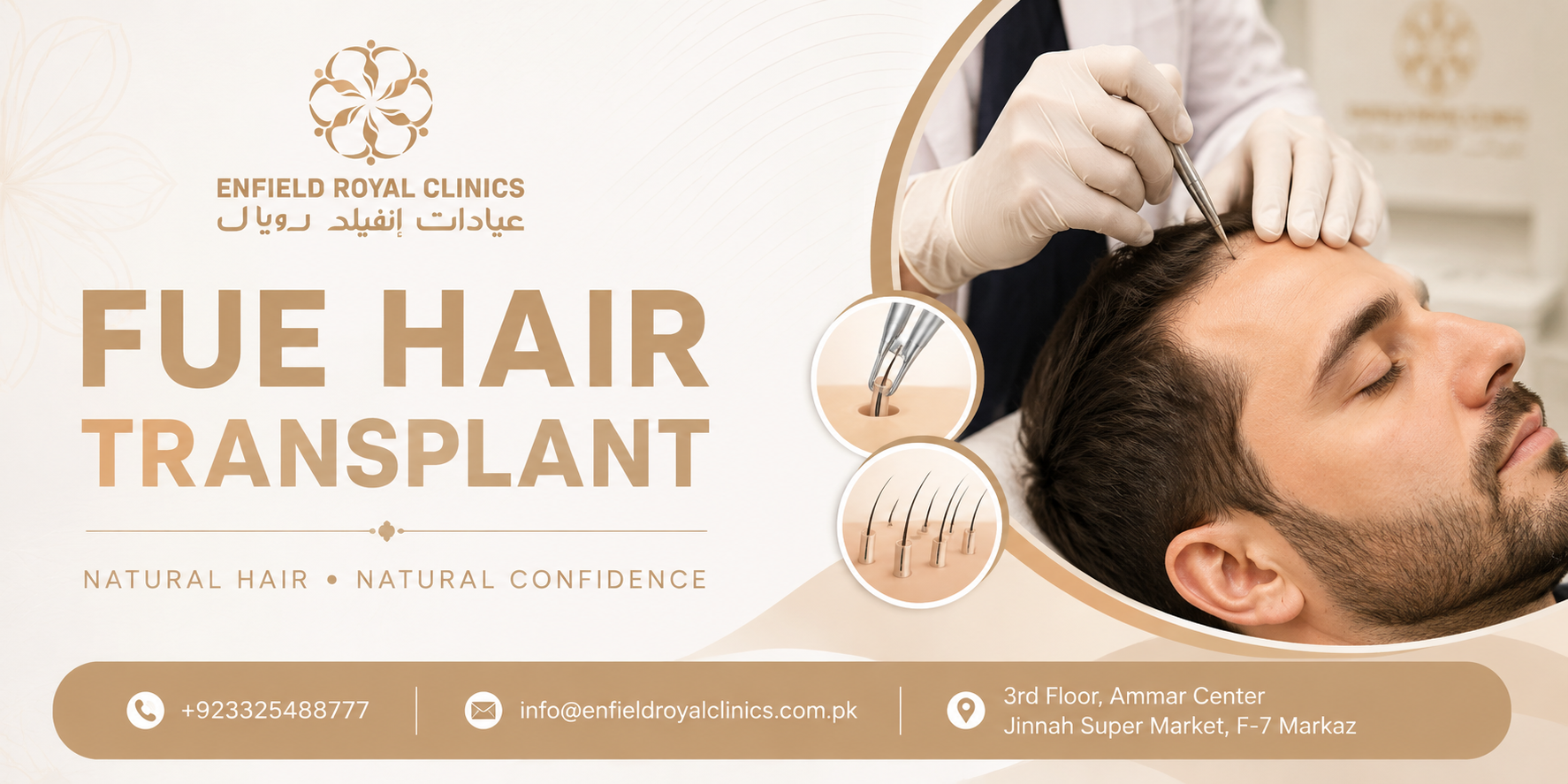
FUE (Follicular Unit Extraction) is a modern hair restoration technique that involves extracting individual hair follicles from a healthy donor area, usually the back or sides of the scalp, and transplanting them into areas affected by thinning or baldness.
Unlike traditional methods, FUE does not require removing a strip of scalp. This makes it a minimally invasive procedure with minimal visible scarring and a more comfortable recovery. The transplanted hair grows naturally because it comes from your own hair follicles.
Who Can Benefit from FUE Hair Transplant?
Many people with permanent hair loss may benefit from this procedure. It is commonly recommended for individuals who have healthy donor hair and want to restore natural hair growth.
You may be a suitable candidate if you:
- Have a receding hairline
- Experience thinning on the crown
- Have patchy hair loss caused by injury or scars
- Have stable male or female pattern hair loss
- Want a long-lasting solution instead of temporary treatments
A professional consultation is necessary to determine whether your hair loss pattern and scalp condition make you a good candidate.
Who May Not Be an Ideal Candidate?
Although FUE is highly effective, it is not suitable for everyone. Some individuals may need alternative treatments before considering a transplant.
You may not be the best candidate if you:
- Have insufficient donor hair
- Experience active or rapidly progressing hair loss
- Have certain scalp diseases or infections
- Have medical conditions that affect healing
- Expect unrealistic or immediate results
In such cases, a specialist may recommend managing the underlying condition before planning hair restoration.
What Factors Determine Eligibility?
A detailed assessment helps determine whether the procedure is appropriate for you. Specialists usually evaluate several important factors.
Donor Hair Availability
Healthy donor hair is essential because transplanted follicles come from this area. A strong donor region increases the likelihood of successful results.
Hair Loss Pattern
The cause and stability of hair loss are carefully assessed. Patients with stable hair loss patterns usually achieve more predictable long-term outcomes.
Overall Health
Good general health supports healing and recovery. During the consultation, your medical history and current medications will also be reviewed.
Expectations
Understanding what the procedure can realistically achieve is important. The goal is to improve hair density and create a natural appearance rather than restoring unlimited hair volume.
Benefits of FUE Hair Transplant
There are several reasons why many people choose FUE for hair restoration.
Natural-Looking Results
Because your own hair follicles are used, the transplanted hair blends naturally with your existing hair. Skilled follicle placement creates a realistic hairline and balanced density.
Minimal Scarring
Individual follicle extraction leaves tiny marks that usually become difficult to notice after healing. This allows greater flexibility with different hairstyles.
Long-Lasting Improvement
Transplanted follicles are generally resistant to the common causes of pattern hair loss. With proper care, they can continue growing for many years.
Personalized Treatment
Every treatment plan is customized according to the patient's hair loss pattern, facial features, and cosmetic goals.
What Should You Expect During Recovery?
Recovery after a FUE Hair Transplant is usually straightforward when patients follow professional aftercare instructions.
Temporary effects may include:
- Mild redness
- Slight swelling
- Small scabs
- Minor scalp sensitivity
These symptoms generally improve within the first few days or weeks. Following washing instructions, protecting the scalp from sunlight, and avoiding strenuous activity can support smooth healing.
When Will You See Results?
Hair restoration is a gradual process. Newly transplanted hairs often shed within the first few weeks, which is a normal part of the hair growth cycle.
New growth usually begins after several months. Hair continues becoming thicker and fuller over time, with noticeable improvement often appearing between six and twelve months. Final results may continue developing for up to 18 months.
Patience is important because hair grows naturally and requires time to mature.
Questions to Ask Before Choosing FUE
Before deciding on treatment, consider asking your specialist:
- Am I a suitable candidate?
- How many grafts will I need?
- What results can I realistically expect?
- What is the expected recovery process?
- How should I care for my scalp after treatment?
A detailed consultation provides answers to these questions and helps you make a confident decision.
Choosing an Experienced Hair Restoration Clinic
The success of a hair transplant depends not only on the procedure but also on the experience of the medical team. Choosing a reputable clinic with skilled professionals ensures proper planning, careful follicle handling, and natural-looking implantation.
An experienced specialist will design a treatment plan that matches your current hair loss while considering future changes to maintain a balanced appearance.
Conclusion
A FUE Hair Transplant can be an excellent option for people experiencing permanent hair loss who have healthy donor hair and realistic expectations. The procedure offers natural-looking results, minimal scarring, and long-lasting improvement, making it one of the most effective hair restoration techniques available.
The best way to determine whether FUE Hair Transplant is right for you is through a professional consultation. A personalized assessment of your hair loss pattern, scalp health, and treatment goals will help create a plan that delivers the most natural and satisfying results.



 English
 Arabic
 French
 Spanish
 Portuguese
 Deutsch
 Turkish
 Dutch
Dutch
 Italiano
 Russian
 Romaian
 Greek
Greek
 Bengali