


Breast Augmentation in Jeddah: Comprehensive Pre-Operative Preparation
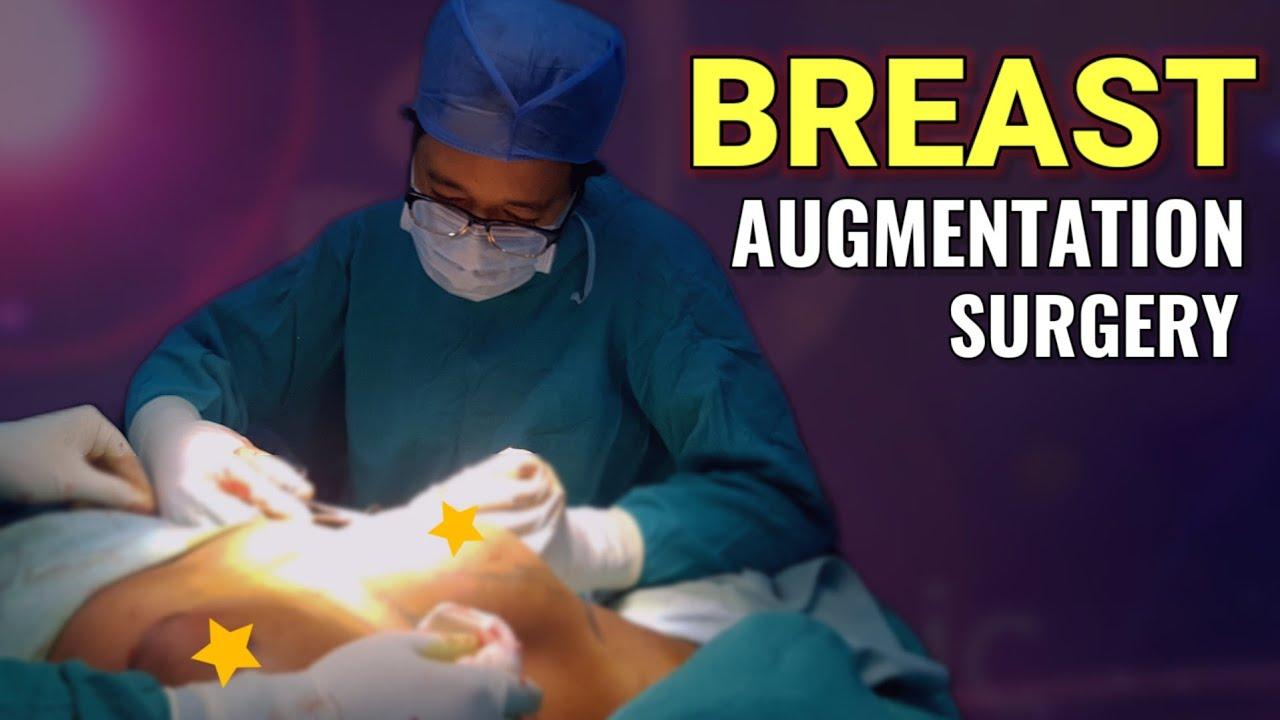
Breast Augmentation in Jeddah: Comprehensive Pre-Operative Preparation
breast augmentation in Jeddah is a transformative cosmetic procedure that requires careful preparation to ensure a smooth surgical experience, optimal healing, and beautiful, enduring results. Once your surgical plan, implant type, and placement plane have been finalized with your plastic surgeon, entering a structured pre-operative preparation phase is essential. Jeddah's leading aesthetic clinics provide patients with detailed, customized guidelines to prepare both the body and the home environment for surgery day.
Medical Clearances and Health Assessments
Before undergoing anesthesia and surgery, ensuring that your body is in optimal health is the highest priority for your surgical team.
-
Pre-Operative Lab Work: Standard blood panels and general health screenings are performed to confirm normal blood counts, clotting function, and overall metabolic health.
-
Diagnostic Imaging: Depending on your age and clinical background, baseline imaging such as a mammogram or breast ultrasound may be required prior to the procedure.
-
Anesthesia Consultation: A board-certified anesthesiologist reviews your medical history, airway structure, and past anesthetic experiences to plan the safest and most comfortable level of general anesthesia for your operation.
Medication and Supplement Adjustments
Certain medications and natural supplements can interfere with blood clotting and increase the risk of bruising or bleeding during and after surgery.
-
Avoiding Blood Thinners: Patients are typically instructed to discontinue aspirin, ibuprofen, naproxen, and other non-steroidal anti-inflammatory drugs (NSAIDs) for at least two weeks prior to surgery.
-
Reviewing Prescription Medications: Always provide your surgical team with a complete list of your current prescription drugs. Your surgeon will advise you on which medications to take on the morning of surgery with a small sip of water.
-
Stopping Herbal Supplements: Supplements such as vitamin E, garlic pills, ginkgo biloba, green tea extracts, and St. John's wort should be avoided for two weeks leading up to your procedure, as they can also impact bleeding times.
Lifestyle Modifications
Making specific lifestyle adjustments in the weeks preceding your surgery significantly enhances tissue healing and minimizes complication risks.
-
Mandatory Nicotine Cessation: Smoking or using any nicotine products (including e-cigarettes and vaping) must be stopped completely at least four to six weeks before and after surgery. Nicotine constricts blood vessels, drastically reduces blood flow to healing tissues, and can lead to delayed wound healing or tissue necrosis.
-
Hydration and Nutrition: Eating a balanced, nutrient-rich diet and maintaining proper hydration in the weeks leading up to surgery helps strengthen your immune system and supports rapid recovery.
-
Limiting Alcohol: Patients are advised to abstain from alcoholic beverages for at least 48 to 72 hours prior to surgery to prevent dehydration and interactions with medications.
Preparing Your Home Recovery Space
Setting up a comfortable, stress-free recovery environment at home before you leave for your procedure makes the first few days post-surgery significantly easier.
-
Resting Station: Set up a bed or reclining chair with an abundance of extra pillows so you can rest comfortably in an elevated position, which helps minimize initial swelling.
-
Accessible Essentials: Place items you will use frequently—such as water bottles, medications, your phone, remote controls, and reading materials—at waist height so you do not have to stretch or strain your chest muscles.
-
Clothing Preparation: Lay out loose-fitting, soft clothing that fastens in the front (such as button-down shirts or zip-up robes) to avoid having to lift your arms over your head while dressing during the first week.
Logistics and Surgery Day Readiness
Organizing the practical details of your surgery day ensures a calm, punctual, and well-supported experience.
-
Arrange a Responsible Escort: Because general anesthesia is used, you must arrange for a trusted family member or friend to drive you home from the surgical center and stay with you for the first 24 to 48 hours.
-
Fasting Guidelines: Strictly follow the fasting instructions provided by your surgical center—usually requiring no food or liquid after midnight the night before—to ensure safety during anesthesia administration.
-
What to Wear on Surgery Day: Wear comfortable, loose-fitting clothes and slip-on shoes. Leave all jewelry, piercings, and valuables at home.
Conclusion
Thorough pre-operative preparation is a collaborative commitment between you and your surgical team in Jeddah. By following medical guidelines carefully, adjusting lifestyle habits, and preparing your home environment in advance, you lay the strongest possible foundation for a safe, comfortable, and successful surgical journey.

 Arabic
 French
 Spanish
 Portuguese
 Deutsch
 Turkish
 Dutch
Dutch
 Italiano
 Russian
 Romaian
 Portuguese (Brazil)
 Greek
Greek
 Bengali