


Mid-Century Modern Furniture 101: Key Characteristics, Wood Types, and Why It Never Goes Out of Style
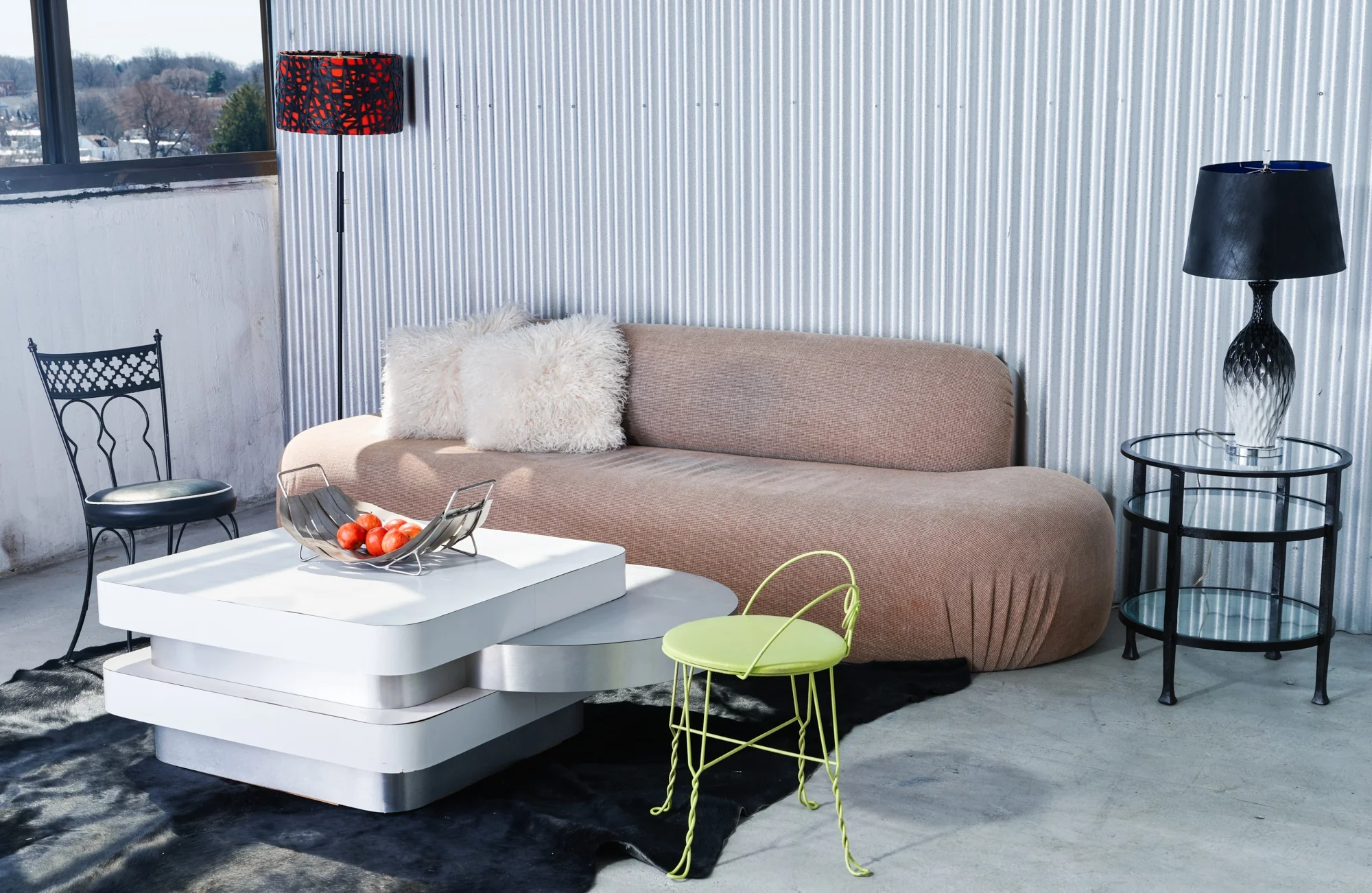
Mid-century modern furniture has become one of the most recognizable and enduring design styles in the world of interiors. From stylish urban apartments to spacious family homes, this timeless furniture style continues to capture attention because of its balance between beauty and practicality. Characterized by clean lines, organic forms, and functional craftsmanship, it offers an aesthetic that feels just as relevant today as it did decades ago. Whether you are redesigning an entire home or searching for a single statement piece, understanding this design movement can help you make confident and lasting choices.
The growing appreciation for quality craftsmanship and sustainable living has also contributed to the popularity of mid-century modern furniture. Unlike fast furniture that often follows temporary trends, authentic mid-century-inspired pieces are built to last while maintaining a sophisticated appearance. Their versatility allows them to blend seamlessly with both contemporary and traditional interiors. As a result, homeowners, interior designers, and collectors continue to invest in this iconic style for its durability, elegance, and timeless appeal.
This guide explores everything you need to know about mid-century modern furniture including its defining characteristics, the best wood types used in its construction, and the reasons it continues to influence modern interior design. You'll also discover how mid-century modern decor complements these furniture pieces and learn practical tips for incorporating the style into your own living spaces. By understanding its design principles, you'll be better equipped to choose furniture that remains stylish for generations.
Understanding the Origins of Mid-Century Modern Furniture
Mid-century modern furniture emerged during the mid-20th century, roughly between the 1940s and the late 1960s. This period followed World War II, when architects and designers sought practical solutions for changing lifestyles and growing suburban communities. Furniture needed to be functional, affordable, and visually appealing while fitting comfortably into smaller homes. These priorities shaped a design movement that valued simplicity over unnecessary decoration.
The influence of Scandinavian design, German Bauhaus principles, and American innovation played a significant role in the development of this furniture style. Designers emphasized clean silhouettes, natural materials, and efficient construction techniques. Rather than focusing on elaborate carvings or heavy ornamentation, they believed every element should serve a practical purpose. This philosophy resulted in furniture that combined beauty with everyday usability.
Technological advancements also transformed furniture manufacturing during this era. Molded plywood, fiberglass, steel, and innovative woodworking methods allowed designers to experiment with shapes and structures that were previously impossible to create. Despite these innovations, natural hardwoods remained central to many designs, giving furniture warmth and timeless character. This combination of craftsmanship and technology became a defining feature of the movement.
Today, the influence of this design philosophy extends well beyond vintage collections. Manufacturers around the world continue producing furniture inspired by mid-century originals because consumers appreciate its practicality, elegance, and enduring style. The movement remains one of the strongest influences in modern residential and commercial interior design.
Key Characteristics That Define Mid-Century Modern Furniture
One of the most recognizable features of mid-century modern furniture is its clean and uncluttered appearance. Furniture pieces avoid excessive decoration, allowing simple forms and balanced proportions to become the primary focus. Straight lines are often softened by gentle curves, creating designs that feel both structured and inviting. This visual simplicity helps furniture complement a wide range of interior styles.
Another defining characteristic is functionality. Every chair, table, cabinet, or sofa is designed with everyday comfort and practicality in mind. Designers believed beautiful furniture should also improve daily living by offering comfort, efficient storage, and thoughtful proportions. This philosophy explains why many pieces remain highly functional even decades after they were originally designed.
Light, airy construction also distinguishes this furniture style from earlier design movements. Tapered wooden legs, slim frames, and elevated seating create an open appearance that makes rooms feel larger and less crowded. These design elements work particularly well in both compact apartments and spacious homes, contributing to the versatility of the style.
Natural materials further enhance the timeless appeal of mid-century modern furniture. Wood, leather, linen, wool, and metal are commonly combined to create elegant contrast while maintaining visual harmony. These materials not only improve durability but also add warmth and texture that make interiors feel comfortable and welcoming.
Popular Wood Types Used in Mid-Century Modern Furniture
Wood selection plays a crucial role in the quality, appearance, and longevity of mid-century modern furniture. Among the most popular choices is walnut, admired for its rich brown tones, striking grain patterns, and exceptional durability. Walnut furniture develops a beautiful patina over time, making it one of the most sought-after materials for collectors and homeowners alike.
Teak is another signature wood associated with this design movement. Naturally resistant to moisture and insects, teak offers excellent durability while displaying warm golden-brown coloring that matures gracefully with age. Its smooth texture and distinctive grain make it ideal for dining tables, sideboards, coffee tables, and outdoor furniture. Many authentic vintage pieces feature teak because of its remarkable strength and beauty.
Oak also became widely used during the mid-century period because of its reliability and natural character. Both white oak and red oak provide strong structural support while offering attractive grain patterns suitable for minimalist furniture designs. Oak's versatility allows it to complement a wide variety of interior styles without appearing outdated.
Rosewood, maple, and birch occasionally appeared in premium furniture collections as well. Rosewood offered dramatic grain and luxurious appearance, while maple and birch provided lighter color options that suited Scandinavian-inspired interiors. The careful selection of hardwoods remains one of the reasons authentic mid-century furniture continues to maintain its value today.
Why Quality Craftsmanship Matters
One reason mid-century modern furniture has survived for generations is its exceptional craftsmanship. Skilled artisans focused on creating furniture that would remain functional and attractive for decades rather than just a few years. Strong joinery techniques, carefully finished surfaces, and attention to structural integrity resulted in furniture capable of withstanding everyday use while preserving its original beauty.
Many authentic vintage pieces feature dovetail joints, mortise-and-tenon construction, and solid hardwood frames instead of inexpensive particleboard or plastic components. These traditional woodworking methods increase durability while demonstrating the expertise of the craftsmen who built each piece. Even after decades of use, well-maintained furniture often remains structurally sound.
Designers also believed quality extended beyond construction to include comfort and usability. Chairs were carefully shaped to support the body, tables were proportioned for practical living, and storage units maximized organization without unnecessary bulk. Every detail reflected thoughtful design intended to improve the homeowner's daily experience.
Modern manufacturers producing high-quality reproductions often follow these same principles by using premium materials and precision manufacturing. While production methods have evolved, the commitment to craftsmanship continues to define furniture inspired by this iconic design movement.
How Mid-Century Modern Decor Complements Every Interior
The flexibility of mid-century modern decor is one of the primary reasons it remains popular across different generations. Its neutral color palette, natural materials, and understated elegance allow it to blend effortlessly with contemporary, industrial, Scandinavian, minimalist, and even traditional homes. Rather than dominating a room, the furniture enhances the surrounding architecture and décor.
Color plays an important role in achieving this balanced aesthetic. Warm wood tones pair beautifully with soft whites, earthy greens, charcoal grays, muted blues, and subtle mustard accents. These combinations create inviting spaces that feel sophisticated without becoming overwhelming. Carefully selected textiles and accessories further enhance the warmth of the overall design.
Lighting also contributes significantly to mid-century modern decor. Floor lamps with sculptural forms, globe pendant lights, and simple brass fixtures complement furniture without distracting from its clean lines. Proper lighting highlights the natural beauty of wood grain while adding visual interest throughout the room.
Decorative accessories should remain minimal yet meaningful. Indoor plants, abstract artwork, ceramic vases, woven rugs, and geometric patterns reinforce the design philosophy without creating clutter. This restrained approach allows furniture to remain the focal point while maintaining a comfortable and welcoming atmosphere.
Practical Tips for Choosing the Right Furniture
Before purchasing mid-century modern furniture, evaluate the size and layout of your living space. Carefully measuring rooms ensures furniture fits comfortably without making areas feel crowded. Since this design style emphasizes openness, maintaining adequate space between furniture pieces contributes significantly to the overall aesthetic.
Prioritize quality materials over quantity when building your collection. Investing in a well-crafted dining table, sofa, or storage cabinet often provides better long-term value than purchasing multiple lower-quality items. Solid hardwood construction, durable upholstery, and reliable hardware should always receive careful consideration before making a purchase.
Consider how new furniture will interact with your existing décor. One advantage of mid-century modern furniture is its ability to integrate with many interior styles. Mixing vintage-inspired pieces with contemporary artwork, modern lighting, or traditional architectural features creates unique interiors that reflect personal taste while preserving timeless elegance.
Finally, purchase furniture from reputable retailers or experienced vintage dealers whenever possible. Authentic craftsmanship, accurate product information, and reliable warranties provide greater confidence in your investment. Careful research helps ensure you receive furniture that offers both beauty and lasting performance.
Why This Style Never Goes Out of Fashion
Unlike many interior trends that fade after a few years, mid-century modern furniture continues attracting new generations of homeowners because it prioritizes timeless design over temporary fashion. Clean silhouettes, balanced proportions, and natural materials remain visually appealing regardless of changing decorating preferences. These qualities allow furniture to evolve alongside modern lifestyles without losing relevance.
The movement also aligns with today's growing focus on sustainability. Durable furniture reduces waste by remaining useful for decades instead of requiring frequent replacement. Vintage pieces receive renewed appreciation because they demonstrate how quality craftsmanship can outperform disposable alternatives. This emphasis on longevity supports environmentally responsible purchasing decisions.
Another reason for its lasting popularity is exceptional versatility. Whether furnishing a city apartment, suburban home, luxury residence, or professional office, mid-century modern furniture adapts easily to different environments. Its ability to complement various architectural styles ensures it remains practical regardless of changing design trends.
Social media, design publications, and home renovation programs have further introduced this iconic style to younger audiences. As more people discover the beauty of functional design and handcrafted quality, demand continues growing for furniture inspired by one of history's most influential design movements.
Caring for Mid-Century Modern Furniture
Proper maintenance helps preserve the beauty and value of mid-century modern furniture for many years. Dust wooden surfaces regularly using a soft microfiber cloth to prevent dirt from scratching delicate finishes. Gentle cleaning products specifically designed for hardwood furniture should replace harsh chemical cleaners that may damage protective coatings.
Protect furniture from prolonged exposure to direct sunlight, excessive humidity, and rapid temperature changes. These environmental factors may gradually affect wood color, structural stability, or upholstery materials. Curtains, climate control, and protective furniture pads help minimize unnecessary wear over time.
Leather seating benefits from occasional conditioning to maintain softness and prevent cracking. Fabric upholstery should be vacuumed regularly and cleaned promptly if spills occur. Routine care significantly extends the lifespan of both vintage originals and modern reproductions while preserving their visual appeal.
Inspect furniture periodically for loose joints, worn hardware, or minor scratches that could develop into larger problems. Addressing small maintenance issues early helps avoid expensive repairs and ensures your furniture continues performing beautifully for generations.
Conclusion
Mid-century modern furniture remains one of the most celebrated interior design styles because it perfectly combines timeless aesthetics, outstanding craftsmanship, and practical functionality. Its clean lines, premium hardwoods, thoughtful proportions, and versatile design principles have allowed it to remain relevant for more than half a century. Whether you're decorating a new home or expanding an existing collection, understanding these defining characteristics helps you make informed purchasing decisions.
The enduring popularity of this movement also reflects its adaptability to changing lifestyles and interior trends. Combined with carefully selected mid-century modern decor, quality furniture creates warm, elegant spaces that balance comfort with sophistication. By investing in well-crafted pieces and maintaining them properly, homeowners can enjoy furniture that delivers lasting beauty, exceptional performance, and timeless style for many years to come.

 Arabic
 French
 Spanish
 Portuguese
 Deutsch
 Turkish
 Dutch
Dutch
 Italiano
 Russian
 Romaian
 Portuguese (Brazil)
 Greek
Greek
 Bengali