


Tattoo Removal in Jeddah: The Critical Role of Laser Wavelengths in Pigment Clearance
Tattoo Removal in Jeddah: The Critical Role of Laser Wavelengths in Pigment Clearance
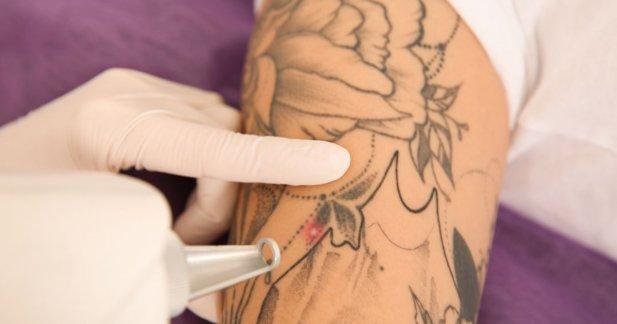
The ultimate success of tattoo removal in Jeddah relies heavily on the precise science of optical physics and color theory. Because different tattoo pigments absorb light at varying rates, dermatological specialists must carefully select specific laser wavelengths to target individual ink colors without damaging the surrounding tissue.
The Physics of Light Absorption and Nanometers
Laser technology operates by emitting specific wavelengths of light, measured in nanometers (nm). Each wavelength is absorbed by specific color spectrums, meaning that using the correct setting is essential to effectively shatter the targeted ink particles.
Matching Wavelengths to Ink Colors
-
The 1064 nm Wavelength: This setting penetrates deepest into the dermal layers and is the gold standard for safely treating black, dark blue, and dark grey pigments, particularly on individuals with darker skin tones.
-
The 532 nm Wavelength: Operating at a shallower penetration depth, this wavelength is specifically calibrated to target warm hues such as red, orange, yellow, and brown inks.
-
Specialized Wavelengths (694 nm and 755 nm): Resistant pigments such as bright green, light blue, and purple require these specialized secondary wavelengths to achieve effective fragmentation.
The Complexity of Multi-Colored and Layered Tattoos
Many professional tattoos feature intricate designs created by blending primary colors or layering new ink directly over older body art. When a laser pulse strikes a blended pigment, certain colors shatter immediately while others reflect or absorb the energy differently. This often necessitates alternating between different handpieces and wavelengths across a multi-stage treatment plan to ensure uniform fading of every component within the design.
Protecting Surrounding Skin Tissues
Advanced laser calibration does more than just break down ink; it actively protects the surrounding dermal structures from excessive thermal damage.
Minimizing Thermal Dispersion
By utilizing ultra-short pulse durations—such as those delivered by picosecond technology—practitioners minimize the amount of heat transferred to non-target tissues. This precision prevents thermal burns, reduces the risk of scarring, and ensures that the natural melanin in the skin is preserved.
Customizing Protocols for Individual Profiles
Every tattoo presents a unique combination of depth, ink density, and color composition. Conducting a thorough initial assessment allows specialists to map out a precise wavelength sequence tailored to the patient's specific skin type and tattoo characteristics.
Maintaining Long-Term Skin Health
Achieving a clean, unblemished canvas requires patience and adherence to clinical guidelines throughout the multi-session removal process.
Supporting Cellular Recovery
Between appointments, the skin relies on natural cellular turnover and robust lymphatic circulation to clear away the microscopic ink debris shattered by the laser. Patients support this recovery phase by maintaining adequate hydration, avoiding chemical irritants, and protecting the skin from UV exposure.
By combining advanced optical technology with expert clinical precision, individuals undergoing tattoo removal in Jeddah can safely and effectively restore their skin to its natural, healthy state.

 Arabic
 French
 Spanish
 Portuguese
 Deutsch
 Turkish
 Dutch
Dutch
 Italiano
 Russian
 Romaian
 Portuguese (Brazil)
 Greek
Greek
 Bengali