


Comprehensive Guide to PRP Hair Treatment in Jeddah: Safety Profile, Side Effects, and Clinical Protocols
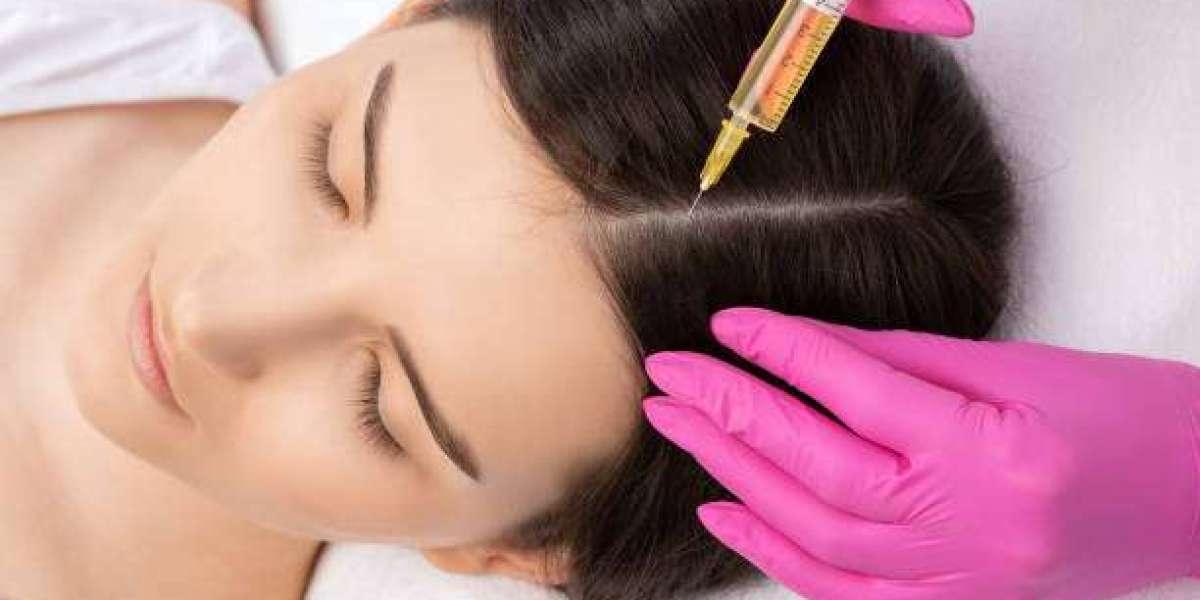
Comprehensive Guide to PRP Hair Treatment in Jeddah: Safety Profile, Side Effects, and Clinical Protocols
When considering any medical aesthetic procedure, understanding the safety profile is just as important as evaluating the potential benefits. For individuals exploring prp hair in jeddah, Platelet-Rich Plasma therapy stands out for its exceptionally high safety margin. Because the treatment utilizes the patient's own autologous blood, the risk of allergic reactions or adverse immune rejections is virtually eliminated. However, because the procedure involves clinical micro-injections, understanding normal temporary side effects and strict medical safety protocols ensures a secure and transparent experience. This guide explores the safety mechanisms, minor transient reactions, and clinical standards associated with PRP therapy.
The Autologous Advantage: Why PRP Is Inherently Safe
One of the primary reasons regenerative plasma therapy has gained widespread clinical popularity is its biological compatibility. In traditional pharmacology, introducing foreign substances, synthetic chemicals, or donor tissues always carries a risk of adverse immune responses, hypersensitivity, or allergic reactions.
In contrast, PRP relies entirely on autologous material—meaning the substance harvested and reintroduced into the body originates from the patient themselves. Once the blood is drawn and separated via centrifugation, the golden plasma containing concentrated platelets is returned to the exact same individual. This eliminates risks such as:
-
Allergic Hypersensitivity: No synthetic compounds or foreign antigens are introduced into the body.
-
Immune Rejection: The body recognizes its own biological proteins and platelets, preventing inflammatory immune rejection.
-
Cross-Contamination Risks: Utilizing dedicated, sterile, single-use collection systems ensures complete isolation from outside biological agents.
Normal Transient Side Effects Following Treatment
While the procedure is exceptionally safe, the mechanical act of delivering micro-injections across the scalp naturally triggers a mild, localized healing response. Patients can expect a few minor, temporary side effects that typically resolve within 24 to 48 hours:
-
Mild Scalp Tenderness: A feeling of tightness or mild soreness across the treated areas, comparable to a mild sunburn sensation, is normal as the micro-puncture sites begin to close.
-
Localized Erythema (Redness): The scalp skin may appear pink or flushed immediately following the session due to increased localized blood flow and micro-trauma. This fades rapidly within a day.
-
Temporary Edema (Swelling): When treating the frontal hairline or temples, mild swelling can occasionally migrate down toward the forehead. This is a normal physiological reaction to fluid injection and subsides quickly without intervention.
-
Pinpoint Bruising: Minor bruising at specific needle insertion sites may occur, particularly in individuals with fragile capillaries, but these blemishes are easily concealed by existing hair and resolve within a few days.
Clinical Sterility and Infection Control Standards
Maintaining absolute sterility throughout every stage of the procedure is critical to ensuring patient safety. Professional medical clinics adhere to rigorous infection control protocols:
-
Single-Use Sterile Equipment: Needles, syringes, extraction pipettes, and collection tubes are strictly single-use, sterile, and disposed of immediately after the procedure.
-
Closed-System Centrifugation: Advanced medical centrifuges utilize sealed processing tubes that protect the harvested blood from exposure to ambient air and airborne contaminants during the separation phase.
-
Aseptic Scalp Preparation: Before any micro-injections begin, the scalp is meticulously cleansed with medical-grade antiseptic solutions to eliminate surface bacteria and reduce the risk of follicular irritation.
Medical Contraindications: When PRP Is Postponed
To maintain strict safety standards, practitioners evaluate each patient's medical history to screen for conditions that could impact platelet function or healing. PRP therapy may be temporarily postponed or deemed unsuitable for individuals with:
-
Active Systemic Infections: Any ongoing systemic illness or localized scalp infection must be fully resolved before undergoing regenerative treatments.
-
Severe Platelet Function Disorders: Conditions such as critical thrombocytopenia or chronic blood dyscrasias that impair clotting and platelet release mechanisms.
-
Active Malignancies: Patients undergoing active treatment for blood-related cancers or systemic malignancies are generally disqualified from autologous growth factor therapies.
Conclusion: Peace of Mind Through Medical Expertise
Undergoing prp hair in jeddah offers a secure, scientifically validated pathway to hair restoration, backed by an exceptional safety profile. By utilizing the body's own biological healing mechanisms, adhering to strict clinical sterilization protocols, and understanding normal recovery expectations, patients can approach their treatments with absolute confidence. Consulting with a qualified, experienced medical professional ensures that your procedure is performed under optimal clinical standards, prioritizing your health, safety, and natural restorative results.

 Arabic
 French
 Spanish
 Portuguese
 Deutsch
 Turkish
 Dutch
Dutch
 Italiano
 Russian
 Romaian
 Portuguese (Brazil)
 Greek
Greek
 Bengali