


Marine HVAC Market – Key Trends & Innovations: Electrification, Smart Controls, and Eco-Friendly Refrigerants Reshape the Industry
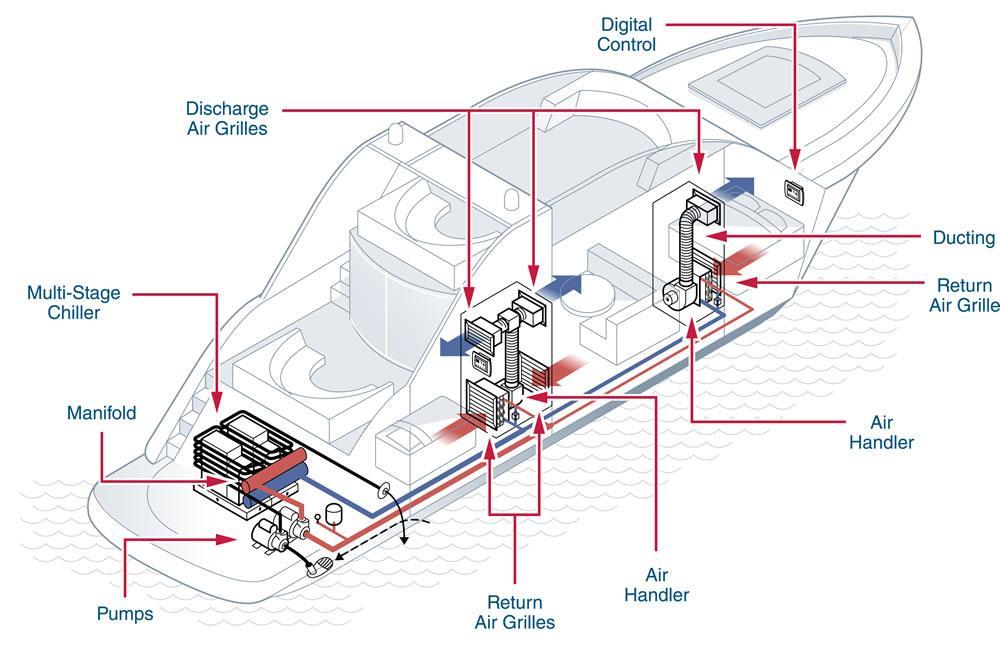
The Marine HVAC market is undergoing a profound technological evolution, driven by the dual imperatives of sustainability and operational efficiency. According to an in-depth Marine HVAC industry analysis, the sector is witnessing a decisive shift away from traditional diesel-powered systems toward electric and hybrid solutions, propelled by the electrification of ships (e.g., battery-hybrid vessels) . This transition is being accelerated by the integration of smart, IoT-enabled controls and the adoption of low-global-warming-potential (GWP) refrigerants. These innovations are not just incremental improvements but are fundamentally reshaping how climate control is managed on board, making it more efficient, intelligent, and environmentally responsible.
Market Dynamics
Electrification and Hybrid Power Sources
One of the most significant trends in the Marine HVAC market is the shift from diesel-powered systems to electric-powered and hybrid systems . This is being driven by the maritime industry's push for decarbonization and the increasing availability of shore power and battery technology. Electric-powered HVAC systems are the fastest-growing segment in power source, as they reduce onboard emissions, lower noise pollution, and offer greater operational efficiency, particularly for vessels operating in emission-controlled areas . Hybrid systems, which combine electric power with other sources, are also gaining popularity as a flexible transitional solution.
Integration of Smart Controls and IoT
The digitalization of shipping is a key trend, with the integration of smart controls and IoT becoming a standard feature in new marine HVAC systems. These systems enable real-time monitoring, remote diagnostics, and predictive maintenance, significantly reducing the risk of system failure and optimizing energy consumption . As highlighted in industry reports, the demand for automated, intelligent HVAC solutions is increasing as shipowners seek to leverage data to enhance operational uptime and crew comfort . This trend towards "smart ships" is making HVAC a central component of the vessel's overall digital architecture.
Adoption of Eco-Friendly Refrigerants
Stringent international regulations, such as the EU F-gas Regulation and the Kigali Amendment to the Montreal Protocol, are forcing a transition from high-GWP refrigerants (like R-404A) to more environmentally friendly alternatives . This includes the adoption of low-GWP HFOs (hydrofluoroolefins), natural refrigerants like CO2 and ammonia, and other sustainable options. This shift requires significant investment in R&D to design systems that are compatible with these new refrigerants, which often have different operating pressures and efficiencies. This trend is a major driver of innovation in system design and component technology.
Focus on Energy-Efficient and Modular Designs
The development of more energy-efficient and modular HVAC systems is a critical innovation trend. Manufacturers are focusing on compact, lightweight designs that maximize performance while minimizing the space required onboard, a crucial factor in vessel design . Energy recovery systems, such as heat pumps that can provide both heating and cooling, are becoming more prevalent . Furthermore, modular systems offer greater flexibility, allowing shipowners to scale and adapt the HVAC setup to specific vessel types and operational needs, making them ideal for both new builds and complex retrofitting projects .
Retrofitting Existing Vessels
The trend of retrofitting existing vessels with modern HVAC solutions is a significant driver of market growth . As regulations tighten and fuel costs remain high, shipowners are increasingly investing in upgrading their fleets. Retrofitting provides a cost-effective way to comply with new environmental standards, improve energy efficiency, and enhance passenger comfort compared to building entirely new ships. This trend is particularly strong in segments like passenger ferries and older cargo vessels, where the ROI of upgrading can be substantial. According to industry data, retrofitting opportunities represent a major growth area for HVAC service providers .
Regional Outlook
The adoption of these trends varies by region. Europe is at the forefront, driven by the EU's aggressive environmental policies and its role in setting global maritime standards . North America is a significant market for retrofitting and smart control integration, particularly for its large fleet of passenger and military vessels . Asia-Pacific is leading in the adoption of new, electric-powered systems, as the region is the primary builder of new vessels and is rapidly adopting the latest technologies . In all regions, the focus on sustainability and digitalization is the common denominator shaping the future of marine HVAC.
Competitive Landscape
Competitive dynamics are increasingly defined by a company's ability to innovate and adapt to these trends. Key players like Carrier, Daikin, and Johnson Controls are investing heavily in developing electric-powered systems, low-GWP refrigerant technologies, and smart, IoT-integrated platforms . Companies like Wärtsilä and Siemens are integrating HVAC into broader vessel energy management systems. The competitive landscape is seeing a shift from pure component suppliers to solution providers that offer comprehensive, integrated, and intelligent climate control systems. Companies that can demonstrate a commitment to sustainability and digital innovation are best positioned to succeed.
Conclusion
The Marine HVAC market is being reshaped by a powerful wave of innovation, with electrification, smart controls, and sustainable refrigerants at its core. These trends are not just about compliance but are creating new opportunities for efficiency, cost savings, and enhanced passenger experiences. The future of marine HVAC lies in intelligent, integrated systems that are as environmentally friendly as they are operationally effective.
FAQs
1. What are the key technological trends in the Marine HVAC market?
Key trends include the shift to electric-powered systems, integration of IoT and smart controls, adoption of low-GWP refrigerants, and a focus on energy-efficient, modular designs .
2. Why is retrofitting existing vessels a major trend?
Retrofitting is driven by the need to comply with stricter environmental regulations and improve energy efficiency, offering a cost-effective way to modernize fleets and extend their operational life .

 Arabic
 French
 Spanish
 Portuguese
 Deutsch
 Turkish
 Dutch
Dutch
 Italiano
 Russian
 Romaian
 Portuguese (Brazil)
 Greek
Greek
 Bengali