


Hope for Patients: Breakthroughs in Gastrointestinal Disease Treatment
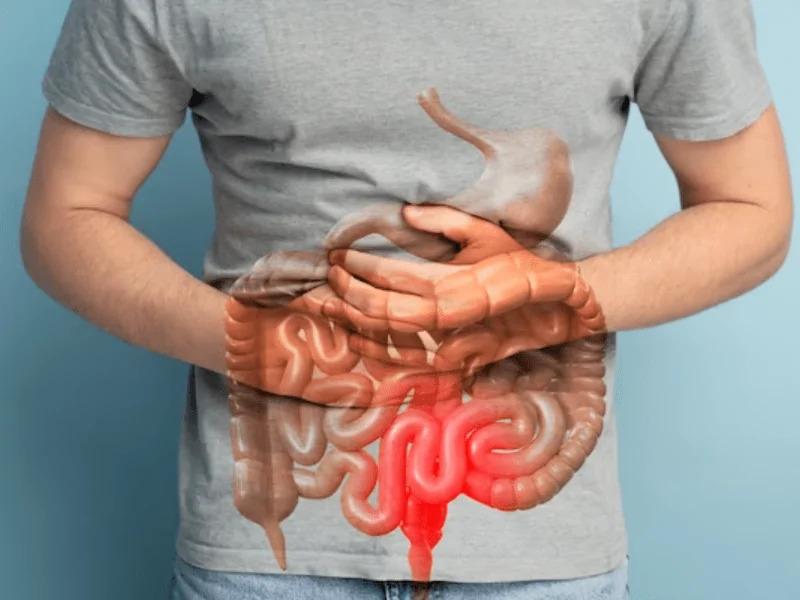
Gastrointestinal (GI) diseases are among the most common health problems affecting people of all ages. The gastrointestinal tract includes the mouth, esophagus, stomach, small intestine, large intestine, rectum, and anus. These organs work together to digest food, absorb nutrients, and eliminate waste. When any part of this system becomes affected by disease, it can cause discomfort, pain, and serious health complications. Although there is no single cure for all gastrointestinal diseases, many conditions can be effectively treated, managed, or even completely cured with proper medical care, lifestyle changes, and healthy dietary habits.
The causes of gastrointestinal diseases vary widely. They may result from bacterial or viral infections, poor dietary habits, food allergies, chronic inflammation, stress, genetic factors, or autoimmune disorders. Common gastrointestinal diseases include gastroenteritis, acid reflux (GERD), peptic ulcers, irritable bowel syndrome (IBS), inflammatory bowel disease (IBD), celiac disease, and constipation. Each condition requires a specific treatment plan based on its underlying cause and severity.
The first step toward curing or managing gastrointestinal disease is obtaining an accurate diagnosis. Healthcare providers may recommend blood tests, stool tests, imaging studies, endoscopy, or colonoscopy to identify the exact cause of symptoms. Once the diagnosis is confirmed, treatment can begin promptly, increasing the chances of recovery and reducing the risk of complications.
Medications play a vital role in treating gastrointestinal diseases. Antibiotics are commonly prescribed for bacterial infections such as Helicobacter pylori, a bacterium that can cause stomach ulcers. Proton pump inhibitors (PPIs) and H2 blockers reduce stomach acid and help heal acid reflux and ulcers. Anti-inflammatory medications and immune-modifying drugs are often used to manage inflammatory bowel diseases such as Crohn's disease and ulcerative colitis. Antidiarrheal medicines, laxatives, and antispasmodics may also help relieve specific digestive symptoms. It is important to use medications only under the guidance of a qualified healthcare professional.
A healthy diet is one of the most effective ways to improve gastrointestinal health. Eating a balanced diet rich in fruits, vegetables, whole grains, lean proteins, and healthy fats supports proper digestion and promotes a healthy gut. Fiber-rich foods help prevent constipation and encourage regular bowel movements. Drinking plenty of water also supports digestion and keeps the digestive tract functioning efficiently. People with food intolerances or conditions such as celiac disease should avoid foods that trigger symptoms, such as gluten-containing products. Similarly, limiting spicy foods, fried foods, alcohol, and excessive caffeine may reduce acid reflux and stomach irritation.
Probiotics and prebiotics can also contribute to better digestive health. Probiotics are beneficial bacteria that help maintain a balanced gut microbiome, while prebiotics provide nourishment for these healthy bacteria. Foods such as yogurt, kefir, fermented vegetables, bananas, garlic, onions, and oats can support a healthy digestive system. In some cases, healthcare providers may recommend probiotic supplements to restore gut bacteria after antibiotic treatment or digestive illness.
Lifestyle modifications are equally important in managing gastrointestinal diseases. Regular physical activity improves digestion, reduces constipation, and supports overall health. Managing stress through relaxation techniques, meditation, yoga, or regular exercise may also reduce digestive symptoms, especially in conditions like irritable bowel syndrome. Maintaining a healthy weight and avoiding smoking can further reduce the risk of developing digestive disorders.
Some gastrointestinal diseases may require surgical treatment when medications and lifestyle changes are not sufficient. Surgery may be necessary for severe inflammatory bowel disease, certain cancers, bowel obstructions, gallbladder disease, or complications such as perforated ulcers. Advances in minimally invasive surgical techniques have improved recovery times and treatment outcomes for many patients.
Preventing gastrointestinal disease is often easier than treating it. Practicing good hygiene, washing hands regularly, consuming properly cooked food, drinking clean water, and following safe food handling practices can reduce the risk of digestive infections. Routine medical checkups and recommended screenings, especially colon cancer screening for eligible adults, can help detect diseases at an early stage when treatment is most effective.
In conclusion, the cure for gastrointestinal disease depends on the specific condition affecting the digestive system. While some illnesses can be completely cured with medication or treatment, others require long-term management through healthy eating, medication, and lifestyle changes. Early diagnosis, professional medical care, balanced nutrition, regular exercise, and preventive measures are the keys to maintaining a healthy digestive system. Anyone experiencing persistent digestive symptoms such as abdominal pain, prolonged diarrhea, unexplained weight loss, blood in the stool, or difficulty swallowing should seek prompt medical evaluation to receive appropriate treatment and prevent serious complications.

 Arabic
 French
 Spanish
 Portuguese
 Deutsch
 Turkish
 Dutch
Dutch
 Italiano
 Russian
 Romaian
 Portuguese (Brazil)
 Greek
Greek
 Bengali