


The Ultimate Connection: An Introduction to the Brain Computer Interface
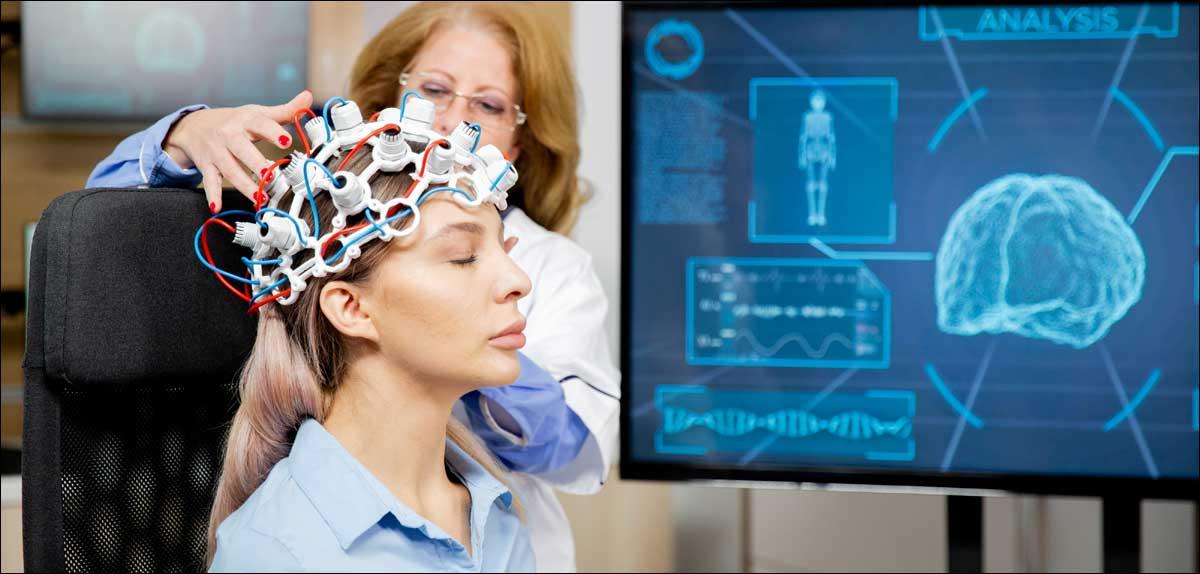
At the absolute frontier of human-machine interaction lies a technology that was once the exclusive domain of science fiction: the Brain Computer Interface (BCI). A BCI is a direct communication pathway between the brain's electrical activity and an external device, most commonly a computer or a robotic limb. This revolutionary technology works by acquiring brain signals, analyzing them to detect the user's intent, and translating that intent into a command for the output device. This can be achieved through non-invasive methods, such as wearing an EEG (electroencephalography) cap that reads brainwaves from the scalp, or through more invasive methods that involve surgically implanted electrodes. By creating a direct link between thought and action, BCI is offering new hope for individuals with severe motor disabilities and is paving the way for a future of augmented human capability.
This groundbreaking technology is the foundation of a rapidly emerging and highly valuable market. The brain computer interface industry is on a clear and powerful growth trajectory, with its market size expected to expand to an impressive USD 4.07 billion by the year 2035. This substantial growth will be supported by a robust and sustained compound annual growth rate (CAGR) of 7.80% during the 2025-2035 forecast period. This financial momentum is a direct reflection of the immense potential of BCI to address unmet medical needs and to unlock new forms of human-computer interaction. The significant and growing investment from both government research agencies and a new wave of high-profile private companies signals a strong belief in the technology's transformative future.
The primary benefit and initial focus of BCI technology have been in the medical and assistive technology fields. For individuals who have been paralyzed by spinal cord injuries, strokes, or conditions like ALS, BCI offers a revolutionary new way to communicate and to interact with the world. By simply thinking, users can control a cursor on a screen to type messages, browse the internet, or control smart home devices, restoring a critical degree of autonomy and connection. In recent years, there have been incredible breakthroughs in using BCI to control advanced prosthetic limbs, allowing amputees to control a robotic hand with a level of dexterity and intuition that was previously unimaginable, directly translating thought into movement.
Looking ahead, the future of the BCI extends far beyond its medical applications. Researchers and companies are actively exploring a wide range of potential use cases for able-bodied individuals. In the world of gaming and virtual reality, BCI could enable a new level of immersive control where players can manipulate the virtual world directly with their minds. In the workplace, BCI could be used to monitor cognitive load and attention to create more productive and less fatiguing work environments. While the ethical and societal implications of these future applications are complex and will require careful consideration, the long-term potential for BCI to fundamentally augment human capabilities and to redefine our relationship with technology is immense.
Explore Our Latest Trending Reports:
Indonesia Cloud Analytics Market

 Arabic
 French
 Spanish
 Portuguese
 Deutsch
 Turkish
 Dutch
Dutch
 Italiano
 Russian
 Romaian
 Portuguese (Brazil)
 Greek
Greek
 Bengali