


Secret Tactics For White Label Fitness Content Marketing
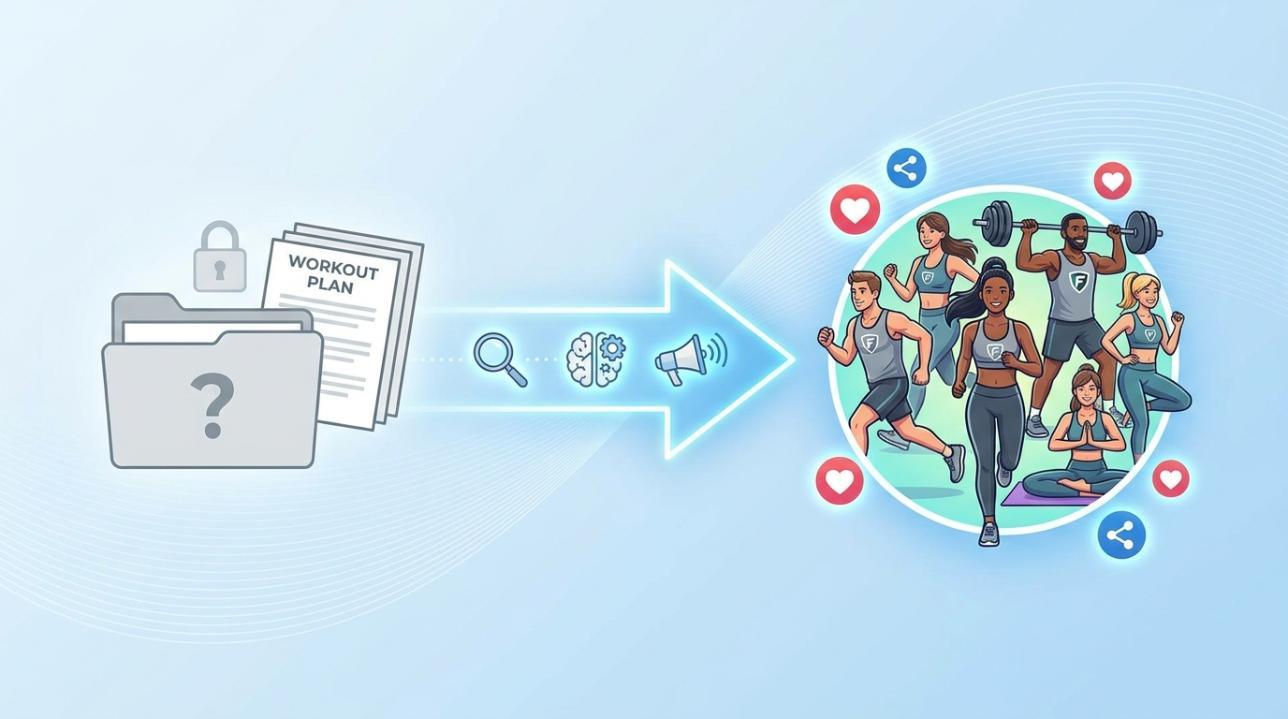
In the rapidly evolving digital health landscape, standing out requires more than just a sleek app interface; it demands a continuous flow of high-quality, engaging exercise media. SaaS providers, HR technology firms, and corporate wellness platforms are increasingly turning to external media licensing to solve the "content gap" that often leads to user churn. By leveraging professional-grade white label fitness content, companies can transform their platforms into comprehensive wellness ecosystems overnight, bypassing the heavy operational burdens of building an internal media studio.
Successful content marketing in the B2B wellness space isn’t just about having videos—it’s about how those videos are positioned, integrated, and optimized for your specific corporate or consumer audience. When you treat licensed media as a strategic asset rather than a commodity, you unlock the ability to target diverse user segments, drive measurable daily active usage (DAU), and build long-term trust with enterprise clients. This guide explores the secret tactics for effectively marketing licensed video assets to maximize both platform adoption and business revenue.
Positioning Content as a Scalable Enterprise Solution
Marketing wellness media effectively starts with how you frame the value proposition to your stakeholders and clients. For many HR leaders, fitness content is often viewed as a "nice-to-have" add-on. Your marketing strategy must shift this perception by highlighting content as a critical driver of employee productivity, mental resilience, and reduced absenteeism. Instead of promoting "videos," promote "targeted wellness solutions" that address the specific pain points of the modern workforce, such as sedentary work habits and burnout.
By curating focused channels—such as "Desk-Bound Recovery" or "Afternoon Energy Resets"—you demonstrate to procurement teams that your platform is a proactive tool for organizational health. This strategic positioning makes your software indispensable during contract renewals. When you show that your library is not just a collection of random workouts, but a structured resource designed to support employees throughout their entire workday, you elevate your product from a standard app to a vital corporate benefit.
Market Differentiation: Curated Library vs. Generic Media
To win enterprise contracts, you must demonstrate how your content strategy is engineered for specific user outcomes rather than general entertainment.
| Strategy Component | Generic Media Approach | Strategic Curated Approach |
|---|---|---|
| Targeting | Broad, one-size-fits-all exercise. | Segmented (e.g., Remote, On-site, Desk-bound). |
| Value Prop | Quantity of video files. | Clinical outcomes and workforce health. |
| Integration | Standalone video gallery. | Contextual triggers (e.g., Break reminders). |
| Analytics | Total views only. | Completion rates by employee department. |
Leveraging Diversity to Prevent Catalog Fatigue
A primary tactic for retaining users is maintaining a "living library" that evolves with their fitness journey. One of the biggest mistakes platforms make is a "set it and forget it" content strategy. When users log in and see the same outdated workout videos month after month, engagement plummets. To combat this, successful platforms implement a rotational content calendar that highlights seasonal themes, new wellness challenges, and trending recovery modalities.
Accessing a comprehensive fitness and wellness video library B2B allows you to perform these refreshes without the need for additional production cycles. By systematically rotating featured content on your dashboard, you keep the user experience feeling fresh and dynamic. Use email marketing or in-app push notifications to "drop" new categories of videos, treating your library updates like an episodic content series. This creates anticipation and gives your marketing team a consistent reason to re-engage dormant users.
Optimizing Discovery Through Intelligent UX Design
Even the best video content is ineffective if users cannot find it. Marketing your media assets requires a seamless intersection of UX design and content discoverability. Use metadata-driven filtering to allow users to sort content by duration, intensity level, equipment availability, and physical goal. When users can find a 5-minute movement break during their busiest work hours, they are significantly more likely to form a habit of using your platform.
Furthermore, consider implementing "smart recommendations" based on user history. If a user consistently completes morning yoga sessions, use your platform’s recommendation engine to suggest similar low-impact flows or mindfulness exercises. By reducing the friction between the user's intent and the content they consume, you increase session duration and overall platform satisfaction. Your marketing should emphasize this "personalization-at-scale," proving that your platform intuitively understands and supports the individual needs of every employee.
Winning HR Procurement with Inclusive Programming
Corporate HR teams have a duty of care to ensure that wellness solutions are accessible and inclusive for all employees, regardless of age, fitness level, or physical ability. Marketing strategies that focus solely on high-intensity athletics will fail to capture the interest of the wider workforce. Instead, emphasize the accessibility of your library. Highlight that your platform offers low-impact, adaptive movements and ergonomic guidance, ensuring that the "non-athlete" feels just as welcome as the fitness enthusiast.
When selling to enterprise accounts, provide HR leads with content summaries that map your video categories to their internal wellness goals. For instance, map "Guided Mindfulness" to their stress-reduction initiatives, and "Postural Correction" to their workplace safety and ergonomic compliance programs. By speaking the language of HR procurement, you demonstrate that your platform is an aligned partner in their broader corporate health strategy, rather than just a third-party software vendor.
Driving Engagement via Contextual Trigger Marketing
The most successful B2B wellness platforms do not wait for the user to search for content; they bring the right content to the user at the right time. Contextual marketing—delivering specific video modules based on user behavior or time of day—is a powerful driver of daily active usage. For example, integrate subtle reminders in your desktop app that prompt users to take a "2-minute neck relief stretch" if they have been active on their computer for three consecutive hours.
Integrating versatile white label fitness wellness content allows you to map specific video tags to these automated triggers. By automating the delivery of content based on these contextual nudges, you turn your wellness library into an active participant in the user's workday. This proactive approach to content delivery significantly increases engagement metrics, providing the hard data that HR managers need to justify their ongoing investment in your platform.
Calculating ROI to Secure Long-Term Partnerships
To scale your B2B footprint, you must be able to prove that your wellness content drives tangible business value. Your marketing and customer success teams should collaborate to provide quarterly business reviews (QBRs) that connect video engagement metrics to organizational health outcomes. When you show a client that their employees are using the platform to manage stress and improve physical health, the cost of the subscription is reframed as a high-return investment in human capital.
Use your analytics to highlight "power users" and aggregate engagement trends across different departments. This data-driven marketing proves your platform’s effectiveness and helps HR leaders secure the internal buy-in necessary for multi-year renewals. When you treat your content as a performance-linked asset, you move away from being a "vendor" and become a strategic partner in their enterprise success, insulating your business from budget cuts and increasing your total contract value.
Frequently Asked Questions (FAQs)
1. Why is white label fitness content better for B2B than custom production?
Licensing professional content allows your platform to launch with thousands of videos instantly, eliminating the massive capital expenditure, long lead times, and operational risks associated with building an in-house studio.
2. How do I maintain brand consistency with licensed video assets?
By using high-quality, unbranded video files, you retain full control over the player interface, overlay elements, and color themes, ensuring the content feels like an integrated, native feature of your own brand.
3. How can I keep my wellness library engaging over time?
Implement a rotational content strategy where new categories are "dropped" periodically, and use data-driven recommendations to surface relevant content based on individual user activity levels and preferences.
4. Is licensed fitness content inclusive enough for a global workforce?
Yes. Premium libraries provide diverse modalities—including ergonomics, meditation, and low-impact mobility—that cater to all fitness levels, ages, and physical abilities, making them ideal for large, heterogeneous enterprise teams.
Conclusion: Scaling Through Strategic Content Curation
Winning in the B2B wellness market is a matter of strategic curation and effective communication. By positioning your platform as an inclusive, data-driven wellness ecosystem—rather than just a video repository—you capture the interest of HR leaders and drive sustained employee engagement. With a robust library of licensed media, you gain the agility to scale your offerings, respond to user feedback in real time, and build a lasting competitive advantage. To transform your software into a market-leading health portal, start by auditing your current media strategy and identifying how you can better align your content delivery with the daily needs of the modern workforce.

 Arabic
 French
 Spanish
 Portuguese
 Deutsch
 Turkish
 Dutch
Dutch
 Italiano
 Russian
 Romaian
 Portuguese (Brazil)
 Greek
Greek
 Bengali