


Indoor vs. Outdoor LED Screens: Which Display Is Right for Your Business?
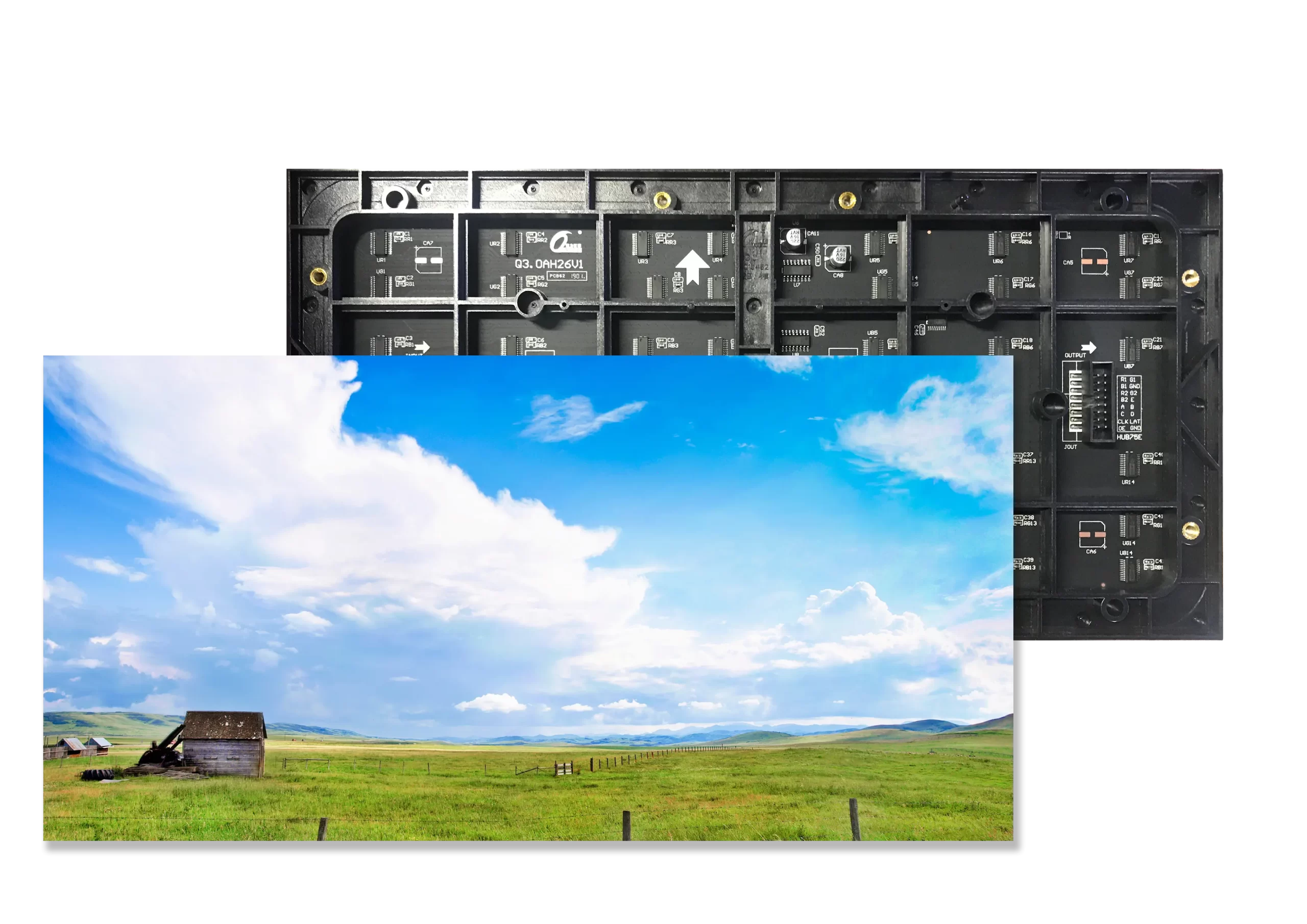
LED display technology has transformed the way businesses advertise, communicate, and engage with their audiences. From shopping malls and retail stores to roadside billboards and commercial buildings, LED screens provide an eye-catching way to deliver dynamic content.
However, not every LED display is designed for the same environment. One of the most important decisions when purchasing an LED screen is choosing between an indoor and outdoor solution.
Understanding the differences between indoor and outdoor LED screens can help businesses select the right display for their location, audience, and marketing objectives.
What Are Indoor LED Screens?
Indoor LED screens are designed for controlled environments where the display is protected from direct sunlight, rain, dust, and extreme weather conditions.
These screens are commonly used in:
-
Shopping malls
-
Retail stores
-
Corporate offices
-
Conference rooms
-
Hotels
-
Restaurants
-
Event venues
-
Educational institutions
-
Indoor advertising spaces
Indoor environments typically allow businesses to use displays with finer pixel pitches because viewers are often positioned closer to the screen. High-resolution LED displays can provide detailed images, videos, presentations, and promotional content.
For businesses looking for a high-quality visual experience in an indoor environment, an indoor LED display solution can be an effective option.
What Are Outdoor LED Screens?
Outdoor LED screens are designed for environments where the display is exposed to changing weather and lighting conditions.
They can be used for:
-
Digital billboards
-
Roadside advertising
-
Building signage
-
Outdoor events
-
Stadiums
-
Commercial plazas
-
Construction sites
-
Large-scale promotional campaigns
Outdoor displays typically require higher brightness levels to remain visible in daylight. They also need appropriate protection against environmental factors such as moisture and dust.
For businesses planning large-scale advertising campaigns, outdoor LED screens can provide excellent visibility and help brands reach audiences in high-traffic locations.
The Importance of Viewing Distance
Viewing distance is one of the most important factors when selecting an LED screen.
Indoor displays are often installed in locations where customers are only a few meters away. Because of this, smaller pixel pitches may be preferred to provide sharper and more detailed visuals.
Outdoor screens are generally viewed from a greater distance. In these situations, larger pixel pitches may provide an effective balance between image quality, screen size, and investment.
Before selecting a display, businesses should determine the minimum and maximum viewing distances from the screen.
Brightness Requirements
Lighting conditions can significantly affect the visibility of an LED display.
Indoor environments generally have controlled lighting, so displays do not always require extremely high brightness levels. Excessive brightness in an indoor environment can even make the screen uncomfortable to view.
Outdoor displays, however, need to compete with natural daylight. Higher brightness levels can help ensure that advertisements, videos, and messages remain visible throughout the day.
Choosing the right brightness level is therefore essential for creating a clear and effective viewing experience.
Weather Protection for Outdoor Displays
Outdoor LED screens need to be designed for challenging environmental conditions. Depending on the installation location, displays may be exposed to rain, humidity, dust, wind, and temperature changes.
Businesses should consider the environmental protection and durability of an outdoor display before installation.
Professional installation is also important. Correct mounting, electrical connections, ventilation, and maintenance can all contribute to the long-term performance of the screen.
Content and Advertising Goals
The type of content you plan to display should also influence your decision.
Indoor LED screens may be ideal for:
-
Product presentations
-
Corporate videos
-
Detailed graphics
-
Presentations
-
Retail promotions
-
Event content
Outdoor LED screens may be better suited to:
-
Brand advertisements
-
Promotional campaigns
-
Public announcements
-
Digital billboard content
-
Event promotions
-
Large-scale marketing messages
Businesses should choose a screen that can effectively communicate their content to the intended audience.
Indoor vs. Outdoor LED Screens: Key Differences
Although both types of displays use LED technology, their applications and specifications can differ significantly.
Indoor LED screens are generally designed for controlled environments, closer viewing distances, and high-resolution visual experiences.
Outdoor LED screens are designed for greater visibility, longer viewing distances, higher brightness, and more demanding environmental conditions.
Neither option is universally better. The right choice depends entirely on where and how the screen will be used.
Choosing the Right LED Display
When selecting an LED display, businesses should consider several questions:
-
Where will the screen be installed?
-
How far away will viewers be?
-
Will the screen be exposed to direct sunlight?
-
Is the display exposed to rain or dust?
-
What type of content will be shown?
-
How large should the screen be?
-
What level of image detail is required?
-
How frequently will the content be updated?
Answering these questions can help businesses narrow down their options and select a more suitable solution.
Professional LED Display Solutions
Selecting an LED screen is only the first step. Professional consultation and installation can help ensure that the display is properly configured for its intended environment.
PAK SMD SCREEN provides LED display and SMD screen solutions for a variety of commercial and advertising applications. From indoor LED displays and video walls to outdoor digital billboards and digital signage, businesses can explore different options based on their specific requirements.
The company also provides support related to installation, maintenance, and after-sales service, helping businesses manage their digital display investments more effectively.
Conclusion
Indoor and outdoor LED screens serve different purposes, and choosing the right option can have a major impact on visibility and performance.
Indoor displays are ideal for controlled environments where viewers are relatively close, while outdoor screens are designed for greater visibility and more demanding conditions.
By considering viewing distance, brightness, weather exposure, pixel pitch, screen size, and content requirements, businesses can choose an LED display that supports their advertising and communication goals.
With the right LED technology and professional installation, businesses can create a powerful digital presence that attracts attention and delivers engaging content to their target audience.

 Arabic
 French
 Spanish
 Portuguese
 Deutsch
 Turkish
 Dutch
Dutch
 Italiano
 Russian
 Romaian
 Portuguese (Brazil)
 Greek
Greek
 Bengali